
ep55
Nik Kozub is just lucky
Listen
About this episode
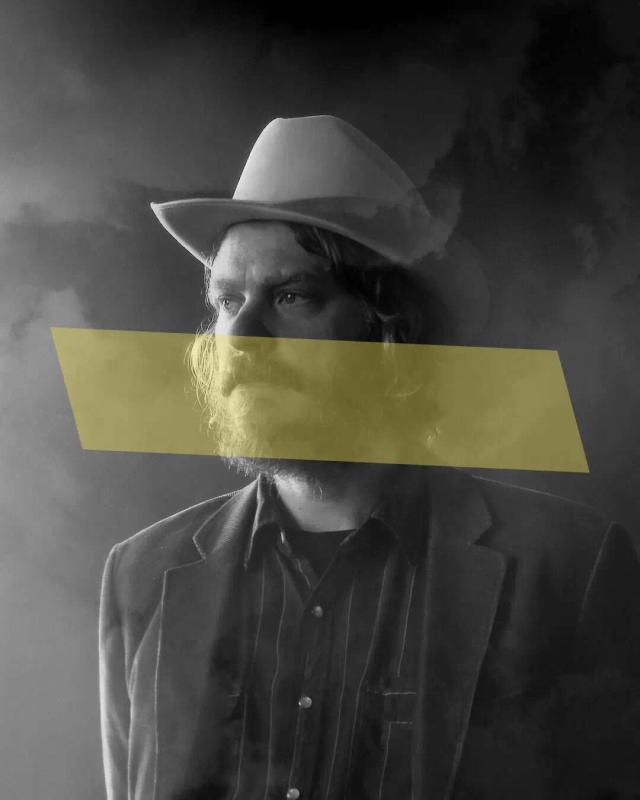
Nik Kozub has worn nearly every hat across the Canadian music industry: punk bassist, tour sound engineer, multi-instrumentalist for Veal, and co-founder of the Juno-nominated electronic-rock outfit Shout Out Out Out Out. Rather than migrating to major industry hubs, Nik anchored his craft in Edmonton, launching the indie imprint Normals Welcome, cutting tracks on analog tape, and engineering records from the ground up.
Our conversation unpacks the grind behind independent music production and the harsh financial realities of mid-2000s touring. We break down the evolution of audio formats - from vinyl and CDs to the iTunes crash - and why true career longevity often demands diversification. Today, as an audio mastering engineer finalizing hundreds of releases annually and working as a craft brewer, Nik reflects on community, self-reliance, and why the DIY ethos remains the ultimate foundation for sustainable artistic survival.
Show notes
showhide
From all-ages punk basements and touring North America with Captain Tractor to Juno nominations with dance-punk trailblazers Shout Out Out Out Out, Nik Kozub built a relentless, DIY music career entirely on his own terms. We dig into the stark realities of independent touring, the shift from analog tape to digital streaming, navigating major-label distribution deals, and how mastering hundreds of records a year - alongside craft brewing - became his most sustainable creative outlet.
Key Topics
- A DIY start in Edmonton: Kozub describes growing up around music, organizing all-ages punk shows, making a zine, and finding his way into recording.
- From Veal to Shout Out Out Out Out: He recounts a near-breakthrough with Veal and how an unexpected soundtrack project led to forming an inventive electronic band.
- The realities of a music career: Kozub and Erickson discuss touring costs, changing music formats, industry signals, and the difference between recognition and personal measures of success.
- Building a career on his own terms: Kozub traces how recording, electronic music, brewing, and mastering grew from a DIY approach—and why Edmonton’s supportive scene mattered.
Keywords
Nik Kozub, Glen Erickson, Alexi, Edmonton music scene, DIY punk, independent music, music production, recording engineer, mastering engineer, electronic music, Shout Out Out Out Out, Veal, Captain Tractor, Normal’s Welcome, The Lackeys, Systematics, The Cleats, Juno nomination, Mass Effect soundtrack, Six Shooter Records, Edmonton, Alberta, Toronto, Vancouver, Victoria, Portland, New York, London, UK, Germany, New Zealand, Montreal, Saskatchewan
ep55 Nik Kozub is just lucky
released Nov 12, 2026
1:34:43
https://nikkozub.com/
https://www.instagram.com/nikseven
https://www.shoutoutoutoutout.com/
hosts: Glen Erickson, Alexi Erickson
https://www.almostfamousenough.com
https://www.instagram.com/almostfamousenough
https://open.spotify.com/playlist/1o1PRD2X0i3Otmpn8vi2zP
Almost Famous Enough is a series of conversations centered around the music industry, pulling back the veil on what it really means to “make it”. Our podcast features guests who know the grind, who have lived the dream, or at the very least, chased the dream. Through these conversational biographies, truth and vulnerability provide more than a topical roadmap or compile some career advice; they can appeal to the dreamer in us all, with stories that can teach us, inspire us, and even reconcile us, and make us feel like we made a new friend along the way.
Chapters
00:00:00 Introduction
00:04:41 Welcomes, and the Music Scene
00:15:03 Nik’s Musical Upbringing
00:22:23 Choosing Recording and Production
00:26:24 Touring with Captain Tractor
00:32:12 Joining Veal and Almost Breaking Through
00:37:01 Making a Living in Music
00:42:13 Networking and Finding Your Place
00:46:19 Staying in Edmonton and Going Electronic
00:49:46 The Origin of Shout Out Out Out Out
00:59:00 The Band’s Chemistry and Growing Reach
01:03:25 Building a Label and Touring
01:08:30 Changing Music Formats and Mass Effect
01:16:49 Success, Expectations, and Doubt
01:24:05 Recording, Brewing, and the Pandemic
01:33:04 Mastering at Scale
01:40:24 DIY and Edmonton’s Music Community
01:48:33 Post-Fame with Alexi
Transcript
showhide
**ep55 Nik Kozub is just lucky**
Glen Erickson (00:00) It was the summer after grade nine when I got my first job. Well, my f first real job. That wasn't a paper route kind of real job. And I was suddenly in the reality of riding my BMX bike on the weekends to Luigi's Pasta House to wash dishes for eight hours a day. I had actually bought a lot of cool stuff with that paper out, just so you know, and I was excited now about air quotes real money, but not excited about joining the working class instead of an indulgent summer break.
I think it was two, maybe three weeks. It was probably more, but
all of that enduring hours of repetitively standing in the hot steam and the smell of Alfredo sauce getting melted off plates. When the kitchen manager guy asked if I would come in on Sunday morning and help him with brunch. I had to clear this with my ultra-religious parents, of course, but with a surprising green light, I was on my BMX really early the next day to a new adventure. I was put through the riggers.
Ultra multitasking of 10 or 12 brunch items that all needed to be cooking at once at scale, but arrive at the same time on the serving line hot and ready. Crazy. Even crazier was showing up the next week to no kitchen manager, just me. Like a lost boy, I was seeking out any staff who could help me find out when he was arriving. He didn't arrive. Eventually I was told to get started.
The patrons of Luigi's were treated that day to a 14-year-old kid's version of brunch. The attempt to remember how to keep liters of scrambled eggs going with the bacon, sausage, hash browns, toast, croissants, turnovers, etc., etc. But I did it.
And I came back the next week and the next week and never saw the kitchen manager again. It was just me.
And I had the moment that many of us, I think, can relate to the moment when that deeply unsettled feeling in your gut connects with your head to confirm that nobody is coming to save me.
Nobody is coming to save me.
And I've had that feeling since. Not the more colloquial version of air quote thrown in the deep end. I've had that lots. It's wrapped in, you know, the context of how deep the metaphorical pool is. Why the push? Who pushed you? It happens.
I'm talking about the moment when the stakes are raised for you, for others who depend on you.
And you don't feel prepared or qualified or confident at the least, but there is nobody coming to save you.
All those sentiments don't matter. You only have a choice about what you do when nobody is coming to do it for you.
In the music industry, this is rampant.
You work so hard.
And you sacrifice so much hoping to get signed to a label, to get an agent, to get a manager. And at some point,
you might realize that your choice to keep going is based on accepting that nobody is coming to your aid.
Nik Kozub is what I would consider a cornerstone of a scene, local scene and wider. He was born out of a household where his dad was a pioneer in DIY. Do it yourself. DIY essentially being the entire movement.
Defined by the choice to keep going when nobody is going to step in to help.
He got started with the band Veal, Luke Deset's first breakout group, and he was exposed to the grit and grind of the touring to survive,
eventually founding the groundbreaking electronic dance punk outfit Shout Out Out Out Out.
Now he says he kind of regretted the name. That's crazy. It's so cool.
Shoutouts saw the world even more, cut paths into licensing with gaming, and saw big rewards, not to mention a Juno nomination
for such an outside the box band.
All the while, Nik was putting together a career in music, production, mixing, and now mastering, which he does at a ridiculous scale to artists from all over the world.
And Normal's Welcome, a record label dedicated to vinyl for indie electronic music. DIY to the core.
And by his own admission and with a laugh, lucky, I guess. I think luck is for the ones who get saved. DIY is for the ones who refuse to drown when no lifeguard is coming into the deep end.
My name is Glen Erickson. This is almost famous enough. Thanks for spending your time with us. This
is Nik Kozub
Glen Erickson (04:41) The you may hate to hear this in your position, but the AI is really good at mixing.
Nik (04:47) Come on, man.
Glen Erickson (04:51) It does a lot. It saves me a lot by doing a good job. Uh yeah,
Nik (04:55) Yeah, right. Okay.
Glen Erickson (04:57) yeah. welcome Nick to the podcast, bud.
Nik (05:00) Hey,
thanks. Yeah, I'm I'm excited to be here. I I'm a fan. I listen
Glen Erickson (05:05) Oh wow.
Nik (05:06) I listen to all my friends on your podcast.
Glen Erickson (05:09) Yeah, I've I've probably
exhausted a good list of of your friends already on this thing. yeah, but I appreciate it. I Yeah yeah, it was funny because I had I had had you in mind. And you know how you know you've been in this biz in all so many ways, right? So like the curating of things is like has like this weird
the what's I've there's a certain word that they use for it. But when someone's a promoter or booker, right, they they end up getting really uptight about the geography thing of if somebody has played a show in a close enough range, proximity
Nik (05:44) yeah, the the pr the proximity clause.
Glen Erickson (05:47) is clause. That's the word I'm looking for. yeah, the proximity clause,
Nik (05:49) Yeah,
Glen Erickson (05:50) right? Of like you can't book somebody right after they've done a show or if a thing or whatever. And so
The version of Proximity Clause for me was like, I had Lyle Bell on and
Nik (06:02) Yeah.
Glen Erickson (06:03) and then I had you in mind and I was like, there's so much overlap in that history. You know what I mean? And sort of that same vehicle
Nik (06:10) Yeah, you don't you don't want just the same story. Yeah, exactly. Yeah.
Glen Erickson (06:13) I didn't expect same stories. I think just in the curation of the whole thing and what guests look like, I'm like, how much time do I put between
Two people that had sort of very similar like trajectories through my local scene, right? Like, um, and that may sound really stupid to a lot of people listening, but for some reason it felt
Nik (06:34) It makes sense to me, yeah.
Glen Erickson (06:36) it felt important. Um and then uh yeah, and then I ran into you this summer and you were so nice to me telling me that you had listened, and I maybe it's a good thing.
after like three seasons and forty eight episodes that I was still shocked that one of one of my
Nik (06:53) Yeah, that's g that is a good thing.
Glen Erickson (06:55) friends one of my friends was listening. So that's pretty great. I appreciate that very much, by the way.
Nik (06:59) Yeah,
man, yeah, you've had some really nice, uh interesting conversations. I'd love hearing people's perspective on, you know, what their feelings and what
Glen Erickson (07:08) Yeah.
Nik (07:09) they've gone through in a similar kind of career tra trajectory I've had or whatever, you know.
Glen Erickson (07:14) Yeah, yeah. And I think maybe you and I had talked about Eamon a little bit. Is that who we talked about a little bit? Like, yeah, 'cause
Nik (07:19) Yeah. maybe, yeah. But
like Eamon the Eamon's episode was great. I really like Chris Winter's episode as well and Lyle's and yeah, like um just
Glen Erickson (07:28) Yeah.
Nik (07:28) because I I I was there for a lot of the stuff that they talked about. So yeah, it's interesting. Yeah. Yeah.
Glen Erickson (07:32) Yeah, that's exactly it, right? It's your own
uh you're getting you're getting a picture filled in from way back that maybe you didn't have
Nik (07:40) Yeah, it's interesting.
Glen Erickson (07:42) that that little bit to fill in in here and there. Um
Nik (07:45) Mm-hmm.
Glen Erickson (07:45) which I think it, you know, honestly admitting is part of the fun for me, right? Is like I also cross paths with these guys or heard the lore of some people's stories. So when people start filling them in, um I really enjoy that.
Nik (08:01) Yeah. Yeah, me too.
Glen Erickson (08:01) That part of it as well, and
kind of it just broadens the thing for me at this point. And um and to be honest, like sometimes I'm like I've had moments, I don't know if you've ever encountered this now, like because you know, we're getting older, that I'm like, I wish I had heard some of this stuff before. Like when you hear more perspective, it
Nik (08:21) Yeah.
Glen Erickson (08:21) builds empathy for what was going on that maybe I lacked
Nik (08:24) Yeah, it's true.
Glen Erickson (08:26) at the time for people.
Nik (08:28) Yeah.
I mean at the same time maybe that like blind exuberance is what made it happen. And if you had known better you wouldn't you know, we wouldn't have gone through it. I don't know.
Glen Erickson (08:40) No, I well, I mean, we're laughing about it, but l y I think you and I both know that's exactly it. Like, um
Nik (08:45) Yeah.
Glen Erickson (08:46) there's a reason most people start this in their teen and twenties. you know, because you just have this exact what you call blind exuberance that you have this energy and belief and hope and stuff to just plow through all the things that make the average person not persist.
Nik (09:04) Mm-hmm. Yeah.
Glen Erickson (09:05) And persistence is everything, right? I don't know I mean I've I didn't actually know where you and I were gonna start today, but I um let me ask you let me ask you a question about this because you've seen a lot and you've like touched so many different aspects of the business. So you see people in a lot of different ways or and I've kind of had this long standing belief around like that.
like persistence is the thing that leads to success more so than like talent, like God given talent if you want to call it that. Like more than like education and information and knowledge. I sometimes feel that just
the will to like persist and and continue is actually has a greater ratio of success than all the other things by themselves. I don't know how what are your thoughts on the mix of how people get there?
Nik (09:59) I think
I mean I think persistence is important and I think that um I mean there are so many artists who become overnight successes that have actually been working out there overnight for ten plus years, you know? It's not actually overnight
Glen Erickson (10:15) Yeah.
Nik (10:16) at all, it's just that that's when people became aware of them. But I I think that uh I think that really you just have to be good.
And you have to be genuine. And I think that the consumer, the listener, whoever can really I mean to use the term that the the clash used, I think that everyone's bullshit detector is pretty finely tuned. And I think that they can tell who is actually good and who's really real and uh and people latch onto that and those people tend to be more successful, either that or you throw a lot of money at it and you throw a lot of market.
marketing at it. but that those careers don't necessarily have longevity. It's kind of the people that are are actually really good and actually really real that seem to do well to me.
Glen Erickson (11:07) Yeah.
Nik (11:08) And and then yeah, persistence will allow you to keep going and have multiple records that do well and then have, you know, keep being able to tour if that's what you want to do and that kind of thing. Yeah.
Glen Erickson (11:18) Yeah. Yeah.
Yeah, I think maybe I came at it from an angle, right? Of you know, I've seen less talented people persist and more often get longevity than I've seen a lot more very talented people never really stick to it and land. Do you know what I mean? Or who seem like they're really talented, but
Talent
Nik (11:41) T.
Glen Erickson (11:41) just doesn't seem to like carry you the way just plain old grit and determination does in the business.
Nik (11:48) Yeah. I th I guess I guess what
what we're saying then is it's gotta be a combo of those things. You know? Yeah. Let's go for both. Yeah.
Glen Erickson (11:54) Yeah, I mean the c the combo sounds like a winning yeah, a definite winning winning bit of yeah. Uh
and when we've run into those people, we're just like, holy shit, like get out of the way, right? Like a way they're on their way. Yeah.
Nik (12:05) Absolutely, yeah. Yeah.
Glen Erickson (12:07) And it's always exciting when you meet people like that. Okay, well then let me just uh close off that little question with the another question, as long in the tooth people in this business. Um
Are you seeing some new people that you actually are like, oh like these people are like uh really good, really talented and they seem
Nik (12:29) Oh yeah.
Glen Erickson (12:30) to know they seem to know what they're doing to maybe like their career, like you're waiting for their career to maybe take off.
Nik (12:37) Yeah, I mean
I'll I'll shout out one local project right away that is kind of a combination of the two things we're saying. Actually probably is a good example of the persistence you talked with, although it's not necessarily with one project, but those uh guys Homefront from Edmonton, they've they've been at it in various bands for decades. Um, but their band is fairly new and they are very good and they have that persistence that like, you know, in their
The two main guys are in their forties and have been at it for since they were teenagers, but this is the one that sort of kicked off of them. And now they're they're really like they're they're touring the world, playing some of the biggest festivals for their genre, um, selling lots of records,
Glen Erickson (13:21) Yeah.
Nik (13:22) uh, like lots of physical records, and they have like real acclaim. and it it does, yeah, it feels really genuine and also that persistence part is there. Like, I don't know how
I don't know how those guys uh still have the energy to be touring, honestly. I know I don't. Yeah. Yeah.
Glen Erickson (13:39) Yeah, that's the biggest that's the biggest part of the energy
game. For sure. I mean, that's pretty great shout-out. I mean, uh tongue-in-cheek shout-out. Um, kind of when you talk about, you know, the uh like one half of that is Clint, right? Clint Frasier. Yeah, who's like
Nik (13:54) Yeah, Clint Frazier. The other half is um
Graham McKinnon who uh previously was in the bands Wednesday Night Heroes and No Problem. So, yeah, playing in punk bands since the uh since the nineties anyway. Yeah, yeah.
Glen Erickson (14:08) Yeah, like wild.
Okay, so so Nick calls up. go ahead.
Nik (14:12) And I I I I would also
say, sorry, in terms of like new stuff, that is exciting to me and I think that there's
young, exciting new acts. In my role as a mastering engineer, I would I would say when we'll I'm sure we're gonna talk about this a bit later, but I would say that the vast majority of the music that I get to work on, and I'm lucky in this sense, but the vast majority of what I work on is very good music and I like all of it. So
I feel pretty good about the state of music in general.
Glen Erickson (14:39) Yeah. Well that's cool.
And job satisfaction, because if it wasn't, that would be a hard job to do if it was just if it was just shit in
Nik (14:44) And job satisfaction, yeah. Yeah, for sure. Yeah. Yeah. Anyway, that's
Glen Erickson (14:49) your ears the whole time.
okay, so we referenced, you know, a bandmate of yours who's been, you know, and a couple of people who've been playing, you know, since they were teenagers, seventeen. So
Nik (15:00) Yeah.
Glen Erickson (15:01) I wanna kind of
go all the way back 'cause I don't know a lot about like we've known each other a really long time, but um I don't know your whole history. You know? Well, I mean, in
Nik (15:08) You Sure. You want the life story?
Glen Erickson (15:14) a in a capsule, I mean you've listened to a few episodes, you know I like to go back and to the start, so I I like getting the arc. I mean, like
Nik (15:19) Yeah. I mean I li I I'm I'm happy to talk about that stuff. Yeah.
Glen Erickson (15:23) s to set the stage though, like so your career has been obviously as a performing musician, a recording,
Nik (15:31) Mm.
Glen Erickson (15:31) Musician, you've been behind the console as the producer, engineer, like those are different things. I don't think everybody always knows what the difference is. Like you just alluded to, you've taken on to the role of mastering, which I want to ask you later to give a good explanation. Cause I think it's amazing how many recording artists think that it's just a little magic thing that they send away and it comes they don't actually know what mastering is. you know, you've like
done a lot of this you've done like you've just worn so many of the hats in a in a professional manner, which I think is a fantastic perspective. And I I'd love to just sort of know how all of those unrul you know, unraveled for you and came about. But you start off here in the city and you kind of have in this city especially, like a pretty well rock and roll dad, well known rock and roll dad, uh of Wilf Kozab.
So you obviously have some musical influence around you know, and the and the first thing that I know of you entering the scene and I actually had to go talk to ask Chris Winters cause I I I had asked him about you
like being their sound person and them taking you out on tour and I just didn't know how young that it actually happened for you uh when you like joined up with those guys which was like right out of graduating or something from McEwan uh
Nik (16:57) Yeah, that's right.
Glen Erickson (16:57) in the city. So how did uh how did things start for you? Did you pick up that influence from your dad in the house? Were you playing instruments really early? Were you forming bands really early?
Nik (17:09) Um, so yeah, I did grow up in a musical household. My dad um made records, still makes records now, but started making records um in I guess early eighties was probably when his first record came out. but he was recording music before that. But my dad was kind of a a little bit of a pioneer of home recording in Edmonton. He's one of the first guys to have a studio in the garage kind of thing. Um
Glen Erickson (17:33) Mm.
Nik (17:35) and uh and a tape machine and all this stuff.
So I was always just kind of around it. Um and I was both my parents are into music and they would take me to see concerts. They took me to see stuff like like I saw Stevie Wonder and Diana Ross and all and David Bowie and all the stuff at a really young age, which
Glen Erickson (17:50) Mm-hmm.
Nik (17:51) had a huge impact on me. I started playing in bands. I'll skip the part where, you know, I was taking cello lessons and all the stuff, but like I started playing
Glen Erickson (18:01) Ha ha ha.
Nik (18:03) in bands in junior high.
I played my first gig when I was in seventh grade. I played at a a gig with some friends at a Doner shop, classic Edmonton move. Um
Glen Erickson (18:13) Wow, yeah.
Nik (18:14) yeah. And then um I would say the first sort of to me important band that I played in was when I was seventeen. I was heavily involved in the the like all ages punk scene. Um and that's where I started doing
stuff not just per playing in bands but also promoting shows and renting halls. As a as a teenager, I'd be renting community halls and renting a PA
Glen Erickson (18:38) Mm.
Nik (18:39) and setting it up and putting on these shows. Um and yeah I played in a band I was the the vocalist in a punk band called The Lackeys when I was 17. that'd be this is n this is nineteen nine nineteen ninety four uh specifically yeah
Glen Erickson (18:47) This is the nineties, right? Like somewhere Yeah, okay, yeah.
Nik (18:53) so in ninety four that was kind of like the first band that people liked.
And we put out a cassette demo tape that people liked and like we actually had you know, we're we're putting on
Glen Erickson (19:02) Yeah.
Nik (19:03) shows, but we were getting shows and we had a following. from there I joined another band uh as a bass player called the Systematics. And at that young age, um, and actually still to this day, I would say, to me, um being part of being like a real band was having
physical product released and vinyl especially.
Glen Erickson (19:26) Yeah.
Nik (19:27) Like to me like a record wasn't like real unless it was a vinyl release. So Systematic was the first band that I released uh an LP with. We went to Victoria and recorded there. That was also kind of a thing as a young kid. Like, yeah, we're gonna go record with this like known punk producer in Victoria.
Glen Erickson (19:45) Like
find the producer and go to their studio wherever it is, right? Yeah.
Nik (19:48) Yeah, exactly. Yeah. And
so we did that. And that record came out on uh an American label, which is also kind of a feather in the cap. So we so we, you know, and at this point
Glen Erickson (19:57) Yeah, for sure.
Nik (19:59) I was 18 at that point. So I w like I know when we went and made that record in BC, I was still underage in BC. So I was 18 when we did that. Um that record came out. Um and then I started another band, another punk band here called the Cleats.
And that band also sort of had uh you know, a small but loyal local following and then also released on a label from Vancouver called Long Shot, as well as a label in Germany called Blind Beggar. So they did uh the we did a vinyl release with the German l label and a C D release with a Canadian label. And yeah, that would be like when I was in my early twenties, I guess.
So that's sort like the early band history. Um when I was playing in all these bands and sort of like when I graduated from high school, I realized that like I wanted to work in music. I did wasn't interested in anything other than music. I'll take this one step back. Another thing I did when in those early years, I also
Glen Erickson (20:59) Mm-hmm.
Nik (21:00) uh published a music zine that was like a printed newsprint zine where I was soliciting ads.
And actually contacting record labels in the US and getting them to buy advertising and stuff like that. So another my another little piece of my
Glen Erickson (21:11) Yeah. Well that that
that like completes the genome right there at Nick because there's like there's all the people who just pick up an instrument and they just want to be in a band, right? And then
Nik (21:21) Yeah.
Glen Erickson (21:22) there's always the one kid who like also figures out how to book the halls and rent the sound and
Nik (21:29) Yeah.
Glen Erickson (21:29) also produces a zine and plays in the bands. So you just completed it. You're that kid for sure. Yeah.
Nik (21:31) Yeah. I was that guy for sure. Yeah. Yeah. Yeah.
And and like I was saying about how to me having like the physical vinyl release was like a hallmark of a real band. To me
Glen Erickson (21:42) Mm-hmm.
Nik (21:43) also I always from day one, like way back then, um, and again through my whole career in music, I've never thought strictly locally. I've always thought about the big chip picture of the market being the world.
And trying to get my
Glen Erickson (21:59) Yeah.
Nik (21:59) music in other markets, like I said, like releasing records in Germany when I'm 18 years old, that kind of thing. You know, like it was always about this global reach from day one. And same with the magazine, like I was all the um labels and stuff I was soliciting for advertising. I, you know,
Glen Erickson (22:14) Yeah.
Nik (22:14) I was also hitting up local record stores and stuff, but I was doing international stuff at a really young age. but anyway, I uh I knew that I only wanted to work in music. That was all I was interested in.
And I also was self aware enough to know that I was playing in punk bands and I I didn't feel like I was gonna ever like make it as a musician. Like that wasn't like like to me, that was I I just knew that wasn't gonna happen at that point. So I decided that I wanted I had an interest in recording. whenever I recorded with the bands I was in, I found that really interesting. I loved being in my dad's home studio, all that kind of stuff. So I decided to go to Me Q and
in the music program and major in recording. So I did that. I went to I went to McUn and uh the first year was like in the first year you you have to take a principal instrument. You have to go in as a musician. You don't choose your major until after your first year. And the first year
Glen Erickson (23:09) no.
Nik (23:09) was like a frickin' slog for me 'cause I'm like, you know, this punk kid trying to play jazz. It's a jazz school. It really is. So I'm like trying
Glen Erickson (23:16) Yeah.
Nik (23:17) to like read charts and play jazz and keep up and and run scales and
Glen Erickson (23:19) As a bass player?
Nik (23:21) As a bass player, yeah. And
Glen Erickson (23:22) Okay, well this
is a visual for the podcast, so I apologize to everybody, but like the joke among so many of my friends was you could identify a Mecuan grad because and then we would just do this, which is playing the bass like s like if you imagine Paul
Nik (23:33) Yeah, yeah, totally. Yeah. Yeah. Super high.
Glen Erickson (23:38) Rudd slapping the bass in that movie where his fingers are just moving up around his like just around his collarbone.
Nik (23:40) Yeah, yeah, exactly. Mm-hmm.
Glen Erickson (23:44) Anyhow, people who play their bass and wear it that high were like
Nik (23:48) Right.
Glen Erickson (23:48) McEwan
Nik (23:48) So
Glen Erickson (23:49) students, which like you said, jazz all so jazzy. It's fun. uh
Nik (23:52) Yeah, so for me to adapt to that was like a bit of a stretch. And
like uh somehow I made it through that first year. And then in my second year in the actual recording program, I was absolutely thriving. I did really, really well on that in that program.
Glen Erickson (24:04) Yeah.
Nik (24:05) at that time at McEwen, the studio didn't even have a computer in it at all. It was an all analog studio. It was a one inch
Glen Erickson (24:12) Mm.
Nik (24:13) a one inch sixteen track tape machine. So I was trained entirely, originally trained entirely on tape.
I remember for uh my final project in the program, they this the college had just gotten a singular one CD burner that was on a different floor from the studio in a computer lab. I remember I got like
Glen Erickson (24:37) Yeah.
Nik (24:38) I got like big brownie points because I was the first person in the in the whole school to burn a CD and I handed in a project on C D.
That was like a big deal. And now that format's dead. Oh my God.
Glen Erickson (24:47) That's amazing. That is yeah. Yeah.
Nik (24:52) so uh anyway, I I I I really took advantage of studio time when I was there. You got to book studio time as a student, and I recorded like my band there and a bunch of other bands, and like I was doing a ton of recording on tape um at the McEwan studio right from while I was still there. when I graduated from McEwen.
I uh
I started doing home recordings uh out of my parents' house, like renting gear and uh and using my my dad's eight track uh tape machine and then also eventually actually fairly early on um getting an early version of Pro Tools and starting digital recording and and recording bands at my folks place. I realized pretty quickly that a job in a studio isn't actually a thing. studios don't hire
For the most part, it's really about freelance work and and bringing your own
Glen Erickson (25:45) Yeah.
Nik (25:46) clients into studios, renting studios. So I was doing some of that too. I was renting studios out and taking clients in there. Um and then also doing my first my first like actual like job out of uh college was I got hired. the the the guy who ran the recording program at the time, Colin Lay, who's
Who has passed away, but he is just like a real mentor to me. And he really helped me out super early on. This was 1998. He hurt helped me out really a lot with uh finding work and recommending me for work and
Glen Erickson (26:17) Yeah.
Nik (26:18) that kind of thing. So the first gig he kind of recommended me for was doing sound on the riverboat. So it it was
Glen Erickson (26:23) Okay, yeah.
Nik (26:24) the first year that the riverboat was running. and I they had a band playing, like kind of a Zydeco Tex-Mex kind of band that played every night.
Um and I mix them like every night on on the boat. And
Glen Erickson (26:36) Wow.
Nik (26:36) so I did that for the summer. And then this is this is where our stories sort of intersect is right here, but
I got a call from uh Shauna Descartes, who was managing uh Captain Tractor, um, local local Celtic rock band that Chris Winters was in. And she hit me up. And like you said, I was really young at this point, I was straight out of college, and she said, Captain Tractor needs a new touring sound guy, and can you leave on tour? It was like next week. Can you go to Portland next week? And
I was like, sure, sure, I'll do that.
Glen Erickson (27:14) Well that's that's exactly the way Chris told it to me was
he's like we got recommended him as just some young upstart and Graham
Nik (27:24) Yeah.
Glen Erickson (27:24) Cadell, I think it was, who would you know, has been a longtime guy
Nik (27:26) It was Graham previously, yeah.
Glen Erickson (27:28) in the city too, and the longtime sidetrack sound main sound guy and um and that they were sitting at the sidetrack on like a brunch and then you came in, it was him and Shauna and and said, you know, met you or whatever and said like
Can you do this? And it was i Chris said it was like two days later you were on the road. Um Yeah,
Nik (27:48) Yeah, it may have been two days actually. It may have been
Glen Erickson (27:50) and he said like your baptism was, you know, some show somewhere and then a big festival in Portland where you played
Nik (27:58) That's exactly it.
Glen Erickson (27:59) a a big stage, and then the next night, like a total shit house with only uh eight channels, and you were like swapping plugs on the fly because Captain Tractor's not a small band and
Nik (28:10) Exactly, yeah. Yeah, it was like I
Glen Erickson (28:10) And and like baptized by fire, yeah.
Nik (28:13) think it was I think those two shows are swapped. I think the first one was the the tiny shows, like a little pub with an eight channel mixer, trying to mix as
Glen Erickson (28:20) Okay.
Nik (28:20) Ben, just being like, what have I got myself into? But making it work and then the next day was uh they were both in Portland. The next day it I believe there was like two hundred thousand people there. It was like a massive festival. Like huge. Yeah.
Glen Erickson (28:31) Yeah, it was like a VMA fest thing
in Portland, he called it. Yeah. Yeah. VH1, not VMA. Sorry, VH1, yeah.
Nik (28:35) Yeah, VH one. V H one. Uh yeah, it's V H one. Yeah. And it was like this massive,
massive thing and like huge console and all these people hel you know, the whole crew of people helping me patch stuff in. It was like it was just like totally uh that was really encapsulated the touring life though. Like you go everywhere from, you know, tiny little pub to giant festival and there
Glen Erickson (28:57) Yeah.
Nik (28:58) everything every experience in between. And I wound up I wound up working with Captain Tractor for
I think about three years and it was a pretty heavy touring schedule. Like it was like I think around two hundred shows a year. Like it was like kinda like six hundred shows in three years kind of thing. It was pretty intense. We would just it was all
Glen Erickson (29:12) Yeah. Yeah, it's not light. And it's mostly in vans. Old school.
Nik (29:17) yeah, in vans. We had a little like airporter bus for a while, but it was yeah, like small, like, you know, we're driving ourselves and and living
Glen Erickson (29:24) Yeah.
Nik (29:25) in the van and stuff. but I mean, I was young and excited to tour and do all that stuff and it was a really good way to get a lot
Of mixing experience in a short amount of time. I've always considered myself a studio guy. I don't really like doing live sound. It was something that I kind of did to keep my chops up and because it I, you know, I needed to get paid, I needed to make some money, and and um
Glen Erickson (29:46) Yeah.
Nik (29:47) and live sound is when there isn't studio work was a good way to fill in the gaps. So I did a ton of shows with those guys. and then uh and yeah, like mostly
North America, but also I went to New Zealand with them and stuff like that too, which is pretty cool. and then they this is sort of where the next chapter of my career started was they um
I worked with them through two records. One of the records was done in Vancouver at um Mushroom Studios and like Hipposonic,
Glen Erickson (30:16) Yeah.
Nik (30:16) these kind of big studios. And then the second record um that I worked on with them, they recorded here in Edmonton at Riverdale at a previous location of Riverdale Recorders. And I was engineering and then they brought in to produce it, they brought in Luke Duset, who is playing
Glen Erickson (30:35) Yeah.
Nik (30:35) in in a we all of us
Like myself and the other Captain Tractor guys, we were all big fans of this band Veal that Luke played in. And so they hired him to produce the record. and during that process, myself and Luke got along really, really well. Um, we were, yeah, like we we really hit it off. And after that process, Shauna Descartier was also managing Veal.
Glen Erickson (31:00) Can I can I ask like in the timeline of these things, because like Shauna Descartes got a great reputation in the industry for six shooter records, which has been around
Nik (31:08) Mm-hmm. Mm-hmm.
Glen Erickson (31:10) a really long time and kinda had this like stubbornly independent spirit of staying as an independent, you know, it started
Nik (31:18) Mm-hmm.
Glen Erickson (31:19) like label, moved into management, all these things. But so and Luke's kind of been with her forever.
Nik (31:24) Yeah. Like this would have been actually been
pre six shooter. She
Glen Erickson (31:26) Was the la I
was gonna say this is pre label, right? But that's happening. Okay.
Nik (31:30) This is like the the
uh this is kind of like where the label was about to start. Um sh
Glen Erickson (31:37) Yeah.
Nik (31:38) so Shauna was managing Veal and um and eventually I think I think Luke's solo record may have been the first release on Six Shooter actually. But
Glen Erickson (31:49) Mm.
Nik (31:49) she's managing Veal and um anyway she hit me up after I had worked on this tractor record and uh she's like yeah Luke
is looking for a new bass player for VL and he wants you to do it. And I straight up said, uh no. I said that I'm not good enough 'cause I really didn't believe I was good enough of a bass player to play with Luke. Like Luke
Glen Erickson (32:12) You played on
you played on a track d on a track, so or one track or did you? Yeah, yeah. Did you?
Nik (32:16) on a a captain tractor thing? Yeah, yeah, for sure. But it like
a kinda like a punk tune. Like they were getting me to do the thing that I do or at that time. Like yeah, I know, but like I
Glen Erickson (32:22) Yeah, but that's not easy base. Like that's not that's yeah.
Nik (32:26) like I mean, have you heard Luke play guitar? Like he's like this like inst you know? Yeah, and Chang, the drummer in veal, is like this monster rock drummer. Like I was like I ba I was like, I'm just not good
Glen Erickson (32:29) Well, I know, yeah, that's a whole nother world. Yeah, I get it. Yeah. I would be intimidated too, yeah. Like playing with Luke. Yeah.
Nik (32:36) enough. Like I'm not good enough to play in this band. And anyway, so Shauna took that
Glen Erickson (32:40) Mm.
Nik (32:41) back to Luke and then Luke called me and he like basically talked me into it. And um
Glen Erickson (32:46) Did he tell you I just need you to be Adam Clayton? Like in U2, just just lay lay down the quarters for me or the eights. uh
Nik (32:50) Yeah. I I don't know. Maybe I think like maybe Luke was trying to
get some like punk street cred by getting me in the band or something. I don't know. But in any case, they they they came to Edmonton. They talked me into it. They came to Edmonton and they they already had plans to make a third record. They already had two two albums out as V. And they came to Edmonton and we
workshopped tunes in Edmonton and and I played with them and and kind of got up to snuff playing with them here. We played a couple shows and then went to Vancouver to make a record. So at this point I was now in the band Veal. This was now I would say two thousand one. So in two thousand one I I joined Veal and uh we made this record in Vancouver that I'm still really proud of. Like
I think it's a really good record and I was really into it. And um and I think with uh you know, the th the almost famous enough kind of theme here, this was the point where I felt like I was on the cusp of almost being famous.
Glen Erickson (33:56) Yeah.
Nik (33:56) we started doing a lot of uh we were getting pushed hard by our
our management, not like pushed like physically hard, but like they were they were promoting us pretty hard to labels and
Glen Erickson (34:10) Yeah.
Nik (34:11) and shopping us a lot and we were p doing a lot of showcase gigs, going to New York and playing showcases and we went to uh the UK. For a while we were going to to London like every couple of months we would go for a weekend kind of thing and go play a bunch of showcases in the UK and we signed with a UK label and um and
everything was sort of like looking really up and up. That record came out both here and in the UK. And uh yeah, that was all looking pretty exciting. And then yeah, so that was around two thousand one to two thousand three all that was happening. And in
Glen Erickson (34:51) Yeah.
Nik (34:52) uh around two thousand three at that point, I'm gonna actually just throw things over to
if anyone wants to go back and listen to Lyle's episode. I know in Lyle's episode, uh, he he mentions w when talking about my other band, Shout Out Out Out Out, which we'll talk about in a bit, um, he said that I was the closest one to move to Toronto. And he's right about that, but it wasn't during the shout out era at all. It was at this point with Veal. I was
Glen Erickson (35:17) Yeah.
Nik (35:18) going I was going to move to Toronto. Luke was living in Toronto at the time and uh and it seemed like the band was really gonna take off. So
Glen Erickson (35:26) Were
they pressuring that or were you just feeling the natural pressure of I should probably be there?
Nik (35:28) They
I was excited about I was excited about what was going on with the band and and I felt like that was like and I f and I felt like I was ready for a big change in my life in
Glen Erickson (35:42) Yeah.
Nik (35:43) general. and so I was gonna move to Toronto and uh live with Luke and play in Veal and all this stuff. if you don't know Luke's history, Luke
sort of uh before and during veal, he also was is and was a guitar player for Sarah McLaughlin. And I think there's probably more to it than just this, but my perspective at the time was this was that Luke needed money and he in a way kind of like shit canned the whole Veal project to go back on tour with Sarah.
So kind of like right as I was planning to move to Toronto and do all these things, it was like we put a halt on everything and he went on like a don't know, two year tour with Sarah McLaughlin. And so, and I for sure there's more to it than that. That's just how it felt to me at the time. And I've really was like, Now what do I do? kind of thing. Um
Glen Erickson (36:37) Yeah.
Nik (36:39) and for a while I was still planning to move to Toronto. I like, Well, you know, things might pick up again. I'll go out there and work on my career. And then
I kind of decided that through all this stuff that we've just been talking about, through all that also I was constantly recording bands. I was like kind of like the producer engineer in Edmonton for
Glen Erickson (37:01) Mm.
Nik (37:01) a a large part of the punk scene at least. I was doing a lot of punk bands and and other stuff too. Like there is I wasn't just working on punk stuff, but that was the bulk of it. And so I was recording bands constantly whenever I was home.
Um, that's what I was doing and that's what actually paid my bills. Like I wasn't making money going and doing showcase
Glen Erickson (37:19) Yeah.
Nik (37:20) gigs, you know. So like what was paying my bills was was the and when I was even when I was doing sound with Captain Tractor, I had a I was making a salary, but it was a it was a meager salary and I was the way I was able
Glen Erickson (37:29) Yeah, for sure.
Nik (37:30) to actually survive was recording and I've always considered myself m primarily to be a recording engineer, more so than a performer.
Glen Erickson (37:38) Well let me let me pause you before you jump to that next phase then, because there's a couple of things in there. I think like one of them, Nick, is like even just talking about the money part, right? Um
Nik (37:50) Mm-hmm.
Glen Erickson (37:51) I I always think it's interesting to like talk for real what was happening in the music industry because we're so far twenty five, twenty six removed years removed from that conversation now.
That I think a lot of the like younger generation that's in it, it can it's only lore, right? It's only the surface sort of perception that's been passed along of what the business looked like. But when you think about it, like the cost of doing business was so high. So when you hear all these stories about bands that are willing to just jump in with a label because the label
Could foot the money. And then, you know, we get these stories all the time about either a manager or a label takes advantage of them or they don't realize how much they owe back to a label. But when you're telling stories of in order to get
to that place of success, right? Of that level that you feel like you've arrived. Like you're doing things you're saying. We're flying to London every few months, you know, and you have somebody who's quote unquote on the payroll, like your manager who's pushing you and promoting you and lining up those gigs. But
Nik (38:58) Yeah.
Glen Erickson (38:58) we didn't have the internet. We didn't have all the, you know, they you couldn't just push a viral video and then people are coming to you. Like you had to go
to New York and London and play for executives who are gonna make these decisions. And that
Nik (39:13) Mm-hmm.
Glen Erickson (39:14) and flights in the year 2000 aren't like we didn't have discount airfares f flying around like international like we do now. Like all this stuff just costs so much money, right? Yeah. Big
Nik (39:25) Absolutely. Yeah, for sure.
Glen Erickson (39:28) big cost. And then like you said, like for you, and I think people were always surprised when they're like the band
Like doing all this band stuff that looked like you were on the like succeeding at every turn and your trajectory was like really good and steep. You know, the reality is that like yeah, that's not where I'm making my living. I I need to come home and and record like local punk bands and stuff to just kinda keep the steady
income going.
Nik (39:55) I like
what you were just talking about, like how much flights cost and management and all this stuff. Like back then versus now, it's like insane now. Like gas is insane now and like v uh visas w
Glen Erickson (40:04) Well you know what? Well that especially.
Nik (40:08) visas to go work in the US is insane and everything costs so much money and there's so you know
Glen Erickson (40:15) So that came up
Nik (40:15) Like sure, tick ticket
prices are going up, but but I mean venues are operating differently now and they're taking more of a merch cut and there's less of ticket sales
Glen Erickson (40:21) Yeah. I was
Nik (40:23) going to the artists. And you know, it's just like it's crazy. I don't know how anyone can make a living as a musician now. There's no album sales.
Glen Erickson (40:28) Yeah, was gonna say like ironically,
well, no, that's that's a big part of it. Like ironically, it looked for a while like the people were at the a completely other end of the spectrum, which was these guys who are this like the Scott Cook troubadours who would play three hundred and twenty shows a year, like and they've kind of landed their audiences, they've built them all
Nik (40:53) Yeah.
Glen Erickson (40:53) over the world and stuff, but
And and they're like, Yeah, I can make a living, you know, this way. But I mean, they've had to work really hard to figure out. But I've even had conversation well, that's the catch to it, right?
Nik (41:01) And also low overhead, low overhead with a guy like Scott Cook too, you like yeah.
Glen Erickson (41:05) Is that you remove all of the overhead of the whole machine in a lot of ways. Um, but at the same time, I've had conversations with those kinds of guys recently who are also getting killed literally by the gas prices and and rethinking
their routes and and stuff like that. So yeah, every aspect is kind of choking in in a lot of ways, for sure. I guess the other thing uh I wanted to just jump on really quick too, you were touching on and you said like I consider myself
you know, more like the producer hat seems to be. I I find a couple of things interesting. One is like you said, like from right at the start when you were like in your teens, you were like thinking globally, like I want to know how to get into the bigger market. I want to like, you know, be in all those kinds of places. and you like, you know, you land the gig doing sound with tractor. That kind of takes you to some of these places. You kind of get a look.
At the bigger picture, then you you know land in veal and you're playing, not the audio part, and now you're New York, London, you know what I mean? You're starting to see.
Nik (42:12) Yeah.
Glen Erickson (42:13) Do you think that part of that ability to succeed is the fact that you had that mindset? Do you know when they say the phrase like they talk about people who show up and they just look like they already belong?
They use this in sports a lot too, right? Is like just look like you've been there already. D like you've already arrived at the show. Um,
Nik (42:32) Right.
Glen Erickson (42:35) do you think in the music biz there's a little bit of that? Like, you know, you can pick out the ones that look eager and
Nik (42:39) Absolutely.
Glen Erickson (42:41) uncomfortable with success or bigger things, and then
Nik (42:44) yeah.
Glen Erickson (42:44) you can look at the ones who look like as if they grew up in it.
Nik (42:48) For sure. I mean
Yeah I absolutely. Uh I mean people people who are established or ah jeeze, I don't even know how to put this. Uh people you you need to be able people want to be able to chill with you. You know? You gotta be
Glen Erickson (43:07) Yeah, yeah.
Nik (43:08) you know y you don't you know
jeeze. I'm trying to think of a way to talk about this that doesn't isn't like, yeah, I met this guy once. But you know, there's if there's like someone famous shows up at your show and you're the guy who's like fawning over the famous guy, then they don't want to hang out with you. You know what I mean? Yeah. And
Glen Erickson (43:27) Yeah, they don't want to hang out with you. Yeah. Yeah, a hundred percent.
Nik (43:33) yeah. And and also I you know, w again we'll
I'm sure we're gonna get into my later bands, but like I did a lot of a lot of time going to these like uh festival conferences like South by Southwest, stuff like that. And you always see like these bands that are like standing at the bottom of the escalator handing demos to every person and it's like, man, that is a great way to make sure your demo never gets listened to. Like the way
Glen Erickson (44:00) Yeah.
Nik (44:00) the way that you get your you know, these people to listen to your band is a I mean, again, be good.
But then like hang out with them at a barbecue and have a
Glen Erickson (44:10) Yeah.
Nik (44:10) good conversation about music and then like eventually it might come up, yeah, don't be desperate,
Glen Erickson (44:13) Don't be desperate.
Nik (44:15) you know? But yeah. Anyway. Yeah, yeah.
Glen Erickson (44:16) Yeah. No, I get what you're saying, a hundred percent.
I mean, the last thing I thought is interesting is when you said like I consider myself more the producer type thing and yet
Nik (44:27) Yeah, definitely.
Glen Erickson (44:28) and I know that you've like had your hand on a lot of really amazing records, like some big successful things. Things that uh I I know in different times of uh our friendship you've told me like either stuff that you were doing with Normal's welcome or
Or st any of that are like you know, like I would never know 'cause it's sort of not in my zeitgeist, you know what I mean?
Nik (44:51) Mm-hmm.
Glen Erickson (44:51) And yet you've had your hands on things that are like blowing up all over. Uh eve even even I remember f finding out long after it happened, you know, sh you know, shout outs kind of placements on like Mass Effect and and a video game that has
a reach that I is like unfathomable t you know what I mean to me like the
Nik (45:12) Yeah.
Glen Erickson (45:12) way video games started to reach audiences and with with music. Um and I remember finding all that like long afterwards. And um I I find it just interesting that you like I think that you've had s so much incredible success playing in bands, that have had a lot of reach and but you feel still that you identify more with the the
producer seat. I'm just wondering, is that connected to the part of you that for some unexplainable reason told yourself that I'm not gonna make it as a as a punk bassist either? Is it just the same part of you that just feels like this is who
Nik (45:47) Uh yeah, it might be.
Glen Erickson (45:50) I am?
Nik (45:51) It might be part of that.
I think that actually to answer some of that stuff is best if we like get into that shout-out era. So I might just
Glen Erickson (45:58) Yeah, sure.
Nik (45:59) I might just quickly finish off the life story, which will get us there real quick. So
Glen Erickson (46:05) Yeah, let's do that then.
Nik (46:06) so anyway, I was gonna move to Toronto to join Veal. That kind of fell through. And I had built up this huge client base of musicians that I was working with in Edmonton front in a recording capacity.
And I did some sort of self-reflection type stuff. And I kind of decided like rather than go to Toronto and start over, um, and not have this necessarily have this band happening, um,
Glen Erickson (46:32) Yeah.
Nik (46:33) and just like start my recording career from scratch, I decided to stay in Edmonton and and work on what I had. But when I if I was gonna stay, I wanted to level up what I was doing and do some new things to get me excited and interested again.
One of those things uh was I I had been getting through this time I had been getting into electronic music a little bit. Um being entirely a a punk guy and like punk and rock music guy, I was starting to get into the bands that were incorporating synthesizers and there's this label in New York called DFA Records that was like putting out all this really like exciting music at the time that was sort of like
making it okay for people who are into punk and indie rock and stuff like that to dance and like danceable music, stuff like The Rapture, that labels owned by the James Murphy from L C D sound system and like all these early singles from that kind of that kind of like crossover dance rock stuff and music with synths. And then I was i getting into like actual, you know, house music and techno and and electro and all this stuff. So I decided that if I was gonna stay in Edmonton
I was buying tons of those records. I was really getting into all that kind of stuff. I was like, I'm gonna start DJing, um, which I hadn't I I had, you know, done a I had dabbled in just like DJing like I had like a reggae night at a local bar and like playing punk stuff and but I was gonna start DJing electronic stuff. and I started this club night called Normal's Welcome, that ran for four years at uh what was originally called Victory Lounge, but is now
revival roadhouse? Revival anyway, below Starlight. yeah,
Glen Erickson (48:11) Yeah, yeah, blow starlight. Yeah.
Nik (48:13) yeah. So I I had a a weekly DJ residency playing sort of new electronic and electronic ish music. and yeah, the idea came sort of like from uh old all ages punk flyers where it was like all ages, no drinking, no drugs, no Nazis.
Normal's welcome. We would put that on the posters. Like you don't have to be a punk
Glen Erickson (48:34) Yeah, yeah.
Nik (48:35) to show up. Like anyone can show up. So that's kind of where that name came from was Nor Normal's Welcome.
Glen Erickson (48:39) Yeah, that's pretty great.
Nik (48:40) Yeah. And uh and so I I was like, I'm gonna start this club night, and then within like two years, I want to turn that into a record label. And uh in my home studio where I was recording a lot of bands at the time, I was recording
a band called Slow Fresh Oil, which had uh Lyle and Gravy from my later band Shout Out Out Out Out. were
Glen Erickson (49:02) Yeah, yeah.
Nik (49:03) both they were both in that band. And they were a band that every now and then would incorporate some synthesizer stuff. And Lyle knew kind of his his way around synthesizers. Also at that time, someone else I had recorded, another band I recorded had a member, this my friend, my now friend Jason Truk.
um s who was really interested in the recording process and he um wanted to learn more and so he was coming in and acting as like an assistant engineer for me on project. So he was the assistant engineer on that slow fresh oil thing. this is all gonna come together, I promise.
Glen Erickson (49:36) Hmm.
Nik (49:38) this is this is the this part is the a bit of a wild card part. Uh this is how action
Glen Erickson (49:43) I was gonna
ask about the formation by the way, so this is totally fun.
Nik (49:46) Yeah, this is a formation
of shout out. So my sister, yeah,
Glen Erickson (49:49) Origin story, yeah.
Nik (49:50) this is the actual origin story. So my sister uh is um my sister and my brother in law, they currently own a company that makes uh climbing holds, like rock climbing. They make the the hand holds that they put on rock climbing walls.
Glen Erickson (50:08) Okay.
Nik (50:09) And they're both like uh in the past like professional.
rock climbers who were in like the X games and stuff like that. Like they're like high level professional rock climbers. And anyway, they at this time, this is now um 2004. This is like may probably May 2004 or a little earlier. They were going to release a video, a rock climbing video, um, focused on this like hot shot rock climber from Saskatchewan that they sponsored. And he was kind of like their
like pro climber guy that they're really trying to push and he was like really incredible. Um, and they're gonna do a a video, kind of like you how there's skateboard videos, wherever they're do a climbing video, and they wanted an electronic music soundtrack for it. And they asked me to make the soundtrack. And because they knew I was getting into all this electronic
Glen Erickson (50:57) Hmm.
Nik (50:58) stuff. And I really like, I was into it for sure, but I didn't know what I was doing. I didn't know how to make this music. I was like very new to that whole thing. Um
So anyway, I asked Lyle to help me with it because I was working on that slow fresh oil record with Lyle at the time and and we were playing with his synths and stuff, and uh and and so I asked him to help me with it and we made a few little demos for it and started like working on things and uh got probably like five tunes done, something like that. And then the rock climber that was gonna be in this video had a career-ending injury.
Glen Erickson (51:36) my god, yeah. oh
Nik (51:37) And so so the whole project got kiboshed. Yeah.
But we had already worked on these tunes and I was we were getting really into this kind of music. So we were like, why don't we start a band? Let's start a band and like use these songs as like the first like ideas for this band. And uh Jason Truk, who was again sort of doing assistant engineer work for me and was as my friend, he was also getting into this stuff. So we're like, okay, well, Jason's in the band.
And so it was me, Lyle, Jason, and then Gravy, who was playing in Slow Fresh Oil with Lyle. We're like, well, we need a drummer. So Gravy, you're in the band. We we didn't ask him if he wanted to, we just told him he was in the band. Um
Glen Erickson (52:17) Mm-hmm.
Nik (52:19) and then uh we kind of realized that with the beginnings of the the songs that we had started on, which were all yeah, kind of like drums, bass, and synth,
there was enough ideas and enough parts going on that were like, Okay, we're gonna need someone else who another set of hands that can also play bass and can play some keyboards. And I knew again, just from my studio work, a friend of a friend of another band I had worked with, called R Mercury, um, sort of one of their buddies, this guy Will, I knew he could play bass. and apparently he had a Rhodes piano, so he like I like, Well, he could must be able to play keys then.
And so we asked
Glen Erickson (52:57) Yeah.
Nik (52:58) him and he was into it. And then uh we started sort of jamming with that. That was the the initial formation of of Shout Out Out Out Out. And we started jamming with that a little bit. And um Clint Frazier, who was really young at that time, like he was he was 17 at that time, actually. And I had recorded a bunch of his punk bands. He's been playing in in punk band since he was like really really young.
And I had already recorded several of his bands. And um
Glen Erickson (53:24) Mm-hmm.
Nik (53:25) by the time he was seventeen, I'd already recorded like he'd already released a bunch of records and I'd recorded them a bunch of times. And he caught wind of what we were doing and he's it he was getting into the same kind of stuff too, and he like really wanted to be in the band and he was like he's like, Come on, let
Glen Erickson (53:38) Yeah.
Nik (53:39) like let me let me play, let me play kind of thing. And we're like, Okay, well Gravy's the drummer, but like maybe if like you know, Gravy can't make a gig or something because he wasn't necessarily even that into it.
Then then we'll get
Glen Erickson (53:50) Mm-hmm.
Nik (53:51) Clint to fill in for 'em. And then we're like, you know what? Screw it, we'll have two drummers. So we brought Clint into the fold as well, and then that's the formation of the band. That's kinda how we wound up with two drummers and four bass players, is just
Glen Erickson (54:04) Yeah, which is just
that statement right there is just the the thing when that makes sh you know, shout out
Nik (54:10) Yeah.
Glen Erickson (54:11) out out what it is. Like like that just doesn't ever sound like 'cause you can read on paper what you were, right? Like this is an electronic
Nik (54:18) Yeah.
Glen Erickson (54:19) kind of alternative dance. You know what I mean? Like however you
Nik (54:23) Yeah.
Glen Erickson (54:23) wanna frame that. But then you say, you know, two drummers and four bass players essentially and then you're like, Okay.
Nik (54:30) Yeah, it was a spectacle
for sure. yeah,
Glen Erickson (54:32) Yeah.
Nik (54:34) and
Yeah, that's that's so that's how it worked out, I guess. And uh
We it was fun for us. Like the idea behind the n the name it was always just gonna be kind of a side project 'cause all of us had other things going on. Um, but it was like, you know, giving shout outs to our friends from the stage and like we added all the outs 'cause we thought the band was already so ludicrous with the four two bass pla two drummers, four bass players saying, Well I we're like let's just add a bunch of outs. It was never like a serious thing. We didn't think it through. and really like in hindsight I would have never named the band that n I and like
I think that naming our band that actually held us back. I think people like it was like too of its time to do things like that. And I
Glen Erickson (55:15) Mm.
Nik (55:15) you know, it well. What do you do now? But uh um like we recognize that it's not a great band name, but but neither neither is the Beatles. You know what? The Beatles is a stupid band name. Um
Glen Erickson (55:28) I don't know how you think it's a bad name other than people can never figure out how many outs to put on, but the novelty aspect like rings really high, I think. I mean it's gonna put people up practically.
Nik (55:37) Yeah, well maybe. I don't know. I think I think that uh I I
think that we didn't get taken as seriously as I wanted us to be taken because of the name. Yeah, yeah.
Glen Erickson (55:46) Yeah, I angle. Okay. Yeah, I get that.
Nik (55:48) but yeah, we I think none of us really expected this to be the band that lands and uh and it like immediately from day
Glen Erickson (55:56) Mm.
Nik (55:56) one was the band that landed. And I gotta say that I think a big part of why things worked is because everyone who is in the band
were people that had been through my studio recording with other bands. I knew how they worked in the studio. I knew how they interacted with each other on a creative level and interacted with me on a creative level. And I knew I got
Glen Erickson (56:14) Yeah.
Nik (56:15) along well with them. And I think that actually um helped with the longevity of the band was just like um basically like being able to everyone was kind of like vetted by being in the studio first.
Glen Erickson (56:28) Don't you think it's interesting, Nick, though, that like you said it landed right away. But
Nik (56:32) Yeah.
Glen Erickson (56:33) but that came in a way as a surprise to you because like you said, like it started not with a normal intention, like the way you started even just needing to put this music together for a soundtrack that never happened, and then but then you put like what
People do now, it feels like, is try to intentionally come up with something like what Shoutout was, right? Like, how can we build a novelty act or build some version of novelty? Because the whole industry is an intention game now, right? Like, so you need something to get it attention. I just find the irony of that so interesting that you just stumbled upon, yeah, became like.
Quite an ordeal. Like the live show of two drummers, vintage synths, like it like even to this day, when I was thinking about it, I'm like, I don't know what Nick's position in the band was. Like the way everybody always knows, like this guy's the drummer. Like, I knew who the drummers were, right?
Nik (57:35) Yeah.
Glen Erickson (57:35) But then I was like, I was thinking back to the number of times I watch you guys play, and I'm thinking about you, I'm thinking about Lyle, and I'm like.
Yeah, I mean, sometimes you guys were standing behind a bunch of synths and other times you had, you know, base honor, other times you're and you know, like the the fluidness of all that, no wonder. But the novelty of that was so potent. And I just think it's funny that now people tr you you look at it now as like a happy accident and it's just like people are like trying so hard now to come up with something that could be as i incredibly cool
as what showed out looked like right out of the gate. Right? Yeah.
Nik (58:14) Well thanks. you know,
I think that f with most
I think that with most bands that are cool, it's but it's because again, it's like a there is a a genuine thing there. There's a it's actually,
Glen Erickson (58:29) Yeah.
Nik (58:29) you know, it's not a concept first or whatever, just kinda, you know, it's genuinely like something's clicking, you know.
Glen Erickson (58:36) No, it's true. I mean and
having a drummer named Gravy does you really well. Like and
Nik (58:42) Yeah.
Glen Erickson (58:43) and a lot of you guys already just had that real natural rock and roll swagger, which is that part that is authentic, right? It's like
Nik (58:51) I
mean we were all playing in other bands and when the band started we were all still playing actively in other bands and then and
Glen Erickson (58:56) Yeah.
Nik (58:57) then shoutout took over, you know. Um
Glen Erickson (59:00) Yeah,
but when you think about it, like it's not surprising, is what I'm trying to say, because like you guys have played with other musicians, you've like shared stages with so many other local acts and stuff. There's a difference about who rises the top, right? There's not a surprise that Lyle Bell
you know, has played in the string of bands that he did, right?
Nik (59:21) Yeah.
Glen Erickson (59:22) Like his like natural swagger is is charisma,
Nik (59:25) Yeah, I mean Lyle
Glen Erickson (59:27) right? People are drawn to what it produces. So I think you had this band that was had a whole bunch of all-stars essentially in it with all of that charisma. Like it's it was pretty potent.
Nik (59:38) I mean
Glen Erickson (59:39) Did it feel like that? I guess is what I'm getting to. Or is it that same thing as you don't know when you're in it?
Nik (59:41) I mean it it felt it felt like that to me because
I I res I mean it felt like that to me because I respected everybody else in the band so much and what they had done. Like I mean I think Lyle i I think Lyle's an absolute creative genius. Like I like he really
Glen Erickson (59:55) Yeah.
Nik (59:56) is. He's like an incredible his design sense is incredible. He's an incredible musician. He's just like he's an incredible guy, you know? And I felt like that about like everybody in the band, really. So yeah. I mean, we were lucky to have the right guys as well, for sure.
Glen Erickson (1:00:10) Okay, you're gonna keep telling me your story, but I wanna quickly just point out I think Shoutout Out had a had a huge
impact around you, and I don't know how much you felt this personally. I know from just living through at the time in Alberta, and this has happened everywhere, and I everybody I talk to and every scene they come out of and any geography.
It's the same. It's that there was a band around them at the time that was bigger than the local scene, right? It was becoming bigger and it it becomes inspirational for everybody else around. And so, you know, shout out out becomes like you Juno Award nomination, like for that kind of a band and music, like in the adult alternative.
in in like 2007, like that's a pretty huge deal for a a local act, but especially one kind of as sort of avant-garde as you guys were in in the genre vacation of things. To land that, that was pretty humongous, like the kind of things that you guys were getting like named in, right? Like uh Billboard
Right, like spin
Nik (1:01:22) Yeah.
Glen Erickson (1:01:22) slant, like all of the big publications and the and the things like that playing for some major festivals overseas, or I think overseas, or like in the States at least I know.
Landing, like I said, the Mass Effect Three soundtrack and like having a real sort of like one of the tracks that kind of really caught from that whole thing when that sort of world was blowing up. I know I have friends in fonts sort of were in a similar
Nik (1:01:48) Yeah.
Glen Erickson (1:01:49) vein as you guys who were having the same thing. Like that video game thing was blowing them up alongside of their own talent and and going places. So
You know, and I think like that you guys would have had a major influence on even guys like that, um, who are probably just a little bit younger than you in the game. And um so I just wanted to take a moment to like point out that like the footprint of of that band I think is really, really big. Yeah.
Nik (1:02:19) Yeah,
it uh it definitely caught on way more than any of us would have expected when we first started. But again, I always have thought bigger than local. I've always thought about a global market.
Glen Erickson (1:02:33) Yeah.
Nik (1:02:34) And I had when when we started Shout Out Out Out Out, I had just come off of two projects where I was touring internationally.
and working with people in in other markets quite a lot. So we with Shout Out Out Out, we we played we played a bunch of shows in Edmonton. And actually, I think in Edmonton, I think maybe I think there's only ever been I I'm pretty sure about this. I think there's only ever been two shows out of every show we played in Edmonton that weren't sold out. Right out of the gates. Like the first show we played at was a sold out show. Not because of us. We were the opening band. But
But from there every show we played was a sold out show. and that was awesome, but right away we were thinking about getting out to Toronto to play and and we're thinking about how we were gonna expand right from the kind of right from the get go.
Yeah, I mean th I can actually sort of go into that, but like we after we played a few sold out shows here in Edmonton, we applied to I think it was North by Northeast. and we got into North by Northeast. At this point, Jason I had mentioned that I would I had a goal to start a record label, which was Normal's Welcome. Jason
came on board with me to run run the label. So myself and Jason from the band ran uh started Normal's Welcome the label together. The first band that we worked with on Normal's Welcome wasn't Shout Out Out Out Out. It was a local post punk band called The Floor, which have had some of the same members of the fonts actually. yeah, yeah, exactly. Paul and
Glen Erickson (1:04:04) Yeah, Polar Noochus band, right? And others, yeah.
Nik (1:04:08) Dan Carlisle. uh so we put out
A Faunt or sorry, the floor album. Also, through
my connection with Six Shooter, we signed a label management deal with Six Shooter, which essentially gave us access to their distribution, uh, which was through Warner Music. So we started this little label in Edmonton, and the first release we did was distributed by Warner. So we went with major distribution like right out of the gates through that relationship.
and then
Shout Out Out It Out got accepted to North by Northeast and the Floor also did, we did a label showcase. for our first show in Toronto, we did a label showcase with those two bands, with the floor and shout out out at out. And um we've always shout out we've always had a lot of luck with those kind of festival conference situations. So we went to Toronto and our first show ever
was at the horseshoe and it was sold out. And at that show,
Glen Erickson (1:05:08) Yeah.
Nik (1:05:08) today our first Toronto show ever, we got a bunch of press before we even got out there. We got a bunch of press because we had been selling show shows in Edmonton. That gave us a bunch of press in Toronto
Glen Erickson (1:05:17) Mm-hmm.
Nik (1:05:18) leading up to that show. So we had a a sold out show there. Um and at that show we signed on with our agent, we signed on with our management. we basically like opened all these doors at that first show and that sort of uh then led to
The next step, which was um re you we released a twelve inch single with Shout Out Out Out Out before an album. And we started touring. We got it added to a few uh like sort of package tours, um,
Glen Erickson (1:05:45) Mm-hmm.
Nik (1:05:46) you know, like Exclaim magazine putting together a bunch of bands to go across Canada kind of things. We did
Glen Erickson (1:05:50) Yeah.
Nik (1:05:51) we like right away started touring across Canada with
with the band before we even had an album out. And then the album, the first album came out in uh 2006, and that's the one that got the Juno nomination. Um,
Glen Erickson (1:06:06) Mm-hmm.
Nik (1:06:07) which yeah, at the time the Juno nomination really felt huge to us. It actually feels less huge to me now because uh I don't know why. I just I guess time passes now I'm like, yeah, whatever. Juno's don't matter. Yeah. I got no Yeah, yeah. Yeah.
Glen Erickson (1:06:17) Because now you're like now you've seen enough like that guy got nominated. okay, maybe it's no, I'm just kidding. But
Nik (1:06:24) And and it's like
you know, we didn't win.
Glen Erickson (1:06:30) Well I thought
I saw you had like who in that like city and color were some like yeah, some I think they won the three. I guess they had a good
Nik (1:06:34) City and Color one. Yeah. I mean, we were we were nominated in the alternative music category,
which is like maybe like not the category we should have been in, but I you know, whatever. It was cool.
Glen Erickson (1:06:44) Yeah.
Nik (1:06:44) It was in a cool experience and it was a that was exciting. That was an exciting time. I it was it's funny actually, the time that we existed, uh, you know, for the b the the sort of biggest part of our career was this weird transitionary phase in the in the music industry where
our first album C D sales were still a thing. And we
Glen Erickson (1:07:05) Yeah.
Nik (1:07:06) we sold like we sold a quite a good amount of physical CDs of of our first album. And then by the time our second album came around, iTunes had started.
Glen Erickson (1:07:18) Yeah.
Nik (1:07:19) which it like iTunes didn't exist for our first album, but it existed for our second album.
Glen Erickson (1:07:22) But iTunes
version to clarify for everyone that still at least monetized, like you were paying for the album. It wasn't streamed, right? So yeah.
Nik (1:07:28) Yeah. That's right. It
was it was still pre-streaming, it was but it was downloads. and we had we had accumulated this like snowball of kind of hype and press and like we were getting a lot of a lot of good press and and and stuff uh after the first album. The second album, we're yeah, that like I would say that's when we were at our peak and we manufactured like probably twice as many
physical copies of both uh C D and LP format. Not the album was a triple triple gatefold color LP and uh and a hundred percent. So this is all on Normal's welcome.
Glen Erickson (1:08:05) And you own this a hundred percent, right? Like what was the like that management
deal with was just a management deal with Six Shooter, essentially, to get you distribution for normal's welcome. Yeah.
Nik (1:08:13) Yeah. Yeah. I mean we they they made they yeah, they
we paid them a commission, you know, and
Glen Erickson (1:08:19) Yeah.
Nik (1:08:19) and then and then we we ran the label and um yeah, yeah. The good old days, that's right, yeah. Right. Yeah.
Glen Erickson (1:08:24) Yeah, so that's what we now call the good old days. 'Cause you could sell physical product for twenty dollars apiece and yeah.
Nik (1:08:30) But the good old days ended at the same time the second album came out. So we released
Glen Erickson (1:08:36) Yeah.
Nik (1:08:37) this second album, we had manufactured a ton of copies, we had more press than ever before. We were getting like
really like it was really going well and we sold half as many copies because people weren't buying all of a sudden people were
Glen Erickson (1:08:50) Yeah.
Nik (1:08:50) were buying their it was all iTunes. So um physical product just kind of died out and I still have a ton of those records on hand. I still have tons of them. But that it still that record by some metrics did well, you know, like
People knew it. That's the album that had a bunch of songs in Mass Effect. yeah, I think all told between Shout Out Out Out my own solo stuff and then this one sort of one off song I made just with Jason, Jason and I, I think between those I had six songs in that Mass Effect game, which is kind of cool. um
Glen Erickson (1:09:28) Yeah, that's really great.
Nik (1:09:30) although
I I can't also re I can't I can't honestly say that I really saw much of a like huge impact from that. Like there's a like a lot of YouTube videos that are like this is the music from Mass Effect, but we I don't feel like we got like a bunch more people at the shows or sold a bunch more records out of it. I don't know. Maybe we did, but I didn't I didn't really feel like that. Cred. Cred and and and
Glen Erickson (1:09:49) Like just cred, like the things that just contribute to cred.
Nik (1:09:53) and people that know the video game like lose their mind when you tell them that like you have a song in it. But
Glen Erickson (1:09:58) Yeah.
Nik (1:09:59) Uh yeah, so we did better on that record, but also sold less copeys. Um but we also had like a lot more exciting touring opportunities that came out around that time when we were yeah, we were touring more, playing in the US more. we did a couple European tours and that kind of stuff, and all felt pretty exciting.
Glen Erickson (1:10:21) And
there really isn't anybody else, there's hardly anybody else that are technically your peers. Like the thing that you're doing is really unique, mostly everywhere you go. Did you feel like that at the time? Or in your world where
Nik (1:10:35) Well
Glen Erickson (1:10:35) you like you're like, I know all kinds like people trying to get stuff?
Nik (1:10:39) I mean, here's here is the
thing. In my mind, we were I think that what the band actually was and what we were in my mind were not necessarily th the same thing. Like I th I considered us to be an electronic music project. I c I in my mind we were like making house music and and techno and stuff like that. But I think a lot of people thought of us as a live band and the the big show and more of like a rock band. and and really like uh, you know, something we
heard all the time. This also h sort of goes back to me thinking myself more as a studio guy than a than a performer, is that all those songs were written entirely in the studio. We weren't a band that got together and jammed and wrote songs that way. We would go and build the songs
Glen Erickson (1:11:20) Yeah, yeah.
Nik (1:11:21) in the studio and write them in the studio. And then like at the very last step was like bringing in the drummers to play on them and stuff like that. And we would hear this a lot that people would be like, yeah, like uh the records
don't represent their live show as uh well or whatever. And that needs to be a thing. But but to
Glen Erickson (1:11:38) That used to be a big complaint.
Nik (1:11:41) me, it was the other way around. To me, I was like, man, like the live show is like a less good version of the record that like we wrote
Glen Erickson (1:11:48) Mm-hmm.
Nik (1:11:48) the songs in the record. The record is what it's supposed to sound like. And then
Glen Erickson (1:11:52) Yeah.
Nik (1:11:52) like live we kind of like hack through it and smash around and and stuff. And it was like
It was an approximation of what the record should
Glen Erickson (1:12:00) Yeah.
Nik (1:12:00) have been. But that's not how anybody else viewed it. That's just how I viewed it as the the studio guy, you know, and the guy the
Glen Erickson (1:12:04) Mm. Yeah. Yeah.
Nik (1:12:08) guy writing the song. So it was a weird that's a weird kind of thing, like to figure out, I guess. I'm not sure. Yeah.
Glen Erickson (1:12:15) So I mean
all this stuff is happening. I guess my question for you, because you brought this up before, saying your first sort of like almost famous moment was with Veal and all the things that were happening, and you were starting to see probably just you just I'm gonna put it this way, you see what all of us feel and and the perception of what could possibly be.
And then there's the sense of what actually is, and they start getting closer and closer, and maybe you feel like this thing might actually be what I think it is. how does that moment that you described in Veal compare with any thoughts or feelings if they were similar, if you did have them, with what was happening then with shout out just a few years later?
Nik (1:13:02) I mean it really with Shoutout it really felt like it was happening. Like with Veal it felt like we were close to things happening and and with Shoutout it felt like things were happening. Like we were
Glen Erickson (1:13:14) Mm-hmm.
Nik (1:13:14) We were
getting treated like we are on a particular level and people, you know, we were we were getting the kind of press we wanted. We were getting um, you know, we w if if you know, we would play a show kinda like our Toronto experience, we play a show in New York and sign on with a US agent at the end of the show and stuff like that. That was kinda like a dangling carrot for Veal with stuff that was actually happening and um
Glen Erickson (1:13:37) Yeah.
Nik (1:13:38) and playing really big festivals and and, you know
Playing in other markets that are far away from where we live and it's it's you know, shows are selling out and stuff like that. Like that all felt like the real deal. and I think Lyle touched on this in his talk too, but like basically from that time that I started shout out and we ran started the label and all that stuff, from then on, I was like, Well, I knew I just wanted to stay in Edmonton. I I really love Edmonton, and I was like,
this is definitely the kind of thing where I'm working with all the people internationally that I wanna be working with. It doesn't matter where you live, as long as you like are working with those people and you get in the van and go and do the tours. And now I think even that's even less important now. It's kinda like there's the internet now. So it's like
Glen Erickson (1:14:23) Yeah, I was gonna say that's kind
of was the beginning of I think a lot of us having that sense where because that pull to Toronto has always been a thing for Western Canadian bands, right? It's like the
Nik (1:14:34) Yeah.
Glen Erickson (1:14:35) Mecca, and I think that was it did feel like the start of people saying, Mm, maybe I don't have to do that. Maybe I can actually do this whole thing from where I live, right? Yeah.
Nik (1:14:47) Exactly. And that was that that
that entirely became my attitude and that's still how I feel now. Um well, I mean we're still gonna get into this, but like with my mastering stuff, like I
Glen Erickson (1:14:57) Yeah.
Nik (1:14:58) like the the vast majority of my work is not local. I work with maybe one or two local artists a year. Everything else is like mostly European artists, um, or
Glen Erickson (1:15:07) Yeah. Hmm.
Nik (1:15:09) or um or Montreal
Glen Erickson (1:15:11) Yeah.
Nik (1:15:11) or whatever. Um
Yeah. So I yeah.
Glen Erickson (1:15:14) Let me ask you this real quick. I gotta ask you this.
Like the perception of like, yeah, things are happening now. Like that, like that
Nik (1:15:21) Yeah.
Glen Erickson (1:15:22) sense of like, this is the thing, this is how it works. I've always been interested to uh to ask this kind of a question, but um do you feel like it has something to do with like how close like critical acclaim, but also like fan, like real, true, like
fan growing fan support are like in the same place. Do you know what I'm saying by that? Like I encounter so often the perception. Like some bands get a lot of critical acclaim and then they're still just pulling 50 people or 75 people a show, right? And and then
Nik (1:15:57) Yeah, I I know what you mean. Yeah.
Glen Erickson (1:15:59) and then there's other people who clearly like
you know, are putting three hundred people in the seats and nobody seems to give a shit or something. And but
Nik (1:16:07) Yeah.
Glen Erickson (1:16:07) there's this version of like, is there a version w of that perception for you when you're in it that like both of those things are happening which feel like more valid signals for achieving success?
Nik (1:16:19) For sure. Yeah,
for sure. Like I I th there was definitely a time in our career where it felt like those two things were aligned. Um I think that um
I wouldn't you know, I'm not gonna say that we had like a downfall as a band necessarily, but I think part of the if I was gonna say that downfall of the band is kind of me getting inside my own head and and my own metrics.
Leading me to convince myself that people didn't care.
Glen Erickson (1:16:48) Mm.
Nik (1:16:49) I would say that my definition of success as a musician has always been, since I was again like a teenager playing in punk bands, my definition of success success has always been to be considered a peer by the other musicians that I respect.
So the people that I consider
Glen Erickson (1:17:11) Yeah, I get that.
Nik (1:17:12) like like the bands that I loved and and and I thought were like at the top of their game, if they thought of me as like one of them and like we would play a show together and we're like the same people, that that that was
Glen Erickson (1:17:23) Yeah, I totally relate to that. I totally get what you're saying.
Nik (1:17:26) that was success to me. And and I with Shout Out Outdoor, I actually feel like we all only kind of got there. Like I think that some people maybe thought that, but I never really felt like I was really like
Glen Erickson (1:17:37) Mm.
Nik (1:17:37) at the level I wanted to be by that particular metric. And uh I think that
After our second record, I think that like there were a few opportunities that didn't sort necessarily materialize or things that, you know, dried up and like we ha
with both in Canada and the US we had we switched agents a couple of times where the agent we were working with in both markets started uh like the both agents we're working with in the two markets started work working with kind of like bigger acts and had to like thin their roster and we we got passed on to someone more junior kind of thing. Both cases kinda made it
Glen Erickson (1:18:17) Mm-hmm, mm-hmm.
Nik (1:18:18) feel like we weren't growing at the rate that they wanted us to, which got in my head of like, we're not doing well.
And then uh
Yeah, just like
Glen Erickson (1:18:28) I think it's
bigger than that. Tell me if you're right, 'cause their first statement was I started to feel like people didn't maybe care. So more
Nik (1:18:35) Yeah.
Glen Erickson (1:18:36) than more than the than like maybe you get that sense because if they're making these business choices, but to really feel like maybe people don't give a shit, like you struggle with that your whole career, I think, as an artist. But that those
Nik (1:18:49) For sure. And and uh
Glen Erickson (1:18:51) are tough signals.
Nik (1:18:53) they're tough signals. And I I think that also, um, to some degree, I mean I don't wanna speak for them at all, but I think to some degree our management were starting to lose faith in us a bit, or they were getting to starting to get a little bit um exhausted with trying to push the project and and to have, you know, things not working out or whatever. And I took some of their feedback to mean like, no one cares about you, so like
We can't do this because nobody cares, kind of thing. And
Glen Erickson (1:19:20) Mm.
Nik (1:19:20) I'm sure that's not what they're saying again at the time, but like that's how that's how I metabolize
Glen Erickson (1:19:26) Yeah.
Nik (1:19:26) that in my brain. and
I think because of that I got less excited about touring in general. Um, our third record is actually my favorite record that we made, but you can even hear lyrically on that record I'm already talking about like there's songs about like not doing things. You know what I mean? Like and uh yeah, like there's a
Glen Erickson (1:19:45) Yeah. It's like somebody read into this for me. Yeah.
Nik (1:19:51) there's a there's a song on the record called uh Now That I've Given Up Hope I Feel Much Better.
Glen Erickson (1:19:55) Yeah, I love that one. Yeah.
Nik (1:19:56) You know, and that's and that's
kinda like it's actually the I I'm proud of that one 'cause it's a it's a dance song in seven four time. But yeah. I I think that, you know, that's sort of like where the band started to wind down a little bit was just like with this feeling that less people cared. And then
The funny thing about that is then we would do a show and the show would still be sold out. And like every time we did a show it would still be sold out. But still in my head I had convinced myself that nobody cares and I was just like on that sort of trajectory. yeah.
Glen Erickson (1:20:24) Yeah,
you can't help it though, right? Because it's not just the people. You see the people in the business and you you attribute, I'm gonna put it this way, you know, like they have like lottery balls that have different weights to them or something. Like you attribute different weights to the different factors that are f giving you those signals, right? And and it's strange, right, that sometimes we might
interpret people don't give a shit more by what a few people in the business are doing than by how many people are showing up at our show still. Or we or if it gets in our head we start leaning into confirmation bias where it's like, yeah, but the last time we were here the show felt like this. So that it must be true.
Nik (1:21:10) For sure. Yeah. I mean, we actually had some of those
moments. We had some of those moments in Toronto where it's like, Man, the last time we were in Toronto, we sold two nights at sold out two nights at Lee's Palace and now we have like a half empty show at the Drake Hotel, you know.
Glen Erickson (1:21:25) Yeah.
Nik (1:21:25) You know. Uh and I think that could have just been timing or promotion or whatever, but like it's like to me like it's like that's it. That's nail in the coffin. You know. Yeah. Yeah.
Glen Erickson (1:21:34) Yeah, but we're sensitive people are artists
are sensitive people, man. Yeah.
Nik (1:21:40) Yeah, yeah.
yeah. And I mean
Again, through all of that, I was still producing and recording bands in Edmonton. You know, and staying
Glen Erickson (1:21:46) Yeah. Yeah.
Nik (1:21:49) afloat doing that. And and uh even with with, you know, shout out doing as well as we did and selling out shows all over the place and and all this stuff, like we had we were a six member band that also toured with Sound Guy and sometimes a tour manager. Our overhead was huge. When we went played in when we went and played in Europe, we have so much gear that is kind of like proprietary that we had to
actually send our gear via freight to get it over there to so we can just so we can play. Like you can't just get a rental of any of the stuff we use. So like it's vintage and expensive yeah,
Glen Erickson (1:22:20) Yeah, and a lot of that's vintage, right? Like you must have been scared to death. Yeah.
Nik (1:22:24) yeah. So you know, we were a really expensive band to tour. So like none of us,
even at our peak, you know, like we would do a we go out and do a five week tour and each guy comes home with five hundred bucks, you know?
Glen Erickson (1:22:35) Yeah.
Nik (1:22:36) which is also a hard way to live and hard to it's hard to convince people to do a tour when they have to make that kind of sacrifice, um, to do it. And I I mean w like with the band I the the band if people aren't familiar with the band like
We were like this sort of like fun dance band, like electronic up tempo kind of thing. but a lot of the lyrics are like pretty like depressing lyrics about
Glen Erickson (1:22:59) Yeah.
Nik (1:22:59) like, you know, living life. And there's songs about being in debt and stuff like that. And like really I still have debt from my days of touring. that I'm you know, I'll h hopefully get out of someday. But I went into debt to work on the art kind of thing. I was, of course, working
Glen Erickson (1:23:12) Yeah.
Nik (1:23:13) when I would get back, but you know, it's like
It's it it it was not for the faint of heart doing that stuff. Um so yeah, actually I mean like I haven't it's been I don't even know how many years now since I've been touring. I guess probably I think the last tour I did was probably
Twenty fourteen, twenty fifteen. And I genuinely don't miss it. I like I'm happy to be not touring and uh be I'm happy to be where I'm most comfortable, which is in the studio and um yeah.
Glen Erickson (1:23:46) Yeah. Yeah.
So I mean the big the big next phase after that band, like you like again, you had a lot of like you have you you still had your fingers in multiple things. Like I know then the audio department, like that actual physical space
Nik (1:24:04) Yeah.
Glen Erickson (1:24:05) kind of started to arrive. Uh I'm not
Nik (1:24:07) Yeah.
Glen Erickson (1:24:07) sure exactly how long after that and I knew you were doing
Like Normal's welcome, you were like doing remixes or things for like international acts and yeah.
Nik (1:24:16) Yeah, I mean the label the
the label um well I guess we'll go back to audio department. So audio department that that that is crossover there. Like we recorded the third shout out record at the audio department and
Glen Erickson (1:24:29) Yeah.
Nik (1:24:30) uh and I engineered there it. So audio department is a studio in Edmonton that's a really cool old room um that's been around for a long a long time. and uh
I mean, my entire recording career has been essentially freelancing. I was still like working as a freelancer, but I was doing all my work out of the audio department for quite a long time
Glen Erickson (1:24:49) Yeah.
Nik (1:24:50) and working with a lot of bands, doing a lot of production recording, production recording and mixing and some mastering out of that room. and the label, after after we kind of wound down the label management deal that we had
and and the the Warner d uh distribution and stuff, which didn't really like actually in the long run make sense for the kind of label we were. we kind of took the label back to what we had originally envisioned for it, which was more of an electronic label, more 12 inch singles, like vinyl releases. we brought on board there's a friend of the band and one of my actual favorite musicians and one of my best friends now.
who I met uh I also for a while taught a recording course at Grammy Q for like six six years I did that. So I there's this this kid that can yeah, yeah, yeah. So there's this
Glen Erickson (1:25:34) Yeah, yeah. Yeah. Full circle there. Yeah.
Nik (1:25:40) kid that came through that recording program and was a fan of the band and stuff too. Um this guy Dylan Coton Foot and um he became a really good friend of mine and he makes music under the name COTON. He now mostly does like ambient music and it's some of my favorite music. I love it so much. But
he had a real like finger on the pulse of
kind of like underground house music and dance music, and the kind of stuff that we were interested in wanted to release on the label. And we brought Dylan into the fold of the label to help us run the label and do a lot of the A and R type stuff. Um and that was kind of a rebirth of the Normals welcome label. And we started releasing a lot of twelve inch singles with the help of Dylan curating it. And and that that kept going until kind of recently ish, I guess. Um I would say it's not necessarily done, but we haven't
Released anything in a while now. So the label kept going. and uh I was doing recording out of the audio department. and we can like really kind of fast forward here a little bit now. this will be between like 2014 and let's say 2020. That's sort of that whole that whole period. Um
Glen Erickson (1:26:45) Mm-hmm.
Nik (1:26:45) later in that zone, like around let's say
2016 on, I started getting into uh brewing beer, like craft beer and homebrewing and stuff like that. I started homebrewing
Glen Erickson (1:26:57) Yeah.
Nik (1:26:59) and I got um this will kind of relate to the bigger picture, I promise, but I I got interested in homebrewing and my nature of kind of like taking things as far as I can and turning my hobbies into jobs, that kind of thing. Um I wound up collaborating with a few different
breweries taking my like homebrew recipes and and brewing them on their big systems and releasing them that way. and then after doing that a few times, one of the breweries that I was I had done a collaboration with, I wound up working there as a brewer, kind of like part-time just because I wanted more experience brewing on a big system. And uh and this whole beer thing actually is to me
really quite related to music in a lot of ways. Like I think of like, you know, writing beer recipes similar to writing songs and beer consumers, craft beer consumers are similar to music consumers. They're looking for new releases and exciting new things. And breweries
Glen Erickson (1:27:57) Yeah.
Nik (1:27:57) are breweries are kinda like labels and um and even they have great art. And and I mean
Glen Erickson (1:28:01) And they have great art.
Nik (1:28:05) can can art is similar to Almart and even in the brewery itself, like the way you're routing houses
hoses around and stuff is not that different from cables in a patch bay. Like it all kind of like worked with my brain. Um
Glen Erickson (1:28:16) That's cool.
Nik (1:28:17) and and I had an interest in cra I like I like craft beer. and so anyway, I sort of started doing that as like a part time job on the side because I was interested in it. and then
uh the pandemic the COVID pandemic happened. So 2020 came around and all of a sudden my studio work, uh like doing production and recording in the studio, and also I was doing some live sound work still at that time too. And all of that of course disappeared. I remember my last session at the audio department was like the pandemic had already hit and and uh people were really scared and
and masked up and stuff like And the last session I did was actually a horn a session with a horn section. And you know, like everyone's like blowing spit everywhere out of their horns. And like it was like
Glen Erickson (1:29:04) Yeah.
Nik (1:29:05) there's one guy on the session who was immuno compromised and like he had to s he was like staying in his car right up until his time to play. And so it was like freaky
Glen Erickson (1:29:13) Yeah.
Nik (1:29:13) actually. and that kind of disappeared. But by that time I also had then like ramped up how much I was brewing and I was brewing full time at this brewery I was at. So
Beer never slowed down in the pandemic. People just bought a bunch of beer and drank it at home, I think. But I if I hadn't just by coincidence sort of taken on this second career at the last second, I would have been like totally screwed. I like I don't know what
Glen Erickson (1:29:37) Yeah.
Nik (1:29:38) I would have done, but I wound up working through it. and also I guess kind of leading into my current phase of my career,
I had also through the electronic music side of things and the label and stuff like that. and doing a bit I had always done a little bit of mastering throughout my whole recording career, kind of out of necessity, kind of recording, producing,
Glen Erickson (1:29:58) Mm-hmm.
Nik (1:29:58) and then you wind up you wind up mastering the products. But I had done mastering works, like dedicated mastering work for a few releases in this electronic music world that
wound up being kind of influential records within a particular niche music scene. And uh mastering is very word of mouthy and very everyone is looking for
Glen Erickson (1:30:20) Yeah, didn't
Nik (1:30:20) a mastering engineer and a lot of it i it comes from recommendations. And I kind of write before the pandemic hit be kind of became like the guy for this one sort of niche electronic music mastering stuff. And so I wrote
People kept releasing music and kept writing music throughout that period. They just weren't really performing live and th that works well with electronic music. So I I kept working through the whole pandemic through brewing and mastering. And then through all that, my mastering business just grew and grew and uh to the point where once everything kind of cleared up, that's now just for music side of things, that's just all I do is mastering and I'm pretty into it.
Glen Erickson (1:31:04) Yeah, I mean like I mean, in the sense like what you said, like also because at that point we were in a point where people had pretty strongly figured out home recording and digital recording and stuff. There was so much DIY, right? Um that like places like Longham McQuaid were thriving, I thought, like at the start of the pandemic 'cause everyone was like doing long term rentals and buying all of their
like home gear shit and they're like now's my chance to finally do my opus or whatever. You know, so uh yeah, like there was a lot of music being made in that period of time for sure.
Nik (1:31:41) Mm. For sure.
Glen Erickson (1:31:45) but you had said like well, you said like almost all of it isn't local, right? So it was
Nik (1:31:51) Yeah.
Glen Erickson (1:31:51) elsewhere. And you did allude to the word of mouth thing, which I think is interesting because I felt that right from
when I first started making recordings with people in the early two thousands, right? Is that like when you latched on to somebody that you thought understood or did the right thing, like you wouldn't shop around. It wasn't like we're gonna try a different producer for the sound. Like it's amazing almost like people are so willing to try a new producer who can really affect the sound of your record. Like, but you won't mess with your
they're mastering because that's so the technical part. It's like like when you get confident
Nik (1:32:28) Yeah.
Glen Erickson (1:32:28) in that, it seems to get really confident. But you also told me
One of the last times we ran into each other that you like the the sheer number like in the last year or two years of of projects that you mastered, which just seemed like a crazy number
Nik (1:32:43) Yeah.
Glen Erickson (1:32:43) of the in the hundreds, like so tell me about just how that's like A, like how many records have you like been mastering and B, like how do you said it's word of mouth, but how does that many people find you?
Nik (1:32:58) Yeah. just lucky, I guess. No. Um yeah, the last I
Glen Erickson (1:33:01) Perfect.
Nik (1:33:04) mean, the last two years I mastered
Just under two hundred and fifty records a year. So
500 records in the last two years. And that's not including this year. And this year is probably on on track to surpass that. But I it's you get on I mean um
Again, like I feel like I do good work. Like I'm proud of my mastering work and I think I do a good job.
I don't really have like an imposter syndrome about it or anything. Like I I I feel like I know what I'm doing and and a lot of mastering. Mastering is like not necessarily creative work. It's pretty it like you mentioned, it's technical work. It's metering and knowing the standards of how things need to be delivered for different distribution and f and physical formats. it's fixing problems and
and
dealing with resonances and and just like final polish and then getting things up to a commercial volume and stuff like that. It's like it's quite technical work. And uh and then I think like the the creative in it, if there's creative in it, is like not frying the recording. like I try to stay as true to the artistic vision of the of the mix as possible. And I s I you know, I assume that the the mix I receive is an approved mix and that's how you want it to sound. So I try and take
take it to all these standards that it needs to be at
Glen Erickson (1:34:39) Yeah.
Nik (1:34:40) for release without messing with it. and messing with the inherent character of it. And and
Glen Erickson (1:34:43) Well that's
a really good description, I think. Like I I told you before I was gonna ask you to sort of describe mastering a little bit because
Nik (1:34:52) Yeah. Mm-hmm.
Glen Erickson (1:34:53) I think that you do so much of it and you'd be a great person to speak to it also because you've produced so many records, right? And
So like do you feel like it's your production experience that lends to being really I'm wondering how I don't know how you well you know other people get to being mastering. Like we always went to João in Toronto, right? João Carvalho. Uh and then there was the other guy.
Nik (1:35:16) Yeah. Yeah, Joe mastered all the shout
out records too.
Glen Erickson (1:35:20) Yeah, he's like amazing. And he had like some people he obviously mentored there and I had them mastering because it was cheaper. Some of like when I had the record my record label, like I would get his kind of night guy, he called it. So the guy that would come in after he left at five o'clock or whatever and and he had the studio for the night and he would like pass some of that to give us a discount. So how people come to mastering is my curiosity, sort of what your understanding is, is it
Strictly people who went to school just were incredible audiophiles with the technical part? Or does there need to be some version of they also played, they've been in the scene, they understand sort of the bigger ethos too of like what bands are trying to achieve in so many different genres and sounds?
Nik (1:36:09) Uh I mean I don't think there's a rule there of like what where where you're gonna come from to to do the job, but like I do feel like my experiences help me make the decisions I make in mastering
Glen Erickson (1:36:23) Yeah.
Nik (1:36:24) and like um the fact that like I mean a lot of the music that I master is music that I would listen to and I understand the approach they're taking and and how it's gonna be played and
Glen Erickson (1:36:37) Mm-hmm.
Nik (1:36:37) And
and you know, a lot of the reference points and influences, that kind of thing. But really also at the end of the day, like if you want your record to sound like this, it's gotta sound like that before it comes to me. Like I'm I'm I'm not gonna I'm I'm I'm I'm trying to not put a sonic signature on things. You know what I mean? I'm trying to like pr
Glen Erickson (1:36:55) Yeah, a hundred yeah. You're not changing the sound of the band. Yeah. Yeah. Yeah, I think that's
Nik (1:37:04) Pr preserve your vision. Yeah.
Glen Erickson (1:37:05) definitely part of your job. Yeah.
Nik (1:37:07) Yeah.
Glen Erickson (1:37:08) But I mean in pr in the producer world, like Steve Albini is making s a certain kind of records with certain kinds of bands, right? Like people go to him for Yeah, was, sorry. And
Nik (1:37:16) Or was rest in peace. Yeah.
Glen Erickson (1:37:20) um but like people who master
do a lot of genres like you know what I mean? Like they tend to be a lot more wide open. It seems to be like you have to have a wider sensitivity um to stuff.
Nik (1:37:33) Yeah. I mean I've also
I've also always kind of prided myself on on having a wide music vocabulary as well. Like I've always listened to a lot of different things.
Glen Erickson (1:37:44) Hm.
Nik (1:37:45) Even even styles of music that not aren't necessarily my cup of tea. I like to know what's going on in those scenes. I've always been like that. I always wanna know like what
Glen Erickson (1:37:54) Yeah.
Nik (1:37:54) the big artist is in every genre, what the new thing is coming out in every genre. Like
Glen Erickson (1:37:58) Yeah.
Nik (1:37:58) I I watch
I watch music and listen to music a l a lot, uh you know.
Glen Erickson (1:38:02) Yeah. So you'd be
like a really good phona friend on like the the wanna be a millionaire show if someone just got into 'cause you you'd you'd maybe have
Nik (1:38:10) Sure, yeah.
Glen Erickson (1:38:12) that little knowledge across whatever it was for them.
Nik (1:38:15) Yeah. I mean I know uh I I probably
totally annoy my coworkers at the brewery with all my little music tidbits all the time, but yeah. Yeah.
Glen Erickson (1:38:25) Yeah, you got all the facts, the little little
pop culture facts. I mean yeah, so I I mean when I met you and I uh that time and I'm like, I want you to be on the show 'cause I think that obviously the arc of your career is really interesting. I even think it's so interesting where you are right now with it because I mean, every scene has the people who are whether you want to identify it or with it or not yourself, a pillar.
of a music community. you get that. You get that by staying. You get that by I think, particularly in music, wearing a lot of the hats that contribute to a lot of the things, that you just start being somebody who is just sort of a pillar of the thing. It's just you're known to sort of support a lot of different stuff. And um and coming to that point, having done all of these things for all that time, I'm really
curious what you feel are the real common threads for you. I've tried to I've tried to drag some of them out in our conversation. you know even like from that you being being the the one you were the guy in that group who also knew how to get the made a zine and book the bick book the shows like from that from that
Nik (1:39:43) Yeah.
Glen Erickson (1:39:43) kid all the way through
you know, the the the blind enthusiasm, so to speak, of the uh you know, pushing through and trying all these things and saying yes and making hard decisions like st staying in Emmitton when you've had a couple of opportunities to have the pull to where this the business was in Toronto, how that's played out for you, even you describing all the aspects of how brewing feels so adjacent to your music.
I'm just really curious what you feel like the threads are for you that kind of have kept you who you are through all of these different
Nik (1:40:22) Well,
Glen Erickson (1:40:23) things.
Nik (1:40:24) I think that being involved I mean Eamon touched on this in his talk with you too, but being involved in the punk scene early on in my life, I think, really provided me with this like DIY ethos of getting things done. If I want work, I create the work. If
And if I create the work, it's gotta be something I am interested in and I want to do. That has been through everything, whether it's you know, throwing those shows, doing the zine, you know, starting a DJ thing, learning how to DJ, starting a label, starting bands, getting my my uh freelance, entirely freelance recording business going, getting my mastering business going, everything, uh getting
Getting into home into brewing started with me homebrewing and learning how to do it myself and and and making my own things. That whole thing goes right back to those early punk days of renting halls and throwing shows and and making cassette tapes with photocopy covers and just doing everything yourself. and I think what has always made Edmonton a cool scene is that there are so many people who do that, that they create the fun, they create the art.
they they make the events happen. you know, there's there's been that there's
Glen Erickson (1:41:46) Yeah, yeah.
Nik (1:41:47) been that thing in Edmonton my whole life. And so and the people that I respect and looked up to when I was younger and still now are the people that are doing those things. They're like they're that's the common thread is like it's a you create your own thing, you know? And so I'm still I'm still I'm still doing that, you know, like this mastering business.
Glen Erickson (1:42:03) Yeah. I love that you said that. Yeah.
Nik (1:42:08) Like
The my mastering business is now the most successful thing I've done. Like it's it's I've I have a way more stable roster of clients than I ever had through producing and recording for twenty two
Glen Erickson (1:42:20) Mm.
Nik (1:42:21) years. I I did only producing and recording for twenty two years for money, really, because I don't count like the band stuff. And mastering's way more solid than that. And I the whole thing of like, you know, my metric of success of being, you know.
considered a peer and all that. Like I feel more like that now with mastering it than I ever did as a musician, even though
Glen Erickson (1:42:40) Yeah.
Nik (1:42:40) like, you know, I may have gotten m more public accolades for uh playing in my band or whatever. Like I feel like I'm you know, I bought a house this year, you know? You know, I didn't think I would ever be
Glen Erickson (1:42:49) Yeah. Yeah. Well there you go.
Nik (1:42:52) able to do that, you know? Like so like
Glen Erickson (1:42:54) Yeah.
Nik (1:42:55) yeah.
Glen Erickson (1:42:55) That's amazing. That's amazing. I mean I and that I love that you said that too, 'cause like I I remember maybe we were still on the board together at Alberta Music when you started brewing in your basement or whatever and you were talking about it. And I just I just remember feeling like this is so DIY, like this is just so rock and roll. And I guess I just love what you said because I've always said the same thing about Edmonton. Like
And I might have told the story a couple of times on the podcast already, but like I'll never forget one time there was one particular tour where I felt like and I was and I had scheduled stops at every college radio station possible to talk about the record, right? And and I kept getting asked out east about what the scene was like back in Edmonton and
I was always excited to get asked that because I, you know, I had felt so much swagger about the blue-collar nature of the city and the and the the artists and the people who contributed that everybody just believes they can do whatever they want, that they didn't have they weren't beheld to like
a bigger place or some other, you know, success was somewhere else. Uh I just felt like everybody believed that they had everything they need here to get started and everybody seemed willing to help everybody else to make it
Nik (1:44:18) Totally.
Glen Erickson (1:44:19) happen too. And like that to me was
the best part of this city, which doesn't go down, it seems, in the lore of Canada, like when the Montreal explosion and Vancouver had its big indie rock bands, and Halifax had their like, are they gonna be the next Seattle for a while? And then Calgary had their little time with Chad Van Galen and women and let that old indie rock explosion. And um I felt like Edmonton never got any of that. And yet
The ethos of this city, I would never pick another place to have tried to build everything I've
Nik (1:44:54) It's it's it is
Glen Erickson (1:44:55) built.
Nik (1:44:56) it's unique to Edmonton. And that's one thing that has kept me here actually and one th one of the reasons I wanted to stay here was was touring a lot and seeing and spending time in other cities quite a lot and seeing what their scenes were like versus what we have here. Like y you know, really you would go your your band would play and like the room would be full of every other band. You know, like everyone
Glen Erickson (1:45:20) Yeah.
Nik (1:45:20) is genuinely coming like
And same thing, like you would go and see a band and like all the other bands are in the crowd because everyone genuinely wanted to see the other bands play. It w not
Glen Erickson (1:45:29) Yeah.
Nik (1:45:29) even just like a support thing. It was like they wanted to be there because
Glen Erickson (1:45:33) Yeah.
Nik (1:45:33) the bands are good and they they wanted to, you know, like uh there
Glen Erickson (1:45:37) Yeah.
Nik (1:45:37) was and it wasn't this like cutthroat thing like you know, uh a lot of other cities, it's like people are competing for gigs or you know, talking shit about each other or whatever. But like Edmonton was like
Glen Erickson (1:45:48) Mm-hmm.
Nik (1:45:48) honestly like a sub a self supporting community.
uh in
Glen Erickson (1:45:52) Yeah.
Nik (1:45:52) the in the music scene and that's like very unique to hear, I'd say. And it makes it it
Glen Erickson (1:45:56) Yeah. Yeah.
Nik (1:45:57) makes you want to do things, you know?
Glen Erickson (1:45:59) Yeah. Well I love that like you kinda turned your common thread back just from yourself to the community. Like I think that's um uh tells a real good tale about exactly who you are and your character with things. So um
Yeah, I mean I really appreciate you taking the time. Like we like took our time with this one, which I love. And uh and like you have so much story to tell in there. And like I said at the very beginning, like I love hearing these things 'cause it fills in like a little watercolor paint, like all the things that I was missing. And uh there's so much in there that is just pretty amazing. Thank you.
Nik (1:46:41) I'm sure I miss
I'm sure I miss some stuff.
Glen Erickson (1:46:43) Well, we didn't even touch on
like DJ Nix or Nick Seven, like your DJ persona career like
Nik (1:46:48) Yeah, yeah.
Glen Erickson (1:46:49) you've done. Or your I'm gonna say it wrong, the paronomasiac. How do I? Okay.
Nik (1:46:54) Yeah, there you go. That's pretty good. Pernonomasiac, yeah. Yeah.
Yeah.
Glen Erickson (1:46:57) Yeah, I mean these are like more
of your little side, like I'm just gonna do this, you know what I mean? Like for a while. Like I think that they just sort of more echo a lot of the things you talked about, which is just when you were at home,
Nik (1:47:08) Yeah, it's more just more other stuff.
Glen Erickson (1:47:10) when you had a chance to try something you liked and you were somehow always able to turn those into whether they, you know, gave you either more opportunity or maybe pay the bills, like do some DJ.
Nik (1:47:24) Yeah, and it's also also things to
Glen Erickson (1:47:24) Gigs, right? It's kinda how we do it.
Nik (1:47:26) things to keep me interested as well, you know. Like I doing
Glen Erickson (1:47:28) Yeah.
Nik (1:47:29) lots of things makes me more excited to do each of those things, you know. Yeah.
Glen Erickson (1:47:33) Yeah. Yeah.
I love that. Well, I mean I really appreciate your time doing this, bud. Like, uh it's
Nik (1:47:38) Yeah, yeah.
Glen Erickson (1:47:39) great to hear all of it and great to catch up. And most of all, I'm like I'm sort of excited to kind of put that whole like story out there. 'cause I think it's just part of the lore
Nik (1:47:50) Right on.
Glen Erickson (1:47:50) of this city and and the lore of a scene and and a lot of the people I've gotten to talk to. I think it really just adds to it and that that's uh an important addition. So I love it.
Nik (1:48:01) I
I really appreciate the chat. It's uh I've been looking forward to it. It's fun. Talk talking about yeah, yeah. Yeah. I'm ha
Glen Erickson (1:48:05) Uh sweet. I love that. Cool, man.
Nik (1:48:09) I'm happy to be on the roster. uh
Glen Erickson (1:48:11) You're on the roster. I love it. Okay,
well I thanks so much, bud. Like hopefully we bump into each other again sooner than later. Yeah, I do. Uh cool man, thanks.
Nik (1:48:18) Yeah, you know where I work. All right, cool. Thanks
for the chat.
Glen Erickson (1:48:33) No, we're already going. Beautiful. Beautiful. Okay, welcome back to Post Fame. Welcome to Post Fame. How are you all? I'm fine. Thank you. It is I is this the first daytime recording we're doing?
No, probably not, but maybe. It's definitely not normal time. Midweek. We've never done a midweek in the day. Midweek day. For sure. Like we've maybe I've asked you on a Sunday afternoon, but weird.
Yeah, it's all over the place. In case anybody's wondering what's behind the veil of Almost Famous Enough, it's not a locked in, it's a definite ding ding ding DIY effort. Yes. Yeah. Episode 55, which you have been waiting for the golden era. For the golden era forever. And it was such a long good episode. Yeah, we really milked episode 55. Yeah. For sure. Uh my friend Nik Kozub. Um
Which I think maybe I had told the story prior even to the episode. I somehow remember I was talking about it, but remember when Arnie was here? Mm-hmm. my brother in law. And um wanted to go see all the craft beer places. And he had like made like a little map and agenda. And I had to send him all the good parking spots for each one. Yeah. So he was mentioning the one, and then I was like, I'm pretty sure that's the one where like my friend Nik.
Like works at like is a brewmaster at and stuff. So that's really cool. You should for sure make sure you hit that one. And it's right across the street, I said, from like Shitti's, which is part of the uh Sea Change group things. And and and I said, and I got lots of friends that so I'm that's when we were all like, let's go for dinner there. Mm-hmm. Shitties, and then you can start your little tour. And we and then in walks Nik. Like while I was because remember while you were talking.
And then in walks Nik and then and then I that's where it all started. I was like, Nik had been listening to the podcast, which is super flattering. And um yeah, so that's where I'll started. So I'm happy when those little stories come to fruition and then they're on the podcast, and then here we are. Yep. Which is exciting. Uh Nik really like told the whole story. He just like was like, I'm locking into the whole I love someone who will just like yap and lay it all out.
Yeah. And he was like so prepared, like to the degree, and I I don't mean to s make uh in case this sounds like I'm poking poking at it. I'm not poking at it. I think it was so like if I went down the rabbit hole, he was the one, not me the host. He was the one who would be like, Okay, well let's go back and tell where I left off. So he was course correcting so good to make sure he's I think, you know, and maybe it's just the way Nik thinks like stay on the timeline. Yeah. Type thing.
Um so good. But I love a timeline. And uh yeah, I love Nik for I talked about at the start for his DIY yeah. There's two pullouts that we had thing for sure. Like just yeah, just that well, everything he's done has been DIY, really. And you know, he really popped out in the part of our conversation where he talked about a thing that
I know I've talked about a lot before, which is when you're here, like by here, I mean like Western Canada or any major center, not Toronto in Canada, and things start going well for you, you will get the pull to uproot and move your life to Toronto and think that do I it's like actors needing to go to LA or country musicians needing to go to Nashville. Yeah. Kind of those things. And
You know, he talked really specifically about how he felt while he was there with the first band he had been playing for, and just being like, I don't think I need to do this. Like, I think I can do everything I wanna do from Emmitton. Which we love. Yeah, we love that. And uh but he just yeah, I I think he really elaborated and I elaborated on it nicely and I appreciated that because I think I try.
Hit that point from different angles sometimes. And it's nice to have him do that. Do you think part of the reason he felt like he didn't need to like uproot and move? Like, Kate, just listen to my thought process here. Is like so many of the times when we hear that people really feel and then follow that urge to move for those reasons, it's because like they feel that way because they need to like have a label see them or have
Should like places book them and stuff. Do you think he felt like he didn't need to because he was already so independently doing the DIY like well? Yeah, I mean, for sure. I mean, and I would say yes, because if you put him up against someone like me or a lot of other people, right? Mm-hmm. And I'm facing those moments of decision, I don't have I don't have a deep well of experience that creates that confidence. Yeah. Which is like, I know how to do all this kind of stuff. Like you didn't offer him.
I feel like that's like such a big thing because of like what the potential offer is of moving. And all of those offers were kind of like null to him because like he like did those things himself already or had the confidence based off what he was already doing for himself, but he could figure that out. But you're measuring risk, right? And this is like even a bigger just life conversation, right? Like when you are hit with that like high stakes moment of making a choices and you
hopefully measure the risk of things or you f some people feel the impact of risk more than others. Some people are so risk averse, you know, but what helps you, what you learn with experience in life is like when you go through things and you build that confidence, it helps you like feel better about the choice because the the risk of the choice is still the same. Yeah. You don't know what's gonna happen.
You don't know what's on the other side, you have to make a choice. But your confidence to believe in yourself and making the choice goes up. And he definitely had a lot more of that from his upbringing, I think. And it seemed like everything he did was not turning to gold, but like
There's a there's a little benefit like s you know, sewn in there, which is like if like so many of the things that you were trying and doing kept like getting a good audience and getting success, then why not? The dog is just like sounding like she's you know when she just lies there and it sounds like she's on her deathbed? Like I'm letting out the last groans of life right now.
Like, like, come on, pup. And then she goes and just looks longingly at the pantry where the treats are. Like they're so predictable. Um stupid. That's crazy. Um, yeah. Yeah, that was the DIY talk. And then there was our I don't think I phrased it right. I don't disagree with his point. No, you were you were framing it like uh agree, disagree, but
It was a pop-out that just made you think about this. It was like a I agree and but it's a a yes and which was I'll just I'll just I'll give some context how to you into the corner to sound like you're disagreeing. No, don't I'm not. Um but he had the perspective that like a studio recording of a song is like the definitive ultimate version of it.
And then like the live concert is just like a con like it says here, like a compromise approximation. Which I just think is like an interesting perspective. I'm not disagreeing with it. Cause like I I see why I would agree. Because the studio version is like that final product is exactly like the artist's vision coming to life, which is why I get how it's like, you know, that ultimate version. But like in the same breath, I also think so much of music is just like.
Artistry and like I don't know, so I think I think I I say it because we have so much technology now. Because like I hear a live version and it feels like a lot more authentic and genuine in terms of like artistry and creation. And so it's like I don't disagree with him, but I also think that it's like, you know, when recording first became a thing to like record for radio and everything, those were like one take, you know what mean? So
Hearing those one takes on the radio versus hearing it live, the differentiation wasn't so massive compared to now with all the technology and takes and cutting and everything you can do. Yeah, the band that could sit there and play it live off the floor and record it well. It could be two different songs. Well, I mean I'm saying in the fifties and sixties. They had to be the same band that would show up at a show and play it that exact same way. Exactly. And then we moved into eras of the technology in the eighties and nineties where you could
Drill down and perfect every microsecond of a recording. And then it became a big thing. So you know, when I was your age, right? Where it was this other side where if a band couldn't pull it off live the same way it was in the recording, they were looked down on. Yes. Because you know, you're selling like a product you don't have. Yeah. Like it's like, well, obviously, like you got a high price producer to make you sound good.
And then it, you know, it goes through these evolutions to where we are closer to maybe we're still there now where you know people like making you're right, the good, nice, concise version on a on an album, or they may focus on a song that they think will be the single or whatever gets out there and that needs to be, you know, really good for radio or really you know what I mean, for all those choices that go into it that don't have to be part of a live performance. Yeah.
You're right. But that's definitely his perspective. I'm gonna just say this because I think I think he was also talking about in context of it's a good thing he feels that way about it, because everybody usually leans one side or the other. Yeah. Because he was part of a band. They form shout out out and they decide, you know, people they want in the band. And they have two drummers, which is already.
like a bit of a like a live mixing nightmare to a lot of people because it's just uncommon. And then they've got huge like vintage synthesizers and equipment that are hard to carry around, hard to take on tour. You go and you set that kind of stuff up and you know the the size and the shape of a room changes the sound every night. So all I'm saying is like for them, it's like the live performance had to be its own
New version every night, anyhow. Cause it was really hard to do a thing. In that sense. Not like a one-off, but they're like uncommon. Yeah, that that combination, but that's also what the secret sauce of them was. Yeah. That was just a combination you would never expect. You never see before. And even the fact that it was being done by guys who are like indie rockers, like that was their history, or some of them were known as. And then they're in this like dance electro.
electronic outfit, like anyhow. So I think that's a good I don't know if you ever heard like it's a common sometimes cliche like interview in media with a artist or a band when they're like, what's your preference, the studio or the stage? You know, like do you love the the intricacies of like nailing a recording and all that stuff, or do you just love the performing performing live like this? Well and then there's the in between that exists
Like even more you find it now where there's like like Spotify will do it a lot now with like popular songs where it's like um whatever song studio version, right? And it's like them playing one take like live at the studio and then that's published and it doesn't have all of the editing and stuff. And so it's like recorded. Yeah. But it's a performance and it's like that's parts and stuff, right? Yeah. I mean, even now with our We Pool show coming up in a couple of weeks, right? Mm-hmm. So we decided to take a run at a song that we never played.
That was on the last album. Right. And we almost never played it after that. One because we had trouble recreating the same energy it felt when we rehearsed it. Plus, we already had so many songs that we felt were like at the top. Yeah. It was always like, when does that one slot in? But we're taking a run at it. And my first objection was I layered five guitar parts in that song to make it sound so full in the studio. And I with the technology that I have, and like I'm a little out of practice.
At best I can like make it sound like two guitar players are playing. But you got but we actually we had a rehearsal last week and we figured it out. Hey. Which was nice. But it's different than the studio version. Exactly. It can't be the studio version. That's just happens. So and that used to be a thing about authenticity. So if a band was like super about being authentic, they wouldn't go in and record all these things that they couldn't then reproduce live. Right. And then you had to get to a point where we're like, more what you're talking about.
Well, and technology for live performance has also changed. That's the other big factor, right? Because then you have like big pop stars like Olivia Rodrigo, who's going in the studio and has a bajillion different parts, but that is just now one big backtrack that's getting played during your show. You know what mean? Yeah. And maybe a lot of people don't realize this, but those big stars, like this is a hundred percent true if they're on like TV performances, right? Where like they can't afford mistakes. They're singing to tracks. Yeah.
Now the tech they have technology now that you'll be singing live, right? And that track is like playing and the computer is suppressing it. And it and if you start to like go off because you're out of breath, it'll it'll like bring the other thing up to keep you in tune or sound. Anyhow, it's like kind of crazy how some of that technology can work. Um and I don't speak authoritatively even to how it's yeah, how far it's gone now. But anyhow, we could talk about that for a long time. But
I like that because I think that's a real normal like where do you stand on an opinion in music like it's a common thing? So I like having that little conversation. It's a both and. Yeah, it's a both end for sure. That's a good way to put it. Thanks. Yeah. Okay. You happy or you sad that fifty-five's done and you have nothing to look forward to now. Other than like 100 or 99 or whatever you feel better. I'm more excited about ninety nine because I like that number so much more. I'll be excited for ninety nine.
I just feel so a long way away, by the way. That's like feels like it's years away. I know. It's uh whatever, it's fine. I'll pick a different number just for fun. Okay. Uh okay, thanks. You have a good rest of your afternoon. Oh, weird, right? It's like usually we finish and I go to bed. I know, I know, I know. Weird. Okay, thank you. Love you. Bye.