published : 02/19/2026
Season 3 kicks off with Canadian artist Julianna Riolino, whose genre-defying music blends fifties soul, rock and roll, and Canadiana influences. Glen caught her electrifying performance at Edmonton Folk Fest 2024 and knew she’d be the perfect guest to launch the new season. Julianna reflects on how her 2025 album “Echo in the Dust” keeps revealing itself as she grows, and why she identifies first as a songwriter. She discusses leaving Daniel Romano and The Outfit to protect her own output, choosing independent releases and distribution for control and integrity, and resisting label deals that compromise ownership. She also recounts the Subaru commercial placement “Against the Grain” and shares touring realities, including her devotion to a Vox AC30 guitar tone.
Season 3 kicks off with Canadian artist Julianna Riolino, whose genre-defying music blends fifties soul, rock and roll, and Canadiana influences. Glen caught her electrifying performance at Edmonton Folk Fest 2024 and knew she’d be the perfect guest to launch the new season. Julianna reflects on how her 2025 album “Echo in the Dust” keeps revealing itself as she grows, and why she identifies first as a songwriter. She discusses leaving Daniel Romano and The Outfit to protect her own output, choosing independent releases and distribution for control and integrity, and resisting label deals that compromise ownership. She also recounts the Subaru commercial placement “Against the Grain” and shares touring realities, including her devotion to a Vox AC30 guitar tone.
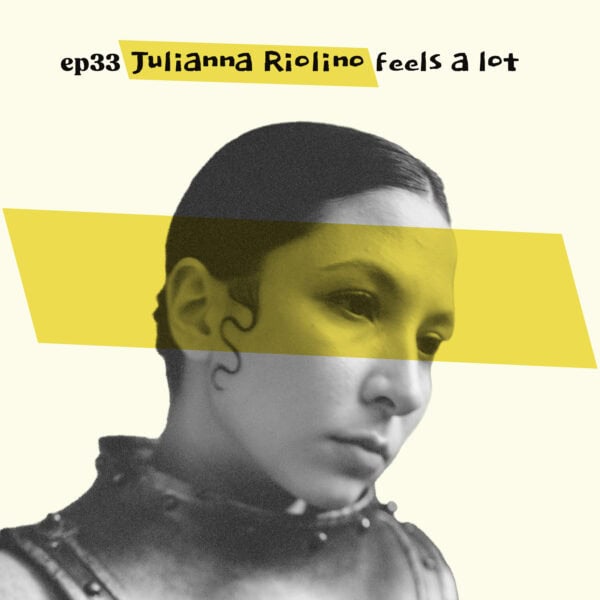
ep33 Julianna Riolino feels a lot
released February 19, 2026
1:35:18
Key Topics Discussed
“I feel first and foremost I’m a songwriter. I have been trudging through life with my guitar and the melodies in my head.”
“I feel a lot and deeply and I’m very hard on myself.”
“You have to really sit down and ask yourself, why are you doing this? I’m not doing this to be a millionaire. I’m not doing this to be famous.”
“The thought of my amps being so cold all the time is sad to me.”
At the time of this release, Julianna is currently on tour across North America and Europe supporting Echo In the Dust. Check out her website for details.
Guest website: https://juliannariolino.com/
Guest Instagram: https://www.instagram.com/juliannariolinoofficial/
Guest Youtube: https://www.youtube.com/@juliannariolinomusic
hosts: Glen Erickson, Alexi Erickson
Almost Famous Enough website: https://www.almostfamousenough.com
AFE instagram: https://www.instagram.com/almostfamousenough
Almost Famous Enough Spotify playlist: https://open.spotify.com/playlist/1o1PRD2X0i3Otmpn8vi2zP?si=1ece497360564480
Almost Famous Enough is a series of conversations centered around the music industry, pulling back the veil on what it really means to “make it”. Our podcast features guests who know the grind, who have lived the dream, or at the very least, chased the dream. Through these conversational biographies, truth and vulnerability provide more than a topical roadmap or compile some career advice; they can appeal to the dreamer in us all, with stories that can teach us, inspire us, and even reconcile us, and make us feel like we made a new friend along the way.
Chapters
00:00 Introduction
02:38 Meet the Guest: New Album, Pandemic Growth & the Subaru Sync
04:14 How the Record Keeps Changing: Songs, Subconscious & Meaning Over Time
07:23 Songwriter First: Early Shows, Identity & Making Art Beyond Music
12:14 Stained Glass, Side Quests & Avoiding Burnout
20:27 Leaving Daniel Romano & The Outfit: Boundaries, Family Vibes & Going Solo
30:39 Genre, DIY Producing & Surviving the Modern Music Business (Labels, Masters, Content)
55:14 Keeping the Joy: Staying Authentic Without Getting Jaded
56:51 TikTok, AI & the Attention Economy: Marketing vs. Human Intent
01:00:34 Song Spotlight: How “Against the Grain” Landed a Subaru Commercial
01:06:07 Saying Yes (and Getting Paid): Indie Cred, Sync Work & Creative Survival
01:11:59 Tour Prep Anxiety: Problem-Solving, DIY Logistics & Life on the Road
01:13:55 Amp Nerd-Out: Vox AC30 Devotion, Guitar Tone & the Tromsø Epiphany
01:22:11 Post-Fame with Alexi
ep33 – Julianna Riolino feels a lot
[00:00:00] Welcome back for season three three. I think podcast seasons are equivalent to dog years, so running a third season is basically like being 28 seasons in, and I don’t think any of that makes sense, but unless the applicable metaphor might be arriving at season three is like coming up on being 28. You know how that felt like, or maybe you don’t, but.
A lot wiser to the world. Confident, maybe even overconfident for sure. More bravado. Julianna Riolino was an artist of interest when I attended the Edmonton Folk Fest last summer, 2025. I always make a list of artists I haven’t seen live before or I haven’t been as familiar with. But have great interest in, and Julianna was top of that list and didn’t disappoint a young Canadian straddling genres generally infused with influences from [00:01:00] generations long before hers.
You just don’t know what to expect. Live, and there was swagger, playfulness, exuberance for just being part of the whole thing. The big picture on the stage with her friends playing. Strong guitar playing infectious riffs, fantastic banter. She went on this mental list of this podcaster who just gets a hunch sometimes for who would be a great hangout and therefore a great guest.
And one of the central concepts I arrived at when creating the podcast was the desire to meet cool people, connect around shared experiences and interests, and feel at the end like I just made a new friend. Oh, and let everybody else listen in on it. Julianna checked all of those boxes. Julianna Riolino has released two full-length albums and an ep, her latest being Echo In the Dust, released October, 2025 following a successful run in the [00:02:00] band for Daniel Romano and The Outfit.
She stepped out on her own with her own material. Grew and posted throughout the pandemic, growing your own audience and landing surprise successes like the runaway hit Against The Grain for a Subaru commercial. Very cool. My name is Glen Erickson. This is Almost Famous Enough. Thanks for spending your time with us.
This is Julianna Riolino.
Glen Erickson: Uh, who knows how we pick up from where we were attempting. We were just, I was still in shoot the shit mode with all of my questions to that point anyhow. Um, which is, you know, often how I spend too much of my time on podcasts. But, anyhow, thank you very much. I was, I started by asking you about where you were at in your recent performance on the, the road to the [00:03:00] Grammy or road to the
Julianna: with Grammys. Yeah.
Glen Erickson: sorry, it was just all over my head.
Julianna: maybe one day
Glen Erickson: maybe you’ll have to apparently prepare your, your special political speeches ’cause. I was saying this to my daughter in the car this morning. She was telling me about Olivia Dean’s speech and I said I was somehow for whatever, maybe it’s ’cause I’m older.
I’m in my fifties now. So empathizing, like they probably have the same show producer on the Grammys for like 40 years, who every five years some big political crisis in the world happens. And he knows every single person’s acceptance speech is gonna be politicized and, and you know, and remind everybody this isn’t the year to like put the timer and, and bring in the music and turn people off.
That was just what a hell of a job. Yeah, I meant the Junos of course. Um, what a slip. I actually, I said that to somebody else too. I think I slipped about saying that they were Grammy nominated once when I meant Junos.
Julianna: It’s like the, [00:04:00] it’s, it’s the Canadian version of the same thing, right? I guess so.
Glen Erickson: the Canadian Grammys,
Julianna: Yeah.
Glen Erickson: uh, or we’ll call it that. It’s a party at least a lot of the time, so it’s pretty, it can be pretty fun. so I guess the, the, the fun segue to that is I’m always really curious about what the road to where you’re at right now has been like, and that’s what I often like to talk with people about and find out.
And you have an interesting history and path to doing what you’re doing and where you’re at now, which I’m curious about. I guess I’m gonna start at the present though, and then maybe jump back and ask you some questions because I like talking to people at a place where you’re at right now, which is,
You released your album in October of 2025 and the way the business used to look of how you would get on the road or do a publicity tour. So much of that is so different. Everyone I talk to now, [00:05:00] and then I was listening to a comment, you, so I normally, I, sorry, I should say with that, I would normally ask the question about, you know, how are you feeling about the record now that it’s been out in the world?
Because it’s this always this big thing about when you finally let your record out in the world, right? And you take that exhale and then you wait for how people are gonna actually react or respond to it or see how they respond to it in live shows. But now we’re this sort of time difference. And I’m curious, so I had heard you say, I think it was to Tom Power, I had to write it down.
Record. The record is revealing itself more to me as time passes. And you said that. Back at release time. so now we’re like four months past that or, or so. Um, I’m curious how that statement holds up to you now with the record you just put out.
Julianna: Yeah. I mean, I think it, it’s, my answer is the same. I think because I always feel like I’m [00:06:00] growing. Changing every day and the way I perceive things and the way I understand myself and other people, you know, I think that that’s kind of what I mean by it. It’s always kind of evolving and changing in my mind.
and a lot of times when I’m writing songs, I don’t really, I’m not like, I’m gonna write a song about this person. You know, like, I’m not like, you know, falling into that Taylor Swift pastiche of like, I’m gonna write a song about my ex-boyfriend. Like, it’s, I think it can, my songs can be interpreted that way, of course, but like all of them are sort of born of like, in, uh, of, of this like connectedness to my subconscious.
And I think that it’s, I mean, it sounds selfish, but the songs are like, almost embody me. My emotions and experiences throughout time and like that always is changing, so it’s hard to, it’s hard to like pigeonhole them or [00:07:00] say, you know, uh, but I don’t know
Glen Erickson: Yeah. Well, a lot of people don’t want to have to explain their songs afterwards anyhow. Some people are a little more vigilant about. Thank you for the use of word pastiche by the way. Like that’s, um, not one I would hear very often. So that’s a top shelf choice of a word on a podcast, by the way. So
congrats. Um, well, I mean, I did, that sort of relates to other questions I had for you having read some of the things or the conversations you’ve had with other people in the past, but more I immediate just as a musician and, and someone who’s been in the business and see how people come to it and your path to your own career, which started playing in somebody else’s band and being a part of their career, um, as he did with Daniel Romano and The Outfit.
you know, the, the perception on the outside, either for press or just. Fans or whoever might be, you know, you were a [00:08:00] musician, you start your career as a supporting cast, a musician for like music skills. And then the interest might get into when you start your own career is like, what are your own things that are your inspirations, right?
That bring you to like, I wanna write my own songs, I wanna do this now.
Julianna: Mm-hmm.
Glen Erickson: I guess the question for me is like, my suspicion is that you always were that, or this version that people see now before you were doing the other thing. Right? So were you, did you always feel like, I guess the root of where I’m getting at is did you always feel like a songwriter or do you feel like you came into that after playing or, or is that what sort of was leading the charge all
Julianna: yeah, well I was playing music before I was ever in Daniel Romano’s band and I was also writing songs before I was ever in his band. And because I was doing those things, he, you know, saw that and knew I was capable of, [00:09:00] of, you know, supporting him in the way that he needed. so yeah, I feel first and foremost, I’m a songwriter.
and I have been trudging through life with my guitar in the melodies, in my head and trying to, you know, like before I was in the band, I was playing shows. Like I was, I started playing shows when I was like 18. first time I ever played was in high school, like I was when I was a kid. This is going back quite a bit, but I was always like, in drama, I was always singing in plays.
Like, you know, they could, they figured out I could hum a tune and they were like, all right, you know, you’re gonna be in this, this, this, and this. And I didn’t mind it. I liked it. Um, and then that kind of matured into, playing guitar learning, teaching myself, you know, trying to bridge and create that connective tissue [00:10:00] between what was going on in my mind and what I needed to, you know, how I needed, I needed a vessel to, to bring ev all of that into the world.
so yeah, I mean, I feel just naturally that I have always been a songwriter and. That is how I identify first and foremost. That’s, I think, maybe the most, connected I feel to myself. in terms of just like creating, like, you know, I think I’m an artist, but I like to use different mediums in order to understand myself and connect with other people and other my emotions and other people’s emotions.
Whether or not that be like painting or I also do stained glass. I, you know, I do, I like to do collage work. I think it’s, it’s finding all those things that connect, [00:11:00] our, ourselves with, with our subconscious. So, yeah, I don’t know. I think maybe I’m meandering on the question a bit,
Glen Erickson: No, it’s a good, it’s the, the connectiveness. I mean, you started by saying, you know what could sound like a little vague or washy, like, it’s this full embodiment kind of statement is kind of how you start off. But it really becomes about describing what that means to be connected into something more than just the here and now of, you know, in, I read some things, you, you had a great statement once about your songwriting, about connecting with who you were in the past and being able to let go of it, like as an active state of being able to identify with something, as a way of being able to also let go of it.
Which I think is just, I mean, this is the beauty of art and songwriters, right? Is That kind of articulation is something the average person I think rarely even gets to in their own life. But, but it would probably benefit everybody to go [00:12:00] through those processes and stages. And then as a songwriter you get to put that out and give something for people, you know, to kind of sink their teeth into and identify with, which is amazing.
So that connectiveness for yourself obviously makes a lot of sense. I know, the stain, the stained glass thing comes up a lot. Does everybody just love to talk to you about your stained glass work? Because I even, I even did a thing I’m learning to do where not only do I like deep dive Google, somebody, you know, and secretly hope to be able to nard wire them maybe once in a while, but, um, but I’ve started to run it through Chachi BT and then ask Chachi bt to go and look for everything that isn’t in the standard press articles.
Um.
Julianna: that’s
Glen Erickson: And you’re pretty young, so there’s not a lot that it can go and dig up for you. But there was just so many stained glass references and I’m, I’m wondering, I asked you when we were first, uh, chatting about how you felt about promo and publicity. [00:13:00] have you found, like, that just keeps coming up. Like people dig that up and just keep wanting to talk to you about,
Julianna: Yeah, I mean, I think it’s interesting to people. Yeah. I think it’s like such a niche thing. and it’s very random. and I don’t know, it’s funny, like whenever I talk to musicians too, it’s like, I think because we’re all so, it, it’s all the music is so all encompassing that like, if something is so left field and niche, it’s like almost a breath of fresh air.
It’s almost like I remember talking to someone, like, they came to a show and he was like this really nerdy, uh, music guy and we were just like, you know, like small talk, whatever. And. Somehow my stained glass came up and he is like, why didn’t you lead with that? Like, just only because he’s such a, he’s like, he, his brain is so wired to always, you know how, like you, you, you talk about something and you’re so immersed in something so much that you begin to like stop appreciating it in the same way that like, you know, [00:14:00] anyways, I think people like talking about it because it’s like super random and you know, it’s also like a really beautiful thing.
I find, you know?
Glen Erickson: it’s unique. You don’t hear about it every day. So I’m sure that’s a point of interest. And I think people love seeing somebody also like, oh, you also excel at this other thing. I, this is what I find interesting about musicians Okay. Is that, there’s a small, like, it’s like a 80 20 principle where like there’s 20% who just seem like they’re just all in on the thing that everybody knows that they’re doing and they see them for, but people only see like such a small snapshot, like of our lives.
Right. And, and like even either at home creating or being on the road, what, what are we doing with the other 23 hours of the day that, that somebody doesn’t see us? And, and I, I was talking about this with someone recently about how. They often are like, either, like what you talk about with the creative glass, it’s another version of a [00:15:00] creative space and outlet, which kind of makes sense to, you know, just an overall person who is cre a creative as I’d call them.
But,
you know, other people, like you’ve probably met some who like are real, like they nerd out on the technical part of their equipment or their gear and they sort of become experts in a way of that, or there’s some version of this all over. I always liken it to like, Wayne Gretzky used to always tell people, like, parents that they should stop putting your kids in hockey like 12 months of the year.
Like, let them play baseball in the summer. Let them play some other sports. It’ll actually make them better. I feel like musicians have often figured that same thing out. Is, is, uh. We’re not at home just practicing for eight hours, you know, and then having supper and then, you know, going and writing music, and then recording and then playing live.
It’s not all encompassing.
Julianna: Yeah. It’s nice to flex your brain in different ways and use different sides of your brain and, to tactile things, [00:16:00] you know, like using my hands in a different way. connecting and making decisions with different things, you know? I don’t know. yeah, it, it, I think it, it, I think it’s good. You know, they say variety is the spice of life.
And
Glen Erickson: They do. They do say that. It’s very true.
Julianna: whoever they is. Um, but I, yeah, I don’t know. I find it like a, it’s a good way to decompress and to not, you know, to, to shift my perspective and then, you know, recharge and like maybe gain a new perspective or, you know, like if I’m make, if I’m doing something stained glass wise, like I’m drawing, I’m, I’m building, I have a hard time.
My brain is very squirrely as well. So like anything, any activity I can get that I can just lock in on and like zone out songwriting is one of those things for sure. But you know, like you’re saying, I’m not doing that eight hours a day. [00:17:00] I, I think I would burn out. I, I, having room to breathe is I think just as valuable.
of a, of a tool and like knowing when you need things and like listening to yourself and, you know, also when I’m making stain glass windows, I’m like listening to a podcast or, you know, learning something about something else. I can, you know, focus on one thing, but then also like, you know,
Glen Erickson: Yeah. Yeah, absolutely.
Julianna: ways.
So anyway, that’s why I like doing that, but,
Glen Erickson: No, I think it’s great. I think it’s great. I think it speaks to a lot of, well, I think it’s just interesting to hear that and allow you to say that. I think either early or young musicians are often wrestling with their identity and what it’s supposed to be like, and they don’t know what the career is supposed to be like or the business is like, and that they don’t allow themselves a lot of the freedoms that they don’t hear about until they run into somebody who’s been doing it and, and, um, and [00:18:00] says those kinds of things.
And I think it gives us a lot of freedom to, oh yeah, I’m not weird. I can, I might lick also riding horses
Julianna: Yeah,
Glen Erickson: I’m not making music.
Julianna: Yeah, I think that you got, I mean, I’m not, you know, I’m not saying everyone’s like this, but I definitely think for me, I need to, I need to put my mind on other things so I’m not like hyper focusing on, you know, or I’m remembering or why I like doing it or, yeah. I don’t know.
Glen Erickson: Yeah, I’m gonna take a bit of a swing and I’m okay if you completely shoot me down and I’m completely wrong. But sometimes I like to do this and you seem fun and playful, so I’m gonna make some assumptions by big swings. It’s when I try to assume something and then, and then that can go horribly wrong, but you don’t seem like the type who will be bothered.
But you seem a lot like me in the sense, and I’m trying to see if I am identifying with you in this way that. You have a very heart on your sleeve [00:19:00] way about you, and yet it’s very clear that you’re processing a lot of things deeply and internally commonly, which don’t always go really well together because they end up always leaking out and, and they up out and it’s like, you know, a lot of shit.
Is that accurate? Is that accurate about how you kind of carry yourself
Julianna: Yeah.
Glen Erickson: regularly and then into your music?
Julianna: Yeah. Definitely.
Julianna: I feel a lot and deeply and I’m very hard on
Marker
Julianna: myself as well. And,
Glen Erickson: Yeah. That’s usually the other side of the coin.
Julianna: I take, I take things in pretty, pretty intensely. Yeah. And I care, I don’t know. I feel, and I feel other people’s, like, I, like you were, you were talking at, you know, when we first started.
This podcast conversation about, interviewers and, you know, just different energy and people, the energy that people bring and if, if, if they’re nervous or they’re anxious, like, I’m like, oh my God. Like, I feel like I [00:20:00] need to like cradle you and tell you it’s gonna be okay. You know? So I’m like, I’m more likely to make another
Glen Erickson: Yeah.
Julianna: feel better because I am just, yeah.
That’s just, I just need everyone to be okay.
Glen Erickson: I get it. But it’s not your job to have to do that. And just so you know, I’m okay. You don’t have to worry about me. Uh, I’m doing
Julianna: okay. I didn’t wanna assume, but you seem okay.
Glen Erickson: No, I get it. I get it.
Julianna: Um,
Glen Erickson: So I asked you about the record and I’m curious then. Okay, so we’ve jumped around a little bit, which is actually great. I love when that happens. so you started pursuing some music stuff, some creative things. You obviously were learning some other skills. The way everybody kind of does right, is like music slowly becomes more of an opportunity to take a larger space in our life.
We get to a point where we’re gonna jump off. It’s usually the way someone’s career works. It’s like, you know, am I that close where I can stop doing these [00:21:00] other things and like actually focus on it? So I find what’s interesting about yours is, is again, going back to you playing with, Daniel Romano and the, and The Outfit and and his band.
But at the same time you’re doing that, you are making music. Like you put out your EP in 2019 and you’re touring with him.
Julianna: Yeah.
Glen Erickson: So, is the assumption correct maybe that what’s unique for your story is that, I’m assuming that everything was going well, playing with, with Daniel, but that it just kind of became competing demands, like, ‘ cause he’s got a good career, a good gig going and you know, your opportunities started competing for time and opportunity against that and you kind of had to choose when to step out.
Did that, is that sort of how that played out?
Julianna: Yeah. I mean, it just became pretty evident that, it just became evident that there wasn’t gonna be enough time to prioritize my thing. I mean, also you have to understand like, so it was like [00:22:00] his stuff. And then Carson, his wife is also in the band. She’s got her own project as well. And then there was my thing.
So we all really, I think, did our best to. To make room and space for those things. But it just got to the point where it seemed impossible and it seemed like I was making, having to make, sacrifices at the expense of my own career and my own creative, uh, output. That, that I wasn’t like, you know, it’s just like seeing something where you’re like, okay, well is this serving me anymore?
Is this making me a better person or am I becoming, you know, are we all becoming like resentful of this? You know, you spend like a lot of time with people too. they were like my family. I spent the majority of my time with them. So yeah, it just got to the point where I [00:23:00] just, we had to make, I had to draw a line in the sand and, and make some borders and boundaries and stand firm on those things.
And, and it’s, you know, too bad that we couldn’t make all that work, but it is what it is. You know, it’s like, what are you, what are you gonna do? I don’t know. It’s, um, like I’ve always said, and I’ve said this in other interviews, I’m really grateful for Dan, and I think he’s a brilliant songwriter, and I loved singing with him.
It was, I loved singing his songs. I loved being in the room when we were all creating, and, we were like a unit. But, you know, it, uh, it just, it just got to the point where I was like, is this, this isn’t, it wasn’t serving. It wasn’t serving the whole group anymore. You know, it just was getting to a point where it just got a little bit not fun.[00:24:00]
The only time it was fun for me was when we were on stage and every other time was kind of like walking on eggshells. You know,
Glen Erickson: yeah. That’s the worst with friends. Uh, nobody likes getting to that point. okay, my last little bit then about, Daniel Romano would be, ‘ cause this might’ve been later, like in the 20 19, 20 20. Did, did Sebastian Bino ever come on the road with you guys and take pictures? Were, was.
Julianna: I, he
Glen Erickson: a part of that?
Julianna: was in the band. I
Glen Erickson: when you were in the band
Julianna: the band in 20, I joined the band in 2018, I believe. my first show was Maddy Fest in Toronto. Which was a festival, Matt, Maddie Matheson threw,
I think, I don’t know if he’s ever done it again after that, but,
Glen Erickson: okay.
Julianna: Yeah.
Glen Erickson: was just curious.
Julianna: I wasn’t there.
And then I think like after we left the bands, like Seb came in after, like, came down to [00:25:00] film some stuff for them, but
Glen Erickson: Yeah.
Julianna: I wasn’t, but I know Sebastian and I know, I know him well and I, I, I love him and I think he’s a brilliant photographer
Glen Erickson: He is, he’s a gem, such a unique character too. Like, he’s so much fun to be around. So, I’m curious then, what is, what was the thing that you felt was you stepping out on your own and producing music? did you feel like you knew at that time exactly what you wanted to do?
Or was it still, and that’s, I know that’s a bit of a loaded question because that you look at yourself now, you know, six years later, seven years later, and you probably have a much more broader perspective about who, who I am and what I wanted to do compared to then. But how, how, if you are looking back and putting yourself back in 2019, Julianna, like, how.
Convinced were you of what you needed to do for yourself, or were you more [00:26:00] just following the opportunities that were popping up?
Julianna: Well, I mean, I was, I was still, I think finding my, I finding my confidence for sure. Like I re released, or I recorded that EP in 2017 and I held onto it till 2020, and it wasn’t until 2020 that I. Decided to release it. ’cause I was like, eh, all right. Like everything, shut down, whatever. And then I recorded all Blue in 2020 that same year.
’cause I had like so many songs.
Glen Erickson: And you sat on that one again for two years.
Julianna: I sat on, but that’s kind of how long it takes to release a record, honestly, unfortunately. I wish it didn’t take so long. Um, but yeah, I mean I did sit on that one for like, a little, a little bit, while I tried to figure out, you know, who was gonna release it, when was the right time.
And like, you know, I was in, I was playing with Dan and getting [00:27:00] comfortable in that situation as well. and having a lot of new experiences in that way, like touring more extensively, finding my, my voice in that band and like. My, the, you know, performing in a different way. ’cause I was always performing like with a guitar or my, or my songs like, you know, alone or, or whatever.
so yeah, I mean, from 2020 to when I recorded Echo in the Dust in 2024, like, I felt like a completely, completely different person. more confident. I mean, every single time you record, you learn something. Like there’s no way to know, and unless you do it, and if you don’t have the privilege of having those experiences, you know. From a super, super young age, like it’s [00:28:00] kind of, that’s the process. It’s like every single time you record, you’re learning something. Like in my ep, we recorded it all to tape and I was just like, so nervous and like did not know, like I was, did not feel like I could be in the room. Like I’ve always battled myself and my, and my self worth.
And I’m, like I said before, very hard on myself. So, but like every single experience I’ve had recording, I’ve gained confidence. And also, you know, you, you do that, you perform, you find yourself in that way. Um, if you’re connected to like, you know, I listen to a lot of older music. I, I watch a lot of music documentaries because I see a lot of myself in a lot of those people and their processes.
And that also helped me. gain more confidence and understanding by seeing that, like commonality and connectiveness to other [00:29:00] artists being like, oh, I, I feel that way too, or I think that way, or, this is the, the way that I wanna, this is the way that I write songs. Or, you know. so by the time I recorded, I got into the studio in 2024, it was like I had the songs and I was just like, all right, let’s get this done.
You know, and I had like a renewed sense of who I was and the process. Like, I knew the process more, so I felt more confident in it. so it was, it was a lot more fun and I was able to like, relax a bit more than I normally, haven’t have been able to in the past.
Glen Erickson: I mean, that first time you go in to record, I mean, it’s absolutely paralyzing for almost everybody. the take because the take itself is like, you treat it like this, it’s life or death. And if you said you’re recording the tape, then the stakes are like that much higher. Um. so that makes a lot of [00:30:00] sense in the evolution.
I, I love that you brought up just the concept of the process. ’cause I think so many still, people still just perceive this as a, as an inspiration based discipline, you know, like the creation of music or the recording of music. And yet it’s, so the professionalism is all in learning and evaluating processes, understanding techniques, deciding what’s gonna be mine and what isn’t gonna be mine and, and what feels like a, a truth and an extension of yourself in the actual work, the process. so I find it really interesting. The work is definitely work. Absolutely. okay, so you also hinted towards something, which is my great curiosity with you, and I don’t deep dive with almost anybody like this, but I feel like I have to with you, which is about your genre because. Like our world is genre defying in general, but Julianna, yours is [00:31:00] like super interesting mix to me.
I mean if I read, I mean I let chatgpt tell me all kinds of shit, but you know, you being called Country Rock so many times was interesting to me ’cause I was like, I mean I hear the pedal steel solo, but I don’t, and maybe on the older records a little more what somebody would call country rock.
And in Canada, what we call country rock is so different to me. Like it’s the Gordon Lightfoot era influence Neil young-ish thing that people call country rock in Canada, which is so different than if you’re in the Southern US what they would call country rock. Right. And
Julianna: Yeah.
Glen Erickson: so that’s a difficult, genres are very difficult in general.
I’m obviously trying to get to that, but. But what’s interesting is a, you’re a young person, and you’re writing music To me that mostly is defined, I feel, by pretty historic influences. Like, [00:32:00] like hearing. I think the song Seed, which kind of has, starts with like the three, four fifties kind of soul ballad feeling, if that’s accurate to you.
Like almost made me feel like Earth Angel playing with Michael J. Fox while he’s watching his parents dance in Back to the Future. That kind of a, you know what I mean? That kind of feel.
Julianna: I love that it brought you back there.
Glen Erickson: That’s what it did. I had to like, I had to like literally go back and Google and I was like, what song was Michael J.
Fox playing while he watched this? Anyhow? Um, but then I, but then you like kick it up. But the way you kick that up at the very end, you. Of that tune is still like to me like a fifties rock and roll song almost. And it’s got a lot of like the soul and the black music version of that in your music and it feels almost more predominant on echoes in the dust than, than the country rock influence.
Is that accurate for sort like for you [00:33:00] to say, I watch a lot of old things and documentaries
Julianna: I
Glen Erickson: all of a sudden, that makes so much sense.
Julianna: Yeah. I mean, I’m connected to, it’s funny, I also think that like we, I would love to have gone to a show in the fifties or the sixties and actually see like, you know, Otis Redding play or you know. Like Aretha Franklin or anything. I’m sure those shows were like way more rocking than,
Glen Erickson: Oh yeah.
Julianna: the stuff that is even available to us, you know, like, so yeah, I don’t know.
I, I, I have a weird time with genre. I feel. I, I’m kind of go back and forth. It, I, I just make the music that I, that I hear in my, in my mind and that inspires me and that comes out and I follow my instincts, especially when I’m, we’re recording. Um, I don’t really like put like, to put limitations on myself.
I’m very easygoing, uh, [00:34:00] about stuff. I just think whatever serves the song is the best decision to make. Uh, I’m always just trying to serve the song. And then also, like, maybe for this record too, I was thinking more about the live show because I had more live show experience. I knew. Like, what songs do I wanna play live and what kind of atmosphere do I wanna create, for the audience?
So that definitely came to play. But I also think genres are a weird thing. I don’t like to adhere to it. And I think that it is kind of a way for people to market stuff to, you know, like
Glen Erickson: It’s always been, it’s always been a, a category for records in a record store. It’s the easiest way for them to do it.
Julianna: But I, I think more and more we’re seeing this, like we’re seeing other artists, especially like, I mean, I, you know, I’ll bring Beyonce into this, this conversation, like her, [00:35:00] why not?
Like the, her last album, cowboy Carter was like, basically you, you, you know, uh, a slap in the face to. whatever top 40 country music because she, she was basically saying like, look, yeah, I am country, but I’m in an industry where you are painting me out to be r and b or pop, but I can be all of these things and I will create an album that’s reflective of, of, of all of these different cultures and eras and inspirations.
And, you know, you can’t really call that record a country album, but you can, you can call that a dance album. You can call that like rock and roll. You know, you can’t, so I, I don’t know all that, like, genre bending is very interesting to me. [00:36:00] I don’t like do it on purpose. It’s just the way that I hear and interpret music.
It’s just the way my brain works. I don’t know if it’s doing, it’s, it’s, it’s, it’s, uh, doing a disservice to me because it’s hard to like pigeonhole what it is because I think some people listen to a record and they just wanna listen to a country record, you know?
Glen Erickson: sure.
Julianna: I also have an issue. I don’t have an issue, I shouldn’t say, but like, I find that a lot of records today, everything, every, and it could sound good sonically, and I don’t wanna mean this as a diss, but like, it’s, it’s more often than not, I feel like I’m listening to records where all the songs sound the same and
Glen Erickson: you mean on an album, like
Julianna: Yeah.
Yeah.
Glen Erickson: 10 tracks of the
same thing?
Julianna: It’s all kind of, and it’s not the same, but it is the same, it’s the same landscape. I don’t know how to
Glen Erickson: Do you think it’s, [00:37:00] ’cause they’re writing, everybody’s writing for singles now and people aren’t writing for an album. Right. An an album. We, you know, traditionally we created you just call the landscape. Right. It’s like where I start shouldn’t be where I finish and I should go up a hill and down it on the way.
Right. Just the way we tell stories Right. Is the same way. I don’t think the industry does that. And it, and it plays to sort of what you were saying before is that, you know, that it, it’s the industry people who usually are us more to like, make everything sound a little more obvious so that it’s more obvious to an audience and I can sell it easier is really what it comes down to.
Like you said, marketing like Post Malone made a country record and, What makes it sound country is that he had all Nashville players on it. And I liked the choice he made, which was to write the songs [00:38:00] with established country people and just kind of find a middle ground that way. The way it came out was so polished, sort of Nashville polished that it forced its way into the genre.
But, but I guess what I would say is that
Julianna: that.
Glen Erickson: there’s a version where people genre bend and I get that and people have every right to do what they want. People are a little too critical of that. Um, but then there’s a different version, which is you and I don’t think you genre bend. I think you authentically, I think you’re authentically emoting the way you just described.
Like this is what I hear in my head and the ability to get that out like is obviously a skill, right? That I can’t listen to your songs and like. Put one finger on it, like I can hear a little more, you know, fifties rock soul stuff or sixties soul in some records. And then I can hear a little [00:39:00] straight canadiana kinda rock riffs things in other songs, but a little bit of the other things still in there.
oh, you wanna know what my craziest reference that you talk about, a 50-year-old guy thinking things, not just Michael J. Fox playing Earth Angel. But I’m so old that, uh, this is what I thought after I saw you play. ’cause you’re so rambunctious in your live performance on stage. I loved it.
Um, what I was gonna give you was the craziest reference, which was you invoked the memory of leather tuscadero on Happy Days. Fonzie’s love Interest. I don’t know if you, if you’ve ever seen an episode of Happy Days in Your
Julianna: got, I have, I used to watch it, but Leather Tuscadero,
Glen Erickson: the end of the series. I think he kinda, she was like, uh, her name was like Susie Quatro. She was an actual like rock and roll star. Uh, she kind of wore like the chokers and she kind of had the, the [00:40:00] hair that was just barely shoulder length. I don’t know, somehow you invoked the whole thing to me when you were playing your guitar at Folk Fest and it was very cool.
Very cool. That’s all a cool reference.
Julianna: That’s,
Glen Erickson: that doesn’t go south on me, but,
Julianna: that’s a solid, really cool reference. If I’m gonna be compared to anyone, it should be Susie Quatro.
Glen Erickson: um, it is a first. Okay. I guess that’s somewhere that’s not Narduaring, but it’s, if it’s a first, I guess that’s a positive thing. But I guess it all just goes back to me saying like, I love the, the genre blend and a very old soul, old style influence coming in. And I guess it leads to another part I’m interested in about your choices, uh, Julianna, which are to record the, the record yourself, right?
Like you’re pretty still early into the career, you have an EP and then you have your full, full length, [00:41:00] which gets, you know, released on a label. Is the choice to record this one yourself a specific choice for the freedoms of the studio, or is it even bigger, like the freedoms of the business
Julianna: I think
Glen Erickson: that kind of creeps in?
Julianna: it’s, it’s, I mean also, uh, I think when I left the outfit, I really wanted to stand on my own two feet in like a real way. I love you’ve changed, but, and I think Steve Lamb key’s amazing. It just felt like I needed to do this thing on my own. I also wanted to have the freedom, like you said, to release it when I wanted.
and yeah. Financially, I fund everything myself, so anything I make off of music, goes back into it. it would be nice living in [00:42:00] Canada to be, be ace, like maybe have a little bit more grant funding would be nice, but not everyone gets those things. so, you know, I think for me, a lot of times I’m looking at just like the model of like what the traditional, what the landscape of being on a record label is this day and age.
And I found that, yeah, this just gave me a lot more freedom and I felt like I was funding a lot of things myself anyways, so
Glen Erickson: Yeah.
Julianna: I just, I just thought it was the move. In many ways it felt right. I think there are like positives and negatives to like every situation too. Like I’m finding that are, there are some, like, there are some hurdles that I need to get over.
I have a lot more responsibility, you know? but I’m willing to take all of those things on and those stresses because
Glen Erickson: Yeah.
Julianna: at the end of the [00:43:00] day, I don’t wanna sacrifice my integrity or my art. Like, I don’t wanna get, like I’ve, you know, I’ve been, I, I have had people interested in wanting to sign me, but what I, what they wanted.
To do that. I was not willing to sacrifice. So like, I’m not gonna sign away my master’s in perpetuity to anybody. And maybe I’m like digging myself a hole by even saying that on this podcast, but I don’t really care anymore. Like, I just think
Glen Erickson: Those people don’t listen to this podcast, so you have, you have nothing to worry about.
Julianna: yeah. I, well, I’m, yeah, I just, it, it’s just one of those things where you just kind of like examine the way the industry is right now.
And I’m having, like, you know, I, I’m constantly processing things and I’m getting, trying to not get too existential about stuff, but like, I think a lot of people that do sign deals don’t really understand what they’re signing. [00:44:00] And it is a huge sacrifice and it, when you hear stories about artists who are like in their sixties and seventies and have no money.
It’s because someone made it and they took it from them. And I, you know, we talk about me being an old soul and watching all these music documentaries and all these things, like I’ve learned a thing or two from their mistakes, like from Tom Petty’s mistakes. Not saying that I’m on the same level as him, but like, you know, if
Glen Erickson: Yeah. It’s not, it’s not a level, it’s, it’s what you said. It’s at least the maturity to listen and understand,
Julianna: Yeah. So like
Glen Erickson: 25 and 30 year olds aren’t usually. Making decisions looking that far down the road. Right. It’s really hard, and so I think scarier sometimes than the people signing the deals that they don’t understand, or the ones signing them who do understand and are just so convinced, like, I have to take my piece of the pie right now and this is the only chance I’ll get and not bet, and [00:45:00] not be willing to bet on themself.
Julianna: Yeah. And that’s, that’s what I’m trying to do. It’s like I, I believe in myself also. I feel like I’m constantly shifting my perspective in order to like, to battle that existentialism of the industry and like the way things are set up. Like it’s, um, I believe that I’m meant to do this and that I’m very good at it, and that if I continue to just nurture that seed in within me, that, you know.
It will be rewarding for me in the long run in my life and, and hopefully connect with other people. But like, you have to really sit down and tell yourself, ask yourself, why are you doing this? Why do you wanna do this? You know, I don’t wanna be, I don’t wanna, I’m not doing this to be a millionaire. I’m not doing this to be famous.
I’m doing this [00:46:00] because it’s my purpose and because I, I feel this is what I’ve been put on the earth to do. You know? And it’s, it’s hard sometimes, especially with everything going on in the world. ’cause it’s just like, oh my God. You know? You really have to like, advocate for yourself and like believe in yourself in almost a delusional way because everyone and their mothers is
Glen Erickson: yeah. You talked to a friend of mine, Dan Mangan. He’s the first to say. You have to have a healthy dose of delusion, to be able to do this. Um, absolutely. It is very hard and it’s hard to keep going because A, the people who usually start are validation junkies. Um, and then b, you get to a point when you realize that people’s validation will not be enough to keep you [00:47:00] to the next record or keep you going.
Um, I think what’s, that’s what’s interesting about all of that. In your experience, the way I’ve heard it in different versions is you, you clearly pursued to me the person who. Is in this because like you believe this is what you’re meant to do and this is what you can do best and you’re willing to give everything to it.
And it just is a natural, it comes out of you. And to be honest, like I’ve spent so much time on the business side of of music that you’re the type of person they all, they’re all going around looking for, like they gravitate towards somebody who looks like they’re a lifer and sold on themselves and believe in themselves to that kind of level and has chops behind it, right?
So that is what they look for. And the great irony is, is that that you’re the one that they want to go sign, but you’re the one who becomes self-aware [00:48:00] enough to realize how a deal that is, right? And it’s just this shitty irony in the business that the opportunity could be there for them to truly help your career and be a partner rather than. The old models, which just aren’t worth partnering up with. So I totally get that and I won’t go on about it. So that you don’t feel like you’re shitting your career
Julianna: Well, I, yeah, I, but like, the point is, the point is I don’t think that, like, the thing is, I think that I have to put my, when I say shift my perspective, it’s like it’s easy to, like, it’s easy to look at anybody who you think is doing better than you, but the reality is nobody is like, and if a lot of people, I know a lot of successful people that are optically successful, that are in so much debt [00:49:00] because, you know, it’s the way the industry works.
Unfortunately, I feel like there’s a weird thing happening in this day and age too, like you’re saying like the old model doesn’t exist anymore. So there e everyone’s looking for like TikTok virality and they’re all looking to sign somebody who. Can cultivate their own success and following. So it’s, I’m worried that it’s becoming less about the music in this day and age and more about, you know, the validation and like convincing people to smell your farts, you know, for lack of a better term.
But I’m trying to say, like, I know that if I, if I keep working on me and my songwriting [00:50:00] and my producing chops and all of those things, like I’m learning a lot from all these experiences. And I’m also just like a workhorse. So like, I love to be on tour. Like I love to be on tour, I love playing shows. I work.
Myself to the bone, you know, because that’s just the way I’m, I’m wired, you know?
Glen Erickson: Well, you said you had to take on a lot more doing this choice, so you’ve probably had to. You’re probably referencing the business side of your career, which is not what every artist loves to have to do and learn, but especially, and a lot of them are always aspiring to have the team because they wanna get out of it.
Right? They were like, I’m tired of booking my own shows and talking to people and having to arrange everything. So they want to build the big team up. But it’s funny to me how many at different stages will turn around and start to go back the other [00:51:00] way. Which is why you’re of great interest. ’cause like you’re learning this and you’re displaying this like pretty early, um, in your career.
So what has been, I’m gonna ask you this question. What has been the hardest aspect or thing that you’ve had to take on or do by choosing to say, I’m gonna, I’m gonna go this on my own and, and, and bet on myself. Like, you know, is it having to like. Some part of the business side of it yourself. What part is what is hard?
Julianna: I think what’s hard is like having to stay on top of all of those business aspects. Like yeah, I have a team of people that help me. Like I have a manager, I have a booking agent, I have a publicist, I have a radio team. Like it’s, it’s knowing all those different facets, like that would be something that the label would just do and be like, oh, we found this person, or we did this, and [00:52:00] like, they’re working on this and then they front the money and pay them and, you know, all I have to do is, you know, show up to the gig.
Um, but like, it’s everything. I mean, like. It’s just all those business things, being in tune to those business things, marketing stuff, especially in this day and age where it’s just like, it’s so
Glen Erickson: what you lose, right? Like that’s the one thing, isn’t it? Because you can ditch a label. You can still, like you said, you can have your own publicist and radio team and agent and manager, but generally musicians, there isn’t an industry of, like, there isn’t a marketing in marketing industry.
Specific musicians, labels do that, or artists do it independently, pretty much.
Julianna: Um, also for this release, I signed a distribution deal with like a digital distri, uh, distribution company called awol, which is like a subsidiary of Sony [00:53:00] and they have like a built-in marketing team. So it’s, but it’s like, all that to me is like, it’s, I’m like, just knowing all that stuff, it’s like hard to balance.
Those things and that knowledge with like, being authentically myself and not letting all of that, drown me, like in, in my perspective of like, why I am even doing this. Because why I’m doing this is because I wanna write songs and I wanna perform them. But now we live in a day and age where like I have to create videos or content every day to bring people in.
And it’s like, I don’t wanna do that. I don’t, I, I will to a certain extent, but I’ve had to check myself, uh, in some moments to be like, I, this is sucking my soul out of my body. You know? Like, I need, I need to center myself. Go touch [00:54:00] grass and like, you know, figure out. You know why I’m even doing this.
Uh, you know, and, and, and I
Glen Erickson: that was, uh,
Julianna: that, then I can connect, you know, then I don’t, I don’t think you need to, like, I’m just, I’m battling the idea that you need to like, constantly be making content in order to connect with people. You know? It’s, it’s,
Glen Erickson: yeah, so I work, I work day job in a marketing agency because.
Julianna: Yeah.
Glen Erickson: I learned how to do all this shit when I was playing music, and then it’s turned into a day job for me. And I wrestle with it all the time too, when I’m supposed to be selling it to clients about where the value is on all this stuff and what people tell you in the trends.
But especially with musicians. Like I referenced Dan before he was episode one with me, he, I started this whole thing off with him and that was a significant part of our conversation is his absolute existential dread over turning [00:55:00] into a content creator, uh, instead of an artist. And, and it’s very real for a lot of people.
And I think that’s one aspect, probably of a few for different people where I. You have to find that balance, right. Of, what do I need to do, but how do I make sure this doesn’t suck the joy out of this? And then you become one of those jaded people that you meet at conferences and festivals in the music business who are too old for this shit and, um, get a little too tired of it and stuff.
You kind of want the joy to still be there.
Julianna: Yeah. It’s, I, I am a firm believer too. Like, I don’t wanna be beco, I don’t wanna become jaded, and I am also open to the idea of like, to, to, to, and I’m open to accepting this new way of doing things, but not at the expense of who I am authentically as a person or my, you know, what, what is rewarding for me creatively.
[00:56:00] You know, like if it, if it’s stealing my joy, then I don’t, I’m not gonna, I don’t want to do it, you know?
Glen Erickson: Yeah, yeah,
Julianna: but I also think like, yeah, TikTok, if, you know, I don’t wanna be one of those people that are like, I don’t get TikTok, freaking TikTok, blah, blah, blah, blah, blah. It’s like, well, we can’t really change the fact that this is what people are connecting with right now.
So you can, you can be mad all you want about it, but it doesn’t change the fact that like, this is how people are connecting. To the majority of music now. Um, it’s just like MySpace turned into Facebook, turned into Instagram like this. Now it’s, you know, whatever. It’s just, you gotta keep flowing upstream
Glen Erickson: yeah. I.
Julianna: But, but within
Glen Erickson: think the music industry has a couple things to learn right now in that regard. Like I, what I find really interesting in my space that I’m in, in my [00:57:00] space, um, in the space that I’m in, is, um, yes, um, is that, so we’re, we’re, it’s called that we’re in an intention attention industry right now, right?
This competition over everybody’s attention spans, which apparently get low and lower thanks to the, our devices and all the research and things that are out there. However, we’re still talking about the inevitability of having to market yourself, right? You have to sell yourself, and this goes back to the beginning of the second.
It’s great if you wanna sit in your room and write songs. The second you decide, I want to. People to hear my songs is the second you start to enter the business, right? Like even in the smallest way, if it’s on a street corner and you open your guitar case up, it doesn’t matter. Like in some small way we become part of something more than just, I wrote some songs.
I want people to hear those songs. I want people to engage with those songs. How do I go about doing that? [00:58:00] I guess what I find interesting right now with TikTok and then with what AI is doing is the word that comes back in every seminar I go to and thing I learn is intent. And what’s changing in the attention industry is like when marketers sell, they have this thing they call a marketing funnel, right?
Uh, the tight little bottom of the funnel is where people are like essentially spending their money. And at the top wide part is where they’re just giving their attention and you try to move them down. But the concept of intent is that everybody. Wants to act out of some version of attention. In other words, people are out there wanting. To not just hear the same 10 songs on a record sound the same. There’s people, a lot of people who want to hear an artist deliver a record. They want to hear variety. They want to see, hear different colors of how you can write a song they want to hear. And we miss all of that when [00:59:00] marketers make the decisions.
We miss all of the joy of art and how much intent is actually out there. And even in our marketing efforts, people are missing it. And yet it keeps bubbling up because humans are humans and they’re actually just, they were on MySpace looking for something. They were, they embraced Napster despite its great illegality because it was quicker access to the thing that they were looking for and that they wanted.
And we, we bemoaned Spotify for its business model, rightfully so, but everybody begged to have the world’s music library in their hand. For decades, and there’s an intent in there one way or another. And it ends up so often on the shoulders of the artist again at the end of the day to keep deciding how they’re gonna define their path with that.
And I love just hearing how you’re wrestling with that, but that’s, that’s a bit more of a depressing [01:00:00] side of a conversation. Let’s, so, we’ll, we’ll skip that one because I, for the listener, they should know too, for you to be like saying, I don’t want to be jaded. I don’t wanna be one of those people. And I’ve made a joke about you being playful before, so the listener should know you’re, you’re sitting crisscross applesauce on a bed at your parents’ house, which is
Julianna: CRI
Glen Erickson: the, it just, it feels like the least jaded posture.
Uh, I could have a conversation with somebody about, so I have no worries about, um,
Julianna: No,
Glen Erickson: future Julianna being
Julianna: be fine. I’ll be fine.
Glen Erickson: You’ll be fine. Okay. Tell me about the song Against the Grain. Julianna. Like, because I wanna know about this song because it’s great song and then I heard it on the Subaru commercial and then I was like, holy shit, that’s Julianna.
I heard it like literally the day after Ken told me we were gonna book, book this conversation. So I thought that was cool. And I don’t know if that’s your first big placement or if there’s been some others, but it’s a song that [01:01:00] you wrote with somebody. Again, it’s got a lot of throwback influence in that songwriting.
and yet it’s so accessible and so catchy and it’s not on the records, so it,
Julianna: No,
Glen Erickson: it’s, it’s on its own. So
tell me about it.
Julianna: it. Yeah, that’s, so, that’s its own thing. The, the, the origin story of Against the Grain is my friend Adrian Underhill, who is a very talented musician and songwriter as well, from Toronto, Ontario, was doing some work for a publisher and, he got a brief for a Subaru commercial for the titles was Against the Grain.
He had to write a song. The brief was something like, you know, Linda Ronstadt, Laurel Canyon, like, you know, they, they give you all these notes to be like, oh, this is the direction. If you’re writing songs for commercial or tv, I don’t know. For the listeners, for the listeners at home, [01:02:00] so. so that was the brief.
And so he reached out to me and I was, you know, home. I just happened to be home from tour at the time, and I had told myself that year, I’m just gonna say yes to everything. You know, I’m, I I was one of like, that was my New Year’s resolution, you know, I’m not gonna be too cool for anything. I’m just gonna say yes.
And Adrian reached out and I thought, great. You know, it’s, it’s awesome when you can get session work like that because it helps pay the bills.
Glen Erickson: Mm-hmm. Mm-hmm.
Julianna: he, yeah. So it started off as a commercial, a, a song written specifically for a Subaru commercial titled Against the Grain, and I sang it. In, I did the track in like 15 minutes and I’ve done a lot of different stuff for TV and film, you know, bids or whatever.
And, you know, [01:03:00] nine times outta 10 they don’t, you don’t ever hear anything. It’s just, you know, it puts food on the table. And, so I did it not really thinking anything was gonna come of it. and then I think I happened to be in Virginia. My husband’s from Virginia and he was Adrian’s like, they love the song.
Like, they’re like they love the song. And I’m like, what? Oh my God. Okay. And they’re like, they just want you to do. Some, uh, you know, what’s the word I’m looking for? they just wanted me to like ch they wanted to change the words. ’cause also, this is the thing with ads and stuff, they have like, you know, everyone I imagine, I don’t know how actually works, I’m always doing these things at home, but like, or in the studio, but I just imagine like all these ad people being like, the word needs to be this here, you know, or whatever.
And it’s like, that’s gonna change the entire anyway. So anyways, we humored them and we made the changes. I did it rerecorded it in [01:04:00] Virginia in a closet on like a standard like ribbon mic. Um, and yeah, and we cut that in like 15 minutes. Sent the revisions. And then they used it for the commercial. And I was like, wow, that’s amazing.
And then the commercial came out while I was on tour and everyone was losing their shit about it. And it was crazy to me. ’cause you just don’t ever do things thinking that anything’s gonna come of it, you know? Because you as an artist and as a person in the, in industry, you, you get used to throwing a lot of things at the wall and nothing sticking.
You know, you just, you get conditioned to mitigate your expectations. So anyways, it was aired and I didn’t really know what was gonna be on the, on, on air or whatever, but as soon as it was coming out, I was getting messages from people. People were like, who sings this song? Who sings this song? Subaru is [01:05:00] like, everyone loves the song.
That turned into us eventually re recording a longer version of it, like a full length version to release on our own. That took a long time because Subaru wanted us to, like, he, they wanted to release it as Subaru and then their team at the production company was like, I don’t really think that’s a good look for you guys.
Which I’m happy that they advocated for Adrian and I in that way. but yeah, we released a full length, I think it was like a year later or something. Maybe it was longer than that. and people really liked it and they still like it. And
Glen Erickson: The commercial is still playing. It’s
Julianna: the commercial is still playing. I can’t believe it.
It’s been like three years and the, there’s been like three or four different versions of the commercial.
Glen Erickson: Yeah.
Julianna: to me. It’s
Glen Erickson: And, and you keep, and so everybody understands you keep getting paid if that [01:06:00] thing keeps playing
Julianna: Yes.
Glen Erickson: the same way, the way those kind of agreements work. I’ve got some friends who,
Julianna: Yeah.
Glen Erickson: you know, they see, they secretly write a lot of jingles because, they, they keep it quiet ’cause they’re afraid of their indie cred, but they’ve been really good at it and it’s, I it’s floated their career.
Yeah.
Julianna: In this economy. Like I don’t knock anyone for like, that’s what I mean about, you know, that year me saying like, I was gonna say yes to everything. Like also there’s this funny, it’s not funny. It, it’s a, it’s a specific mentality that I had while I was in that, in the outfit, which was kind of like that, you know, we’re almost.
Like, we’re too good for certain things and you know, not gonna dip, dip into that. And like, I was just like, you know what? I need the money. I need the money. I’m going to say yes to things. I’m not gonna be too good for things. I’m gonna [01:07:00] challenge my also, not even that, I thought I was too good for things.
Just like, I just wanted to challenge myself. In my mind, I was just thinking any opportunity I get to sing is a great opportunity and a learning experience. so I said, I was like, yeah, sure, whatever. Like, I, I under, I hear what you’re saying, but I mean, I, I always, I always go back to like, uh, Cheryl Crow wasn’t Cheryl Crow, didn’t she write jingles in at the beginning of her career?
And, you know, I don’t know if it, if it helps, if it helps me in the InBetween times too, when I’m like, not touring, also touring. Is a whole other conversation in this day and age. so if it helps me create more of my own art, then I’m gonna do it.
Glen Erickson: Yeah. Well, and you know, we make, we form opinions when we’re younger. Often we [01:08:00] decide to narrow the box because we think that helps us form an identity or we don’t even know it, but we are. Right. And so, and it goes back to what you said about your songwriting and being willing to evaluate a past version of yourself and then even let, let it go.
I feel in the same way we form opinions, especially in music where we’re like whole concept of indie cred or whatever it may be, we’re like, we’re just trying to help define ourselves. I think mostly internally then. Yeah, you get older and. Your mind opens up to things. You say yes to things, uh, you have to, you have to be willing to change and accept that you’re not the same person and you may look at things differently and, and try not to give a shit what everybody else
Julianna: Yeah, IDI also, if it’s like opened up my music, if it’s opened me up to a broader audience of people that then goes and listens to my, my other, my records, then like, that’s great. You know? Um,
Glen Erickson: not [01:09:00] like you sang a jingle that you’re embarra like a jingle. It’s not a jingle. Right. Like it’s not a jingle. It’s, it’s just ’cause it’s in a commercial. Like you,
Julianna: I mean, the
Glen Erickson: that’s in your library.
Julianna: the language that’s used in it, is, is, is not something I would write about.
It’s, it’s, it was specifically written for this commercial brief, which their whole, the whole concept of the commercial was going against the grain, you know? So it’s a song written for a car commercial
Glen Erickson: Yeah,
Julianna: that obviously spoke to a lot of people.
Glen Erickson: but it also uses a pretty common colloquialism, so it’s not hard to write broader concepts, and then you write a really good song that sits in your catalog and doesn’t stick out as not part of your catalog. Like that’s a pretty fortuitous place to end up with doing a radio commercial,
Julianna: Yeah, it’s, it’s, it’s, [01:10:00] uh, you know what? I’m all for it. I still do commercials and stuff. Like, I’ve done a couple other things in the
Glen Erickson: Yeah. Good for you.
Julianna: like, you know, it’s, it’s good. It helps me, like I’ll engineer the sessions myself at home and, you know, like I learned that way. And like I said, it gives me the opportunity to, you know, challenge myself and also pay the bills because Yeah. You know? Yeah.
Glen Erickson: I like what you said about by the way, that, you know, you throw in this business and being an artist, you throw so many things against the wall and not even saying like, I’m gonna see what sticks. You just expect them all to not stick, but you keep throwing ’em. Anyhow, I just think it’s interesting as a creative in general, I just went through like performance reviews with people I work with, you know, who are designers and such.
And, and with one or two of them, I had to, I had to say by the way, [01:11:00] like, it’s okay that you took some swings and that didn’t work out. Like, uh, you can’t be a creative and not take even micro swings all the time. And maybe they’ll take 10 swings at something and I’ll only say yes to one of them. That’s just the life of a creative, right?
You’re just constantly trying to express out the thing that you saw. And you just don’t always get it right, or someone just didn’t see it the way you saw it, and there’s nothing you could have done about that anyhow,
Julianna: Yeah.
I also, I, I always say mistakes are golden too. I think everything offers a learning opportunity in
Glen Erickson: Yeah, exactly.
Julianna: you know, I don’t know, understand yourself or what you wanna do more. I don’t know,
Glen Erickson: Yeah. Well, I told each one of them, I’m like, every one of those swings is information and taught you, um, whether it was a yes or a no to it. So, but I think it’s a great song, by the way. [01:12:00] Anyhow, um, so you are, uh, you are ready. You were on the road for a while with your album release.
Julianna: yeah. Yeah.
Glen Erickson: You have a little break and you’re about to go on another leg.
By the time this is published, you will be in the throes. Tour again. A little America, a little Canada. A little Europe. so what do you have, what do you do to prepare to go get back on the road? Is there, do you just, like, I’ll sudden you the night before you’re packing shit up and then you’re on a, on a plane or a, or a van the next day, or do you feel like you have to sort of do some work to kind of get yourself back into, uh, a touring head space?
Julianna: Uh, I do feel like before I go on tour, I get like really anxious. Like not about performing, but like, because on the road you encounter a lots of things that go wrong and a lot of times, like a lot of [01:13:00] situations, a lot of situations that need and require problem solving in a very. You know, in very quick time.
So yeah, I think I have to prepare myself. I prepare myself mentally that way just to be like, okay, I’m ready, I’m ready to get into this head space where like, I, you know, when we’re on tour, I’m basically tour managing and my, my partner Roddy, who plays bass in the band is also driving and tour managing as well.
So we are, we, we get organized. We like, we have a van, I rent a U-Haul trailer ’cause we have big amps, big loud amps that I don’t wanna sacrifice because that’s, because selfishly that’s why I’m doing this whole thing is to perform and to play the amps I wanna
Glen Erickson: Oh, I
love that.
Julianna: I, I will not downsize, not yet, but.
Glen Erickson: I gotta pause you. Uh, sorry, I, now I have to know then. What’s [01:14:00] the amp, what, what is the amp that you, you won’t go and play somebody else’s back line. It has to be
Julianna: Okay. Well it’s not even that big of an, it’s not even that big of an amp now that I say, but the amp that I will always play is a Vox. A 30
Glen Erickson: Okay.
Well, size doesn’t matter, but those are the heaviest fuckers in the world re regard regardless to haul around.
Julianna: yeah. I, I have, like,
Glen Erickson: I
get it.
Marker
Julianna: we have like, you know, and every amp goes in, uh, in a, in a case, in a road case. Um, especially when you’re touring in the colder months, like, I don’t know, just the thought of the thought of my amps being so cold all the time is sad to me. so yeah, I play a Vox AC 30, and then I also have a, uh, what year is my, I have a band master from, I think it’s 67.
Glen Erickson: I’m just stuck on the fact that you told me earlier that you feel so deeply and then you just [01:15:00] expressed how you feel about your poor amps being in the cold in a road case with such genuine empathy. That’s pretty
Julianna: It’s, it’s true though. Um, yeah. I mean, every night when we’re on tour, we bring our guitars in, even, even if it’s cold. Like I bring my guitar, all
Glen Erickson: I’m the same way. I used to take the tubes right out of my, like deluxe reverb because I didn’t want them rattling in the cold around and possibly damaging ’cause I had taken special care and choosing my tubes, you know, a bit of a nerdy thing, but I get it.
Julianna: feel, I feel that I, I, I hear what you’re saying there. Um, yeah. Fox AC 30 all the way. I just purchased one. Uh, and it’s the best, it’s the best sounding. Through my Rick and also I have a Gibson, um, guitar from 50 [01:16:00] 57, I think it is an ES 1 25. And it sounds incredible through a Vox AC 30.
Like, it’s like nothing I’ve ever, I’ve always struggled with like my guitar tone. I want, like, I don’t, I I hate when I feel like my guitar sounds just like a bunch of like rubber bands, for lack of a better word. You know, like it’s just really thin and,
Glen Erickson: yeah, I know what you mean.
Julianna: and I, I was on the road. This is, I’m kind of meandering, but I hope this is okay.
I tell this story.
Glen Erickson: No, I’m a, I’m a geek on this stuff. I want to hear it.
Julianna: so we were touring in Europe and I, we get backline when we’re in Europe, obviously, because we can’t bring our amps with us. and our first show was in. This Norwegian, town called Tromso, which is like really, really close to the, it’s like the furthest north you can [01:17:00] go, before you get to the Arctic, I think or something.
And so we, we had to, our first gig was there, so we had to fly in from Amsterdam, get our back line, then drive from Amsterdam all the way to, Oslo, Norway, and then fly from Oslo to Tromso. I had rented like a, an amplifier that was like, I think it was like a Fender deluxe or something, or maybe it was a Princeton.
I think it was probably a Princeton, because that’s what I had been using. I’m like, ah, that sounds good, whatever. And. We were at this gig in Tromso and the back line there was an A Vox AC 30 and I plugged into that after like, you know, whatever, 40 hours of travel and just being so tired and I plugged into like this kind of raggedy looking Vox AC 30 and it sounded unbelievable.
So unbelievable. I had such a great show that like the next, like [01:18:00] in that moment I looked at Roddy and I was like, we’re going back to the backline place and I’m going, I’m getting a Vox AC 30 like for the rest of the tour. So I think we played a couple shows and then worked our way back to the Netherlands and as soon as we did, we like stopped off at the back line place and we’re like, do you have any Vox, AC thirties?
And we, when we switched it, so I’m like fully converted and never
Glen Erickson: such a good story, like a. You just can’t imagine going to the northest part of the world and that they still have vox amps up in that far away in the world for one, or that that would be the place that changed a trajectory of your guitar playing. thing
Julianna: when it, when it also, when I like plugged it in it, all of a sudden it, I felt like an idiot because I was like, well, obviously this sounds good because it’s a rickenbacker in a vox amp, like they’re meant to be together. And the fact that it took me this long is kind [01:19:00] of embarrassing. But anyways, you
Glen Erickson: but it’s that, it’s that pure joy of the sound between guitar and amp. Right? Not the, not the pedalboard. It’s just the tone has to already be there to make it magical for
Julianna: yeah, yeah. And all the other stuff is just extra. Like I don’t really use that many pedals. either I, I have like, I, I’ve always been like, also up until like a few years ago, I, I’ve been one of those like purists of being like just a tuner pedal into my guitar, you know, into my amp, you know, whatever.
Just, you know, it’s kind of, it’s funny, but it’s, I don’t
Glen Erickson: Yeah, I made the, I made the fatal mistake early of leaning so heavily on just the magic between a semi hollow body and a, a screaming tube amp that all of a sudden I realize that I started playing different rooms, like you said before, all the rooms are different. And I get in like a, I remember we were in a hall show opening for [01:20:00] Danny Michel, and they’re like, can you put the amp at the front facing you and turn it down 50%?
And I’m like, I can’t, this doesn’t start to scream until I get it up to the four, you know, volume four. And then I was like, paralyzed. What do you do? You have to start to learn how to
Julianna: yeah, to,
Glen Erickson: it still comes down to the amp, but, okay. Well, I could nerd out with you about touring and guitar amps any day, but I’ve taken so much of your time and you have been, the most gracious person I can even believe so.
And my dog wants to pee so bad, she’s gonna start making a lot of noise. But, you’re on tour right now as people are listening to this. I hope that they’ve had a chance to see you and we’ll start to look for you every time you come through town. Um, your show is fantastic. the punchy guitar tone was some of my favorite part of it, so whatever you seem to dig in your tone.
I totally dig. So, but your, your live show is really great too, Julianna, so I wanna encourage everybody. [01:21:00] To get a chance to get out and see you. Um, thank you so much for this and for the time to just chat about your career and kind of like I said, how you got to where you are and just allowing people to see who you are through conversation.
Uh, I can’t wait for people to, to listen and get to know you a little more and hopefully, um, create a few more fans of Julianna Reino.
Julianna: Thank you. Thanks for chatting with me and, uh, letting me, yeah, letting me spiral a little bit.
Meander
my squirrel brain and yeah. Excited to play. I’m excited to play these next shows and yeah, definitely if you’re listening to this, come out because you won’t be disappointed, I
Glen Erickson: You won’t be. Okay. Well, best of luck. I hope that there’s no major causes of anxiety and that it goes as smooth as possible and, um, I’m definitely looking forward to hearing what’s next [01:22:00] for you
Julianna: Thank you. Thank you.
Glen Erickson: Okay.
Yeah, I totally get it. Uh oh. I better, yeah. Okay. It looks like levels are fine. Maybe a little bit loud. I should hold this down. I’ll just yell. You’ll just yell. No, you won’t because you don’t have a voice. Welcome to season three. Almost famous enough post fame with Alexi and Glen. And we’re gonna start off with Glen doing most of the talking, which I’m generally told is something I should not be doing on post fame.
And I should let Lexi do more talking, but, but not today. But not today. Just ’cause you don’t really have a voice. It’s just the timing of it all. Not emotionally guys. No. Okay. I’m sick. Okay. Um. Yeah, sorry. That’s fine. Well, anyhow, thanks for doing it still. Yes, back on the [01:23:00] train for season three and I’m happy about that and looking forward to it.
Very excited. And we’re starting it off with, uh, a fun one for me. I had a few choices about who’s going first and I thought. It just kinda had this spirit of how I hope season three to go. And there’s a couple of them that we’ve already recorded that I’m looking forward to sharing that had kind of the same energy, kind of energy and just, uh, a little more, you know, banter feeling.
Mm-hmm. And just this general at the end of this is somebody I could totally hang out with. You know, so that was a lot of fun. as you know, like, uh, Julianna was somebody I kind of wanted to get on the podcast. So I was gonna say, this is kind of like a nice full circle of like, we talked about this in season two.
Yep. And now we’re doing a little callback for the start of season three. Yeah. That’s the other reason I liked it. ’cause I think maybe in some future, maybe next. Episode of the one after, we’ll [01:24:00] talk a little more maybe about things we’d like to see more in the season three or ideas and stuff. But definitely this is like a nice little callback circle.
So mm-hmm. Having her on and having, that I just had such an interest and then I really enjoyed the show back in the summer and, and then reached out and then it was possible and available and she’s heading back out on tour and it’s a good time. so all of that. Worked out. So it was really good. And I guess my, you know, my overall summary of talking with her is, is probably like captured in just, uh, a couple of moments of, of just being able to sort of make a little joke and, and her just being able to kind of run with the joke a little bit.
And I was like, yeah, that’s like a very cool person. And, uh, I liked. Like that. She is very, I’m trying to think of what the right word is, but you know, she just [01:25:00] sort of like, you know, he, you always hear the stories like, I knew from the time I was four four, oh my God. Stop. This is my notes. Stop right now.
What? Look at my notes that I put. The biggest thing of it is like, you were like, did you always feel like a songwriter? And before you could even finish your sentence, she was like, yeah, yeah, she did. I remember that. I didn’t even get through. Yeah. And it was so quick. And then. As soon as you finish your sentence, she was talking about something and then she just like interrupted herself and went, I feel first and foremost that I’m a songwriter.
And then was like trying to, she didn’t finish this thought, but she started by saying, I’ve been judging through life with my guitar and the melodies in my head trying to, and then she cut herself off and talked about something kind of unrelated. Yeah. But I was like, Ugh, I love someone who’s just like, yeah, like this is like, you know, like hockey players for example, where like, I started skating when I was three and this has been it for me.
And you’re like, I respect that so much. Yeah. It’s like the, uh, music equivalent is her, but here’s, here’s the, here’s the characteristic that I was like reading off of her, like interpreting. Do [01:26:00] you know what I mean? Mm-hmm. Like with inside of the words, like, and this is where I get that it’s really subjective and maybe I was wrong or way off, but this is how I strongly felt about that fact, which is at the same time as, you know, at the same time as that I got this feeling like.
It also just has worked out for her. Mm. Right. Like I’m doing this thing and I’m enjoying it. But the way she talked about her joy and enjoyment of like when she started like doing different kind of like professional crafts. Like learning, yeah. The stained glass and even the brick layering stuff. Like you get this sense like if it didn’t work out, she probably would be doing something else that felt.
Yeah. Very satisfying. Mm. And expressive of herself. Like she wouldn’t get trapped in just some job. Yeah. Do you know what I mean? So it’s different than that typical story of like, I was always gonna be a pop star. Mm-hmm. Or I was always gonna do this or, but, but yes, this very resolute version of like, I always [01:27:00] knew I was gonna do this.
I just started more like, it’s who she is. Not like that career. Career she knew she was gonna fall into. Yeah. There was nothing sort of like heady about it. No, it was just like. She started playing the guitar. She felt inspired very young and early. She just kept doing the thing and the thing just kept working out and she just kept doing it more anyhow, like there was just such a level of authenticity that just felt, felt like it was layers deep.
You know what I mean? I was gonna say like, I feel like she calls herself a songwriter in referring to like her soul and who she’s as a person and not like a title and a career. You know what I mean? Yeah, yeah. A hundred percent. Anyhow, when you, when you talk and engage and meet somebody, and I know this is over a Zoom type thing, but it’s still in person, right?
Like you’re still reading off of each other. Mm-hmm. And engaging in that energy exchange. When that happens and you just get a real sense that you’re talking to somebody who feels very [01:28:00] comfortable with who they are and the choices they made and where they’re at, and just the way they approach it, It JI just really leaves an effect on you.
Mm-hmm. And so I just, those kind of moments are always exciting for me. And Jess, I told you I was, I’m tempted to like, it makes me want to release the full video. ’cause Jess, the way she would smile and laugh in the way that, like, you could tell when a thought was like when she liked the thought or it was funny or whatever.
You could just see it coming across her face before it even. Escaped her mouth. And that is just a fun personality to talk to. So I really enjoyed that. The dog is joining us. Hi. Hello girl. Are you gonna be on the podcast posting with Glen Alexi and Blue and blue? anyhow, so yeah, so I really enjoyed all of that kind of stuff and you’re right.
I liked when she said that about the songwriter stuff. Mm-hmm. definitely I thought we had. [01:29:00] It was funny when we started talking near the end about guitars and stuff and then I just kind of told her like, I just think it’s funny that you told me that you are such a deep feeler and stuff. And then she got like, so like a little emotional about her guitar amps being in the cold road, cases in the van and stuff, and I thought that was really funny and I kind of called her on it, but, but we were sort of starting to, you know, we could have geeked out on.
guitars and stuff for a little bit and mm-hmm. Anyhow, all cool things. I definitely also enjoy being able to do one like this, not just because selfishly I was really impressed and thought this is somebody I’d like to meet, and then I get to have the conversation and find out more. But also somebody that, ’cause you know, how I am was just like kinda preaching music.
I kind of want everybody else to kind of hear the same things I heard. Yeah. And be like, I want to go listen to her music. I want to go to her show when she comes through. So I hope that that, is positive that way. [01:30:00] Yeah. speaking of shows 2026, yeah. Wanna be able to get off in a good foot, but January’s not typically a great date for Prime for that, for gigs rolling through Edmonton, Alberta.
So, but, uh, I’ve. I’ve gotten out to one that I enjoyed, and I think you did two. I’ve gone to three. What? You have not. Yes. I You’ve gone to three already? Yeah, I’ve gone to two at the Starlight Room Temple and one at Midway. Oh, well you’re way ahead of me. Yeah. All I’ve gone to see is the Goldie OU Show, which again is also a callback, throwback, whatever to Folk Fest.
who I caught kind of the back half of her show and I thought. She was really, really good and a really good performer. So I saw that. Sorry, I thought the only one that you went to was the one at Midway. I was midway for men I trust. Yeah. So good as a Starlight Room temple the first time the Ruby Plumes.
That’s right. You told me. You told me what? Wait. She was also [01:31:00] incredible and then I was there for my friend’s. Oh yeah, girl. That he was seeing more of a, was. Small. I don’t know. Yeah, I don’t know this. This is just a typical like hometown rock and roll. Yeah. Love fallout, love story. But yeah, guy likes girl, girl plays in band.
Guy needs to go and bring all his friends to see girl play in band. Yeah. You were one of the ones dragged along. Yeah. That’s a great time though. That one was not the highlight though. That wasn’t the highlight of them, but okay. Well, we’ll leave it at that then. Uh, some great shows coming up. I’m looking forward to in Edmonton.
the biggest one being Matt Beringer of the National. Mm-hmm. so if, uh, other people are looking, you should look where you are in Canada and see where Matt’s coming through. ’cause uh, I really like his solo stuff. He can’t always say that about. The singer making his own records after having such massive success [01:32:00] in events.
So do you wanna hear something embarrassing? Always. The only tickets I have now for the rest of the year, as of right now, this will change obviously, as it does is to ASAP Rocky. Oh, were you guaranteed to be in on those or I thought you were. Were just gonna pick them up. If she doesn’t go to someone, someone else, I was gonna pick them up if her boyfriend didn’t go with her.
Okay. And then I was told that she actually no just wants to with me and not her boyfriend. I think that was always the plan. You know what? I think I just got roped into going to a concert store. I think usually get roped into a $500 ticket or something. No, it wasn’t bad. Okay. Did that’s fair scene. Are you a fan of camp with two A’s?
Um, okay. Yes, and it’s the night before my birthday. They’re showing them in 10. Okay. And I have three different people send it to me. I’m like, guys, I’m so poor right now. Who wants to buy me my ticket for your birthday? You can plead. Yeah. Okay. I thought I’ll be attending. I thought you were a fan of camp.
Two weeks. Yeah. I will be attending. I don’t know how or one, but Well, that’s cool. That’ll be a fun [01:33:00] one for you. Yeah. And we really liked Post Malone when we saw him in 2019. Mm-hmm. And, He was even near the top of my list a couple of years ago in my Spotify wrapped, but, but I’m not gonna go to the show that’s here.
No. ’cause I think it’s gonna cost so much money. Yeah. And I don’t like his new stuff and I don’t necessarily want to go through, because here’s my thing, the whole show, ’cause you’re gonna pay for like other big names on the bill that I’m not interested in paying for. But the stuff he plays, do you think he’ll play all the country stuff?
This is what I’m saying, that if he plays any of that, I’m not gonna be that interested because I think that’s what it will be. Especially ’cause of the people he is with. And then he’ll rebo the couple bangers and we’ve already heard them. Yeah. But he’s the type of guys I would, I would pay to just hear him go and play all the old bangers.
A hundred percent that, and not in a classic rock sort way. And like it’s not gonna be that. You’re right. And here’s the thing is like [01:34:00] I. Gonna go on record and say, I didn’t even hate the country album. I thought it had a couple of like pretty good songs, but he also chose to write the whole album with the Real Stars.
Mm-hmm. But he’s not gonna perform with all those stars, so it won’t even, even if I like really liked those songs. They will not even feel close to the same. Mm-hmm. It’s not like he’s gonna pull a couple of them into the show in Edmonton, not from, uh, and yeah, you’re right. When it really comes down to it, I just kind of want to hear the old, like moody cussing Post Malone, right?
Mm-hmm. Where he is like in terrible cutoff jeans and no shirt. And like at ours where he walking around drunk and with his, uh, cup the whole time. Yeah. Yeah. Smoking the whole time while he sings. there’s a couple songs. I’d still love to hear ’em sing like that Alive again. And You’re valid.
Very valid. Okay, well things to look forward to in season three. Just wanna thank everybody [01:35:00] for listening and happy to be back and taking another run and keeping it rolling and most of all, happy that you’re back. Yes. Okay. Hope you feel better soon. Thanks. Okay, bye bye. Bye.