published : 05/14/2026
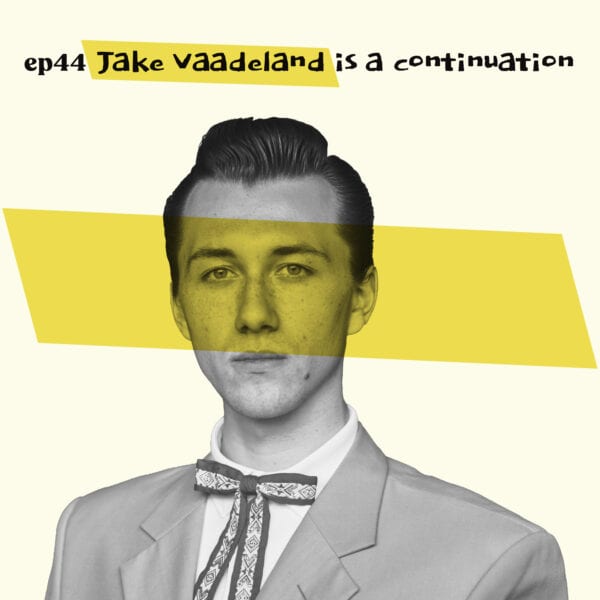
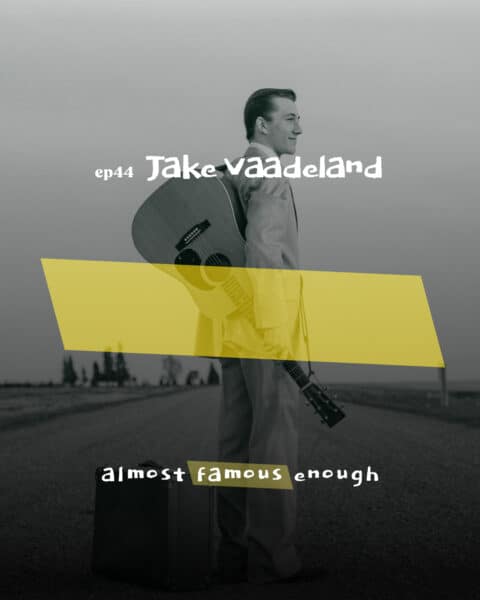
Jake Vaadeland is a singular force in the roots and country music landscape, blending bluegrass, rockabilly, and a pioneer sound that feels both nostalgic and fresh. Born into a lineage of Scandinavian homesteaders and musical families, Jake’s path took him from the Sturgeon River Ranch to international stages in the UK and Europe.
We dive deep into his songwriting process, discussing how he captures an authentic 1950s aesthetic using analog tape and vintage RCA microphones. Jake opens up about the “punk rock” move of leaving traditional school to become a full-time entertainer, his dedication to self-promoted tours in rural communities, and his recent Juno Award success. This conversation explores the traditional country values of a working musician who prioritizes live performance and human connection over modern marketing cycles.
Discover the inspiring story of Jake Vaadeland, a young Saskatchewan musician blending traditional prairie country roots with rockabilly and bluegrass influences. Jake shares his journey from small-town beginnings to international stages, winning a Juno Award and self-promoting rural tours, while emphasizing the importance of authenticity, showmanship, and staying true to oneself.
ep44 Jake Vaadeland is a continuation
released May 14, 2026
1:30:51
Key Topics:
https://www.jakevaadeland.com/
https://www.instagram.com/jake_vaadeland/
https://www.youtube.com/@jakevaadeland1712
hosts: Glen Erickson, Alexi Erickson
AFE: https://www.almostfamousenough.com
AFE instagram: https://www.instagram.com/almostfamousenough
AFE Spotify playlist: https://open.spotify.com/playlist/1o1PRD2X0i3Otmpn8vi2zP?si=1ece497360564480
Almost Famous Enough is a series of conversations centered around the music industry, pulling back the veil on what it really means to “make it”. Our podcast features guests who know the grind, who have lived the dream, or at the very least, chased the dream. Through these conversational biographies, truth and vulnerability provide more than a topical roadmap or compile some career advice; they can appeal to the dreamer in us all, with stories that can teach us, inspire us, and even reconcile us, and make us feel like we made a new friend along the way.
Chapters
00:00:00 Introduction
00:03:07 Family Names Ancestry Discussion
00:07:36 Jake’s Musical Journey Begins
00:12:36 Growing Up in Rural Saskatchewan
00:17:13 Musical Influences and Family Background
00:19:38 Niche Music Style and Identity
00:26:18 Finding an Audience and Showmanship
00:26:41 Nostalgic Roots of Music
00:29:11 The Evolution of Live Performance
00:32:13 Building a Touring Career
00:34:36 The Road to Recognition
00:37:32 Breaking Free from Conventional Paths
00:42:29 Embracing Individuality and Authenticity
00:49:00 The Art of Songwriting and Performance
00:51:53 The Roots of Songwriting
00:57:16 Exploring New Musical Directions
01:03:07 The Magic of Imperfection in Music
01:09:02 Navigating Career Anxiety and Future Aspirations
01:15:00 Post-Fame with Alexi
ep44 Jake Vaadeland is a continuation
Glen Erickson (00:01)
I was walking through the Vancouver airport with my friend and boss talking about music as we often do about more than just like a band or a song, but you know, the ethos of the thing. We both have kids the same age and he was talking about a book that pointed out how Gen X or for Gen X in similar ages, authenticity was like the golden rule. Being considered a sellout was the greatest sin that could be committed. Being true to yourself over love,
or money or fame. And to our shock that our kids’ generation didn’t give a rip about it. It feels impossible and I guess I wouldn’t say that they don’t care, but it definitely means nothing to them as it did to me. It was punk rock to me. It made sense to me when Bono claimed that U2 was punk, simultaneously pissing off a million others, because it wasn’t a musical claim, it was an ethos claim.
Country music has never seemed punk rock, never joined the crossover trend, especially the vintage version of country, know, a pioneer friendly version of sing-along songs, except for Johnny and Willie. Enter Jake
Vaadeland Most people see Jake with the pomade, the sharp suits and the 1940s grand old Opry aesthetic, and they assume it’s a carefully crafted
retro brand. But talking to him, you realize it’s not a costume. It’s a continuation. A kid from a heritage-infused small prairie town decides that liking what he sees in the mirror is all that matters, that the quote unquote dead air of the modern concert wasn’t for him. It’s a dedication to crafting precision showmanship.
on a stage as much as adorning his house with vintage furniture and family heirlooms that feels like a glitch in the 21st century matrix. Dare I say pioneers were punk rock, settlers were punk rock. They escaped to make the life they wanted in the face of enormous pressures. Jake is not a caricature, he is a continuation.
escaping the pressures of conformity to step into his truest self at a very young age and in the process finding an audience that longs for a thread to the authentic past in the face of a growing synthetic reality.
Jake Vaadeland
is a pure pioneer country artist,
a JUNO Award winner before the age of 23, a professional entertainer, and a damn fine young man.
My name is Glen Erickson. This is Almost Famous Enough. Thanks for spending your time with us. This is Jake Vaadeland
Glen Erickson (03:07)
Okay, well, I really appreciate the time that you have here, Jake, because I’ve been trying to get you on the podcast for a little while. And so that’s kind of fun for me, just because sometimes I go after people and then it doesn’t work out. So it’s fun when there’s somebody I had very specific interest in talking to, and then here we are.
Jake (03:29)
Yeah, no, I’m
glad it worked out. Yeah, no, I’ve been looking forward to it,
Glen Erickson (03:35)
Well, you’re a busy guy, you’re a busy guy, which we’ll talk about, right? So before, first of all, before I like get too far down a path of a mistake, my inclination is to pronounce your last name, Badland, Badland or Badland. I’m assuming some, a bunch of Scandinavian background. Am I saying it wrong though? Is there a proper way and everybody says it wrong?
Jake (03:51)
Right.
Well, I guess
we save Audland.
Glen Erickson (04:02)
Okay, that makes sense then.
Jake (04:03)
sort of like with the double with
the double a the second a substituting for the Norwegian or in Scandinavia they have an a with a little circle on top or an o on top giving it more of the all sound so it’s the va va vaudland you know so va vaudland yeah
Glen Erickson (04:15)
Yes. Yeah.
I should have looked that angle up. My last name’s Erickson Swedish, transported to Norwegian roots history. Yeah, so lots of common background there as well. Not that we’re here to talk about the ancestry or the nomenclature, but…
Jake (04:42)
no.
Glen Erickson (04:44)
Like for the Ericksons, mean, anybody who watches like NHL hockey and sees the Swedes come and play sees it spelled like three different ways. And I found out the interesting background of that is like the North American spelling quite often of Scandinavian names had to do with what port they came in on on a boat, you know, way back when. And, you know, one port would have
Jake (05:08)
now.
Glen Erickson (05:10)
a guy who was taking down everybody’s names, who was a total hard ass and wrote it down the way he wanted. And another one would write it down exactly as they spelled it. And so people would end up with these different spellings across Canada and North America. And I’m wondering, there any, is there, is it spelled for you the way it is, you know, in, in the Scandinavian roots or did it get sort of altered, altered across?
Jake (05:24)
Yeah.
Yeah, technically,
technically it’s spelled the same with the with our alphabet, the English alphabet. Because when I and I’ve heard that too about about different names, same names getting spelled differently, depending on where they came. Grandma and grandpa came into Halifax and they all they did was was substituted to second A for
for the single A that had the circle on top, because we don’t use that. So double A, and I hear that they’re sort of starting to do that over there too, like that it doesn’t matter what you do, they both mean the same thing. Double A or one A with a circle on top, as far as I’ve heard, I’m no expert on it, but we’ve toured over there too, and I’ve talked to some people. And I’ve got a lot of families over there still, I think.
Glen Erickson (06:04)
Yep.
Yeah.
Jake (06:26)
Over half of my family still lives over there. I mean, we came over here and one brother went, one of my great grandpa’s brothers went to the States, I think. So that’s only two of the siblings of that one family, but the rest of them are still there. And as far as I know anyway, and I know them quite well, better than maybe some immigrants over here would get to say that they know their family back home, you know.
Glen Erickson (06:35)
Yeah.
Yeah, absolutely.
Jake (06:50)
We’ve been here
1930 was when the homestead was done and my grandpa was born in 1933 here and then he was the first one here in his first language is still Norwegian and so it’s only been it’ll be a hundred years in a couple more years here so it’s not too long.
Glen Erickson (07:04)
Yeah.
Yeah, I mean,
it’s funny, right? Like it can feel when you’re young, like that’s an enormous amount of time. As I get older, I start to realize like three generations separation from, you know, from where your entire family history and roots comes from isn’t that long in the scope of history, right? That we, that we’re sitting in for sure.
Jake (07:31)
Yeah.
Yeah, no, I’ve thought about too.
Glen Erickson (07:37)
Well, yeah, let’s talk about where you’re at right now though in your music, in your career, in your life. I’m very interested. I got sort of connected to your name through seeing it, I think just alongside of a lot of other people that I follow. Obviously, I got a lot of friends and peers and spent a lot of time.
in obviously the country music scene, particularly the Western Canada’s kind of really, I feel like emerging country music scene over the last decade. you know, for me, you know, when you consider, I think the span of when you’ve been pursuing this and you’re very young, obviously, probably a lot of people like to talk about that point with you, but
the amount that you’ve done in the amount of years already at the age you’re at, I technically even, I think, showed up late to the game. And so, and for me, that was the the SiriusXM
Jake (08:26)
Thanks. Thanks.
Glen Erickson (08:40)
contest would be the thing that often we get across.
Jake (08:42)
yeah.
Glen Erickson (08:43)
My radar, somebody I had worked with and known, Haley Benedict, I think was the year before yours that had competed in that sort of prize. And then you were a part of the year with like Noelene Hoffman, another great talent out of Southern Alberta. And I just thought, I remember looking at it and thinking like…
Jake (08:47)
All right.
Okay.
So, thank
Glen Erickson (09:07)
There’s a lot of different sort of national, either we will call them contests or different things that sort of push some people to notoriety. But I think when I saw that, was like, wow, that’s feels like a heavyweight boat going on here for the talent sort of emerging.
Anyhow, obviously immediately impressed, immediately need to know more of the story. Probably like a lot of people, Jacob, I don’t want to be able to get into this with you about your own background and
your interests and loves, but, you know, immediately kind of get struck with probably the question of like, you know, this kid looks really young, doing very, very vintage.
music pulls the aesthetic, is it gimmicky, is it not gimmicky? So I did the deep dive right a little bit very early on. So, but definitely making an impact. So why don’t I know you have new music coming out, which you’re probably really excited about. Let’s, let’s backtrack a little bit, because I’m a little interested in your, we’ve already touched on a little bit of the upbringing with the, with the family name and history, but
I’m really interested in, you know, a young guy getting out of very, very small town Saskatchewan with a very, very distinct niche sound. All of that is really interesting. So why we do like the American Idol backstory, you know, and talk about Cut Knife Saskatchewan and how you kind of got into this. I’m assuming, I think I had read…
the sort of common story of a family of musicians. Is that sort of how you sort of got put on the path?
Jake (10:46)
Yeah, pretty much. like, yeah, it’s kind of gotten now, Cutknife gets to take credit for for being the hometown. It’s where I live now and I finished school here.
But I hadn’t lived here until, because my mother’s hometown and her family, and then she got married to my father and joined the Wadland family. So I grew up where they had settled at Homestead, the Wadland Homestead was or is in Park Valley, Saskatchewan, which is central. that what Park Valley is just the name of an area.
Glen Erickson (11:15)
Okay.
Jake (11:22)
and there’s a cluster of them, like there’s Lake Four and there’s Park Valley and there’s Stump Lake and so on. And then the closest towns are Debden and Big River. So the best way to explain it is it’s kind of just right in the forest between Big River and Debden. And I grew up on a ranch there with my parents called Sturgeon River Ranch, which is…
Glen Erickson (11:41)
Okay.
Jake (11:46)
Well, you know, right beside the Sturgeon River the house was. So that’s why I call the guys the Sturgeon River boys. And then so, yeah, no, I spent a lot of my time there and growing up and got bused in. I was the first one on the bus and the last one off. We lived the furthest that you could get away unless you were on the other side of the Prince Albert National Park. But we were right on the border of it. So you couldn’t, you know, you can’t live in the park. So it’s on the.
Glen Erickson (11:48)
Mm-hmm.
Yep.
Jake (12:13)
on the other side of the river and the warden station is on the other side of the river. You could see the log warden station where the park warden lived and stuff. so yeah, I’d get bussed into school and all that. then parents separated and my mom came back here to Cutknife where she grew up.
Glen Erickson (12:22)
Yeah.
Jake (12:36)
And so she got a teaching job here because she was actually responsible for a lot of the or a handful of the pre-kindergarten programs that got started up in Saskatchewan. And like she started the one up in Big River and did some work in Saskatoon. And then now here in Cutknife, she was hired to start up a pre-kindergarten program for early learning and stuff. so
she got that position here and we thought, that’s just great. So we come here and then I’d go and still had a lot to do with Big River and the farm and stuff. So I’d just go there on the weekends and summer holidays and work on the farm and rake hay and work with the cattle and all that. And then I finished.
Glen Erickson (13:13)
Mm-hmm.
Did you have to
pick stones though? Did you have to pick stones?
Jake (13:22)
I don’t remember doing that as much as other people complain about doing it. know that was a big thing, but I think, yeah, I know. I mean, raking, was annoying when I’d see one and I’d have to stop and go pick it up and put it in the tractor with me until I found a place to dump it because often I thought, well, I’ll just go over it and forget it ever happened. But then you think that it’s not actually my equipment I’m using, it’s my family’s equipment. And if I wreck it, know that.
Glen Erickson (13:27)
It’s the worst. Yeah.
Yeah, yeah.
Jake (13:50)
So I would always do that, but it was tempting to just forget about it and try and cover it up. no, but anyway, so yeah, that’s how I ended up in Cutknife. then I’ve been here like I, mom and I lived in this house that I have now and she was going to move and I just fell in love with this place as an old character home. And I really liked that old stuff and the character of these old houses and stuff. I.
Glen Erickson (14:18)
Mm-hmm.
Jake (14:18)
thought well I
couldn’t lose the place so I bought the house here and I’ve got this place now and it just so happens that that’s in in Cutnife and so I’ve decided to stay stay here but all my family’s still in Park Valley I still I just got back from there the other day when I got back from Scotland here I want to go visit grandparents and stuff so that’s all good but yes circling back now to where we’re starting there with the family being musical both mom and dad were in
were in groups when I was growing up. Bluegrass groups, mom was doing more Celtic music because her family was more Scottish and stuff so she got into that and with the Scandinavian homesteaders in that area they all kind of got into the homesteader music, more bluegrass style music you know. so that was the main thing that I grew up with there was that pioneer music like the
Glen Erickson (14:55)
Hmm.
Yep.
Jake (15:11)
you know, the Carter family type stuff and all that bluegrass. And it wasn’t so much listening to it as it was here playing it and hearing it. So before I had ever heard the recorded versions of these things that were also recorded in the twenties and thirties, it was that we were playing it and people would come over out there today and play in the kitchen and whatever. So yeah, no doubt worked with a couple of groups and you know, was
Glen Erickson (15:13)
Yeah, yeah.
Yeah.
Jake (15:38)
I was successful with a little bit, played, did some good tours, more so opening for big names and stuff and that’s about as far as they took it and then hunkered down with the, he did a lot of work for Canadian Parks and Wilderness Society so that became a big thing and conservation and all that and helping with lot of land things and all that. So and then of course, mom focused a lot on her career then at that time too with
Glen Erickson (15:47)
Mm-hmm.
Jake (16:04)
teaching and getting those things started up. So, but she did continue with that Celtic band up until recently, Back of the Bus was their name there around Saskatchewan. They still tour I think. so, yeah, so I had all that growing up and, but I say, I guess I was born with it. I hardly had any trouble learning anything. I was really lucky. Everything came to me pretty fast. I never had to learn to sing or anything like that. That just kind of happened.
Glen Erickson (16:16)
Hmm, that’s great.
Jake (16:32)
picking up instruments was easy and so I don’t necessarily, my dad was a good musician and singer but it doesn’t necessarily come from his side of the family. He just got lucky or learned how to do it but past the knowledge of just being born to know how to do it, I think that comes from my mother’s mother’s side of the family, the Taylors. And they are just by nature very musical bones and they can just do it, born to do it.
Glen Erickson (16:53)
Hmm.
Yeah.
Jake (17:00)
And so, yeah, I got to give them that side of the family the credit for just being the lucky ones with the gene. both parents were very good musicians and that is basically where it started.
Glen Erickson (17:07)
Yeah.
Yeah.
Well, I made a joke about it being like the American Idol backstory, right? Because of the way they kind of always frame those things. But I find that really interesting how you sort of frame that for yourself of just knowing how to do it, call it luck or call it what you will. you know, because I think that’s a very common thing is a lot of people start out and they just sort of, you know.
you know, say that I was born like with a mic in my hand or some version of these sort of, you know, stereotypes or cliches that we use, but it doesn’t always play out for everybody. Like a lot of people might feel like they started out like that. doesn’t always play out. It obviously has been playing out for you. I think it’s important. Like you were telling a bit of the story of the area and you know, where you’re back and forth sort of between, you know, a cut knife where your mama’s from and then where you’re
where your dad is from. I don’t think a lot of people would even understand the makeup of rural Saskatchewan or kind of rural Alberta, but especially rural Saskatchewan. I grew up in Rosetown, Saskatchewan, by the way, until my teen years.
Jake (18:18)
yeah.
Glen Erickson (18:19)
And Cut Knife, that’s like what about a half an hour, a bit more 40 minutes straight west of North Battleford, which is kind of central. You know, that’s pass through on the Yellowhead Highway going to Edmonton from Saskatoon. You know, all in that range, you know, the podcast doesn’t need to hear one of my great
Jake (18:25)
Yeah.
Glen Erickson (18:42)
crisis, tragic moments of my life was a crazy car accident right by Payton on the highway when it was still only twin-laned when they hadn’t doubled it. yeah, crazy snowfall, et cetera, et But we used to call that Death Highway while it was still just single-laned and not doubled, but crazy area. I guess between the musical roots and…
Jake (18:52)
Okay.
Yeah.
Thank for saying.
Glen Erickson (19:13)
Getting started, I guess I have a real interest in how you’ve gotten started. And I know there’s a few layers here and I may go down one path and not end up back down the other. But I guess what’s really interesting to me, Jake, is you’re doing a very niche kind of thing. And niche is an interesting term itself because you are like a true
throwback and I want to make sure I try to use the right words because everyone will throw every version of vintage or retro or throwback or whatever you want to call it but it’s just so clear like that you like fully embrace and and walk the talk so to speak of of that it’s not just a musical style and a performance aesthetic it’s literally
like the things that you love and you’re embracing and you’ve sort of made them part of your own identity. And the niche part of it is that it’s a style, this blend between rockabilly as it sort of came out of the country rockabilly, you know, this deep South American blend of bluegrass into.
know, rockabilly into these things and people just throw it under the umbrella of country. And then we get all goofy with the genres. know, but you’re, but you’re doing this thing that sounds like the very first song I heard of yours was,
Which immediately felt Johnny Cash to me, right? Like just sort of the pure, like Johnny Cash, he jumped around a bit too with like where he landed in his music sometimes. But that middle version to me of very on the nose Johnny Cash feels very comfortable for you. But before even about that,
Jake (20:42)
Yeah.
Yes.
Glen Erickson (21:03)
niche of itself is to me this idea of like how does a kid from you know cut knife is 500 550 people the makeup of rural Saskatchewan is like you were describing it like these areas that are given a name that basically have to sort of
you know, collect a whole bunch of areas where people have homesteaded, as you say, like a collection of ranches in an area on this side of a river and then another collection over here, you know, 20 miles down the road on the other side of a river. you know, we sort of put them into a boundary group and give them a name because people are just spread out. It’s a different, it’s such a different life than I think most people.
understand or even realize continues to happen to this day. Everyone through media and internet is so urbanized in their thinking, I think. And to me, the real interest here, Jake, is like, how does a kid like you’re like being a kid in your teens with this love for this thing that you’re pursuing, how do you start to even find an audience out of like the middle of Saskatchewan small town?
Jake (22:10)
Yeah, well, I tying it back to the Taylor family there that was so musical, like, well, and even growing up, didn’t, nobody was ever pushing to do it for a living. It was just what we did at the end of the day, you know, and played so.
Glen Erickson (22:23)
Mm. Yeah.
Jake (22:24)
Nobody had ever thought of me, we were all farmers or whatever, know, prairie type jobs, but nobody was going to go out and necessarily do that. so I figured I was bound to just be a cattle farmer too, or some sort of thing. And then I learned banjo and got into the history of it, of the music business, not a very…
ancient history either like just as recent as the 1940s and the Grand Ole Opry and people like Earl Scruggs and Lester Flatt and Bill Monroe and sort of the beginning of that whole operation and just how that worked. So I was you know and learning the banjo and stuff. I learned about that and how you know musicians or people that were just living in the country like Earl Scruggs just grew up on
Glen Erickson (22:54)
Mm-hmm.
Jake (23:15)
on the ranch or wherever and he ended up getting picked up by Bill Monroe to play banjo for him and got a full-time job on the road and it just happened unexpectedly like that for a lot of different young people that could play and then that you know they got full-time work and they were realizing you could have full-time job doing this. So I thought maybe when learning the banjo I like you know play the bluegrass music and stuff I thought well if
Glen Erickson (23:27)
Hmm.
Jake (23:41)
I’m lucky I’ll get picked up by a group and then I can just play banjo and sing tenor or something for a fella if I could get hired. then I started looking into the showmanship of it. Like that was just music. But then I discovered this whole entertainment side of it. Like it’s not just music, but everything about those Grand Ole Opry fellows.
Glen Erickson (23:50)
Hmm.
Jake (24:06)
Ernest Tubb and Farron Young, Lester Flatt, they were just really good entertainers. They, and it seemed to be the ones that only knew how to sing lead and strum a guitar. They weren’t the fancy pickers or anything, but they, like Ernest Tubb, wasn’t, they say, I mean, I like his voice. They say he wasn’t the best singer or guitar player. You can see him in his videos constantly looking at the neck of the guitar to see where he’s supposed to put his hands.
Glen Erickson (24:22)
Yep.
Jake (24:33)
And most professionals don’t do that, but I think it’s pretty cool to see that he’s human when he’s doing it, you know. But he was always the host of the Opry a lot, and he was a great entertainer and a great voice just for speaking, not just for singing, you know. And so I realized that I hadn’t seen that before growing up now and watching whatever shows are on now or even television. There’s not a lot of…
Glen Erickson (24:38)
Yeah.
Jake (25:00)
entertainment professionals doing that or shows that even think to have it set up that way or running that way so tight-knit and stuff and everything can be pre-edited and stuff like your commercials and sponsors and stuff you can just go to commercial break and let the computer take care of it and line it all out and then press play on that or however they do it but at that time say the Opry or whatever program had a slot
Glen Erickson (25:09)
Yep.
Jake (25:26)
well that’s their slot and they have to put the sponsors in that so these actors or these musicians or these frontmen or whatever they’ve got to stop and they’ve got to know this advertisement and the jingle and you know it’s live TV and so they with a live band and all this stuff so let’s say pet milk company or or Campbell’s soup was sponsoring something a show or a televised show you know they’d have to do the ads and
Glen Erickson (25:45)
Hmm.
Jake (25:52)
and just bringing out different acts and stuff. So it’s a whole thing I could go on and on. But when I saw that, I realized that I got really passionate about that, wanting to… Well, I just felt like nobody else had seen that. Nobody my age knew that this level of showmanship and professionalism existed. So I thought, well, I guess I’ve got to bring it back.
Glen Erickson (25:56)
Yeah.
Yeah.
Jake (26:18)
So I decided to learn acoustic guitar and try to be a frontman instead of just getting hired. So that’s where it began. And then as far as finding an audience, I guess that could just be luck, how it happened, or we started touring in Saskatchewan. And I guess a lot of those people can maybe relate to the music that I was bringing.
Glen Erickson (26:26)
Yeah.
Jake (26:41)
you know, them on the… going by my grandparents’ stories and stuff, growing up with… if they got their first radio or even just a phonograph machine, if grandpa said his brothers would come back from the store with… on horseback with 78 RPM records stuffed in the saddlebags and they’d play those and that was Wilf Carter and the Carter family and all that stuff. So that’s the music that was… that’s people out here anyway.
Glen Erickson (26:59)
Hmm.
Yeah.
Jake (27:07)
listened to at the end of the day and when they’d get their first radios, grandpa said they tuned in if they could get it to the Grand Ole Opry and stuff too. So, you know, I guess maybe it registered with people here that we were doing this and that it was almost fresh again because like I say, I don’t see that anymore. And that’s what we do with the live show. It’s not just the music, it’s that entertainment and it’s…
Glen Erickson (27:34)
Yeah.
Jake (27:35)
We throw ads in there and stuff for Pomade and all that kind of stuff. So that’s what I wanted the show to be. I wanted it be an entertaining show with no dead air, one thing to the other, song, talking, filling the space. And just never a dull moment where the audience is sitting there in suspense with dead air wondering what’s going on. You do the thinking for them and they get what they paid for and it’s worked.
Worked out well.
Glen Erickson (28:03)
Yeah.
Well, that’s a cool point, Jake. I mean, you’re alluding to what happens a lot, I think, in live performance in music now, which is the audience is very much feels like.
you know, an audience, a projected audience in a way, if you’re sitting there and you’re just waiting for somebody on stage or a group to do what they do when they want to do it, and you’re just waiting for it, which is a very different thing than what you’re talking about. And it makes me think like, I’m just old enough to be that when I was very small, like on black and white on a TV in my house when I was very young was like the Lawrence Welk show. And, and some of these, you know, very
these retro performance, like variety shows that we’re on, the absolute, like you said, the professionalism, the pacing, the tightness of the performances, there was no gaps, all of that kind of stuff. Very interesting that you would observe all of that and want to sort of make that a part of the entire piece. So like finding gigs around Saskatchewan,
Jake (29:03)
So.
Glen Erickson (29:11)
festival season in the summer, if there’s sort of more, you know, little like towns having their town fairs or things to play or things at a Legion or, you know, or someplace where you’re playing for older people. Is that how sort of that grew?
Jake (29:24)
Well, I guess I’ve never really thought about that part what we did was Like I started working with a fella and I’m still where he’s been with me since the beginning of it Since I started this show so five
be just over five years now. And his name is Joel Rosen, it’s actually kind of funny, two years after working together, we found out we’re related. So you can’t be any more Saskatchewan than that. So we call each other cousins, but he plays electric, baritone guitar in the group. But he actually, I mean, I started out booking us, booking some things for myself in the beginning, as anybody would, and I don’t miss that at all.
Glen Erickson (29:44)
yeah.
Ha ha ha.
Yeah.
Jake (30:01)
But
he decided to take that on. Because he was in the scene a little bit with, he was the sound man in tech at the EA Rawlinson Center for the Arts in Prince Albert. he had a lot of connections and had worked here and there in the business and stuff, like Saskatchewan locally. But we basically just thought instead of
waiting around for festival season and maybe get a show here or show there or say like, here we go with American Idol again, say we get on that and get a chance to showcase our stuff to the people. thought, well, let’s just go and tour like they used to and go to all the communities and set it. So, you know, he started out by just calling all the little old ladies at the arts councils and in the small towns and put shows together.
Glen Erickson (30:43)
Yeah.
Jake (30:53)
door deals, you know, whatever. And we went around in his Chevy Tahoe and played just as a three piece, me and him and a bass player. And we played in all those little town halls, Legion halls, like you said, and, you know, for crowds of around a hundred people that would come out to the show in these small towns, you know, they get excited when, you know, when there’s something like that. And that doesn’t really…
Glen Erickson (30:56)
Yep.
Yeah.
Jake (31:19)
And especially a show like that that would have come around at the time that I’ve been trying to… That I’ve been influenced by rather. And you know, it just kind of grew from there because then we really… People saw us. It wasn’t just hoping that this one festival we got booked for would be our big break or whatever, you know, we went out. And so you do that.
Glen Erickson (31:29)
Yeah.
Jake (31:47)
for a year, a couple of weeks a month. And a lot of people start to see you and we were selling some merch and had some music online. And yeah, like, mean, it was maybe an older crowd, I guess, to begin with. And that maybe is what kind of got us on the map a little bit. And then we’d expand. We’d go to Alberta or to Manitoba. And then we did a run in BC. And, you know, it was…
Glen Erickson (32:09)
Mm.
Jake (32:13)
We slummed it at that time, not that we don’t anymore, we were just going to get our name out there. And pretty soon we added the banjo player. And from there we signed with, we started working with an agency and stuff, but we still do a lot of self-promote tours, because that worked for us then. And festival season two, we…
Glen Erickson (32:28)
Hmm.
Jake (32:39)
we did festival, we still do, like that’s always good, but we are still really committed to the road. We’re on the road a lot and we tour and we want to go everywhere and play for everybody and play as many shows as possible. And I think that really helped us at the start because we just made sure we were visible and made sure we made a stop in almost, you know, as many places as possible.
Glen Erickson (32:59)
Yeah, mean, not a lot of people are willing to do that, right? When they start out, I think a lot of people have these visions of success and you, like, even before you get to the point, I want to talk about how you kind of got to that point of being signed for sure. But I mean, you were given an honor, which I think probably people don’t know exists as an honor. But then when you read it, you go like that SEMA award, the Canadian Independent Music Association.
You know, has this road gold certificate, you know, and basically that means in a, in a one year span selling, like being able to authenticate selling 25,000 tickets in a year. I’ve, I’ve talked to lots of people on this podcast. Jake can even had my own spell of touring back and forth across the country. It’s a difficult country to tour. You’ve now been to Europe.
Jake (33:36)
Mm-hmm.
Glen Erickson (33:47)
you know, even areas of the States you’ve probably already learned are way easier to tour larger centers are much closer together, easier to access larger people groups. Canada is a tough, tough, tough going unless, you know, to some people in their career would look like there’s
a dozen, two dozen venues available to them at most. Whereas if you’re calling up the little old ladies of every arts council in towns across Saskatchewan, you increase obviously your opportunity significantly, but 25,000 tickets in a year is a pretty great accomplishment. So that commitment to the road has obviously been the thing that paid off for you, I think, as would you call it like.
really kind of your primary catalyst to growing an audience and getting where you are.
Jake (34:36)
I think so, because, well, like, see, I really like the show, the live show. mean, the recorded music is one thing. We put that out and all that. But I mean, that’s, and people like that, and that’s something for them to buy, but you got to sell it. You got to go out and, like, you can’t just
You can put it out. I could have just put it out and let people hear it, but I wanted to tour it and go and bring it along and not so much tour an album like we’re touring all the time. If you have a new record and you go and you tour the record and then you go sit at home and stuff, it’s more so touring comes first and then if we have a new record, we’ll bring it with us and sell it. But it is the touring and the live show and the entertainment. I’m really, I want it to be a working entertainer.
basically on the road and I guess that’s why we started that way. I need fulfillment at the end of the day. I mean, I was raised on a farm so I can’t get to sleep at night if I’ve sat around all day. I didn’t want to, and I still don’t want to ever just sit back and let the music do it. I wanna go out and see people and tour and entertain and put a smile on everybody’s face. And so I didn’t know that certification existed.
Glen Erickson (35:23)
Hmm.
Jake (35:46)
either. don’t care either. I would have done it with or I didn’t do this to get that certification. Somebody kept track of it. I don’t know who it wasn’t me. Somebody said you sold 25,000 tickets. Here’s this thing. you know, which is great. I’m happy about that. It gives me fulfillment at the end of the day to know that I’m working on my feet.
Glen Erickson (36:08)
Yeah.
Jake (36:08)
and playing for people and touring, I’m not just sitting around, so.
Glen Erickson (36:12)
Well, especially if that’s where your values lie, right? Like, and I’m sure you’ve like spent enough time around the industry now to know that how much that essentially flies in the face of like the model that’s been in place for the last couple of decades, right? Which is the album cycle and then sort of just being driven by marketing departments, not by the artists themselves of, as you said, release a record and then you go tour the record to promote the record, to sell the record.
Jake (36:32)
Yeah.
Glen Erickson (36:39)
which is now, you know, I think in current times being deeply challenged because selling a record isn’t the thing that’s gonna, everyone would think is going to pay your bills anymore. It’s just not thanks to the Spotify model and such. So, this idea of a working musician, you know, might be coming back on, on the backs of more people than, than we think, but
Jake (36:55)
Okay.
Glen Erickson (37:04)
But definitely, I think that’s really interesting because you’re carrying not just a sound and an aesthetic and a personal preference
for an older era’s approach to the music and the art form and the lifestyle itself, but even right down to that concept of being a professional entertainer.
Jake (37:16)
So. So.
Glen Erickson (37:32)
where you go and
keep playing like that. Well, actually, let me ask you this question. So at what point in there did it start to creep into your mind, maybe this is a full-time gig and I’m not bound to be a grain farmer or a cattle rancher or something in Saskatchewan. When did that start creeping in for you?
Jake (37:36)
Thanks.
Well, I guess I had two things going on because I was still in school and I’d come here and I’d be in school and I’d then go back to the farm. So, you know, you’re in school and you got the expectation to do good and finish from the teachers too. Like mostly for me, I’m talking about the teachers, know, always on you to and very
academic minded like that was the only way to succeed in life. But I always thought, well, there had to have been a way that we did it before this to have a life as a human. You know, I’ve just wasted 12 years of my life in this institution. And, you know, and now, what comes after that more years of university? I don’t think so. That’s I want to start doing something.
with my life. I don’t want to sit in school anymore. And then, you know, I’d go to the farm and it was, I just thought, how many farmers can there be? And, you know, I’ve got a big family and the extended family was always my family. We didn’t have our individual families. We all lived out there together. And so that was another way things were different. So I had these things going on, you know, family wanted me to.
Glen Erickson (38:58)
Mm-hmm.
Jake (39:04)
do not my parents necessarily, but the family was kind of shaping, helping me shape my future into being with the farm and the cattle. And school was, people at school and, and the sort of the religion, I almost call it, of school and academics were also very pushy and trying to pull me in that direction. And, and also contradicting each other too, because
At school, they’d say, doesn’t matter, you have to graduate and go to university. And I’d say, well, what if I want to be a cattle farmer? It’s all I’ve done. don’t, could quit school right now and know how to do that. Said, no, you should go to take agriculture in university and to do that, you need to graduate high school. And I thought, well, my great grandpa that came over here at the age of 17 didn’t, didn’t go to agriculture school. And he’s the reason that I’m here now. So.
Glen Erickson (39:46)
Hehehehe.
Jake (39:56)
You know, I just decided to kind of back off the whole thing because then I started with seeing all this with music and I thought I got it. I got it. At least try because I had this in my mind. There’s got to be something better so that I can live my life and enjoy my life doing what I want to do instead of instead of being somewhere. Being a.
cookie made out of a cookie cutter shape. I wanted to form my own life. I didn’t want to let society do it for me. so I figured it was better to try because then at least if it didn’t work out, I tried and I could just be a cattle farmer or do something that I didn’t need school for. But because it’s better to aim high and miss than to…
Glen Erickson (40:22)
Mm-hmm.
Jake (40:42)
than to aim low and hit the target that you’re shooting for. It’s better to try. So I tried and that’s where it came from was the pressure, both these things. And I just broke out from either of them and thought, you know, I just want to go and promote this too with my music and my lifestyle, as you can see. I mean, you’ve mentioned it a few times, the vintage thing. I hardly think of it anymore. This is just, you know, I wake up in the morning and I put this.
Glen Erickson (40:53)
Yeah.
Yeah.
Jake (41:08)
type of thing on and I grow a garden and I’ve got the whole house is decorated like this. mean, Speaker, you probably realize how important my family is to me. These are all pictures of my ancestors up here and stuff. And it’s just become my comfortable thing. And by doing that, I hardly think about it anymore. I don’t notice that other people aren’t the same as me or that I’m different rather. I just feel like we’ll all work together now because I…
Glen Erickson (41:19)
Hmm.
Jake (41:31)
I can get along with people because they let me be myself and they like me for being me and I like them for being them. So I thought with the music and entertainment, I can also promote this to young people too, that there is, you got to remember who you are and be yourself and go and have a good life. Like live a good life, build a good life, have fun working for it too. Be passionate about how hard you’re working to do something that you want to do because a lot of kids
Glen Erickson (41:48)
Yeah.
Mm.
Jake (42:00)
I feel like if they felt like me, just feel that pressure and they don’t know what to do. And so they just go down the path of school and university and they’re miserable. And then they’re paying off their student loans and eating ramen noodles in a dorm room with four other people and working shifts at Starbucks and McDonald’s just to pay off, you know, and I can’t imagine. So I high-tailed it out of there because I didn’t want to have anything to do with that and decided I’d…
Glen Erickson (42:15)
Yep.
Jake (42:24)
through my music, encourage other people to aim higher.
Glen Erickson (42:27)
Hmm.
And the funny thing to me is that story Jake sounds like so punk rock too. And they like, obviously the music is like so far away from punk rock, you know, but.
Although sometimes bluegrass feels close cause that like that love of speed, you know what I mean? Like the speed playing part of bluegrass, but, it’s so punk rock. there’s some, I’m trying to think of what the most famous storyline in a movie would be I have these two different sort of pressures in real life and around me that you just don’t feel like I don’t fit in either of these. you know, what’s going to give, right? You either cave in or.
Jake (42:44)
Yeah.
Glen Erickson (43:03)
you break out and your choice to break out. And I remember reading a little bit about you, that you started choosing to adopt just fully like this is who I am, even like the clothes you would wear back in high school. Now I think like most high schools are ridiculous for pressure and not usually the place for standing out and being different.
Jake (43:10)
Thank
Yeah.
Glen Erickson (43:28)
I can’t imagine maybe what small town Saskatchewan would be like. Small town Saskatchewan for me, which is decades before you, would have had zero tolerance for anybody standing out and being different. Did you feel the impact of those choices pretty quickly? Was it a hard place to stand out in?
Jake (43:47)
yeah.
for sure, yeah, like it didn’t help that else. You know, they’ve got you scared and thinking that you have to stay here.
Glen Erickson (43:54)
Yeah.
Jake (43:57)
and that there’s no other way and that you’ll be homeless and you’ll fail and you’ll starve to death if you don’t. So, you know, they scare you into it. You know, they’re adults, they can do that and it’s this whole system of society and they can do that. So I started saying, well, you know, even the kids, they wouldn’t agree because they’ve grown up this way and their parents drill it into them, the teachers drill it into them, you have to do this. So they don’t want to listen to me. Of course, they’re going to fight for…
what they’ve been doing. Some of them were staying after school for three extra hours to get credits. Of course, they’re not gonna be happy if I’m telling them they don’t need to do that because they’ve already put so much effort into it. They wanna believe that they’re doing the right thing. And some of them are, that’s good for some people. And I never tried to tell anybody they didn’t have to. I was just saying, I’m not gonna do this because there is an open door right over there and we can all just leave, but we never do because we’re so scared about it. And they didn’t like that first of all. And then also,
Glen Erickson (44:31)
you
Yeah.
Jake (44:49)
this whole thing here didn’t help either because
But yeah, no, it wasn’t the best place to try that or not to try it but just to decide to do it but I was kind of sick of waiting but I definitely felt more comfortable dressing like this.
It doesn’t have to make sense to anybody else, but wearing, wearing shorts or, or, I’d eat his pants with sneakers and a hoodie and whatever. and that’s all that matters. I don’t even really, it’s not that I need to explain it to justify it, but it just, I didn’t like it. I didn’t like it and I didn’t want to wear it. And I liked wearing this. It felt better. I knew.
Glen Erickson (45:22)
Yeah.
Jake (45:28)
that when I looked in the mirror that I thought I looked better wearing this. I felt more confident going to school or going out with a tie and a jacket and looking good and stuff or trying to at least trying to look presentable and feeling put together. So I did that and it got, it did get so bad that I did leave. I did leave school. I left in grade 10. I wish I had dropped out completely because now, now I’m
Glen Erickson (45:42)
Yeah.
Jake (45:56)
turning 23 in about 10 days and looking back, I don’t remember a single thing that I learned in school, not a thing, only the art classes. I’m still terrible at math, I never learned how to spell, I can’t do multiplication, you know? And so I’m just thinking, but you know, it’s good. But I did finish, I did, I went online, if you can believe it or not, I toughed it out and figured out how to use a computer because that was
Glen Erickson (46:04)
You
Yeah, well, I mean.
Jake (46:23)
easier than all the nagging from the kids who you think. I mean, they’re not mature yet. Of course, they’re going to be idiots. But I couldn’t believe that even the adult teachers were being so immature as to pester me for what I was doing and what I wanted to do. They’re adults, you know, they should, and they’re teachers. Their job is to bring up these kids and teenagers and help them grow into adults that are mature and
I had to get out of there because everybody was immature and just making fun of me and bullying me. Teachers and students, 100%. So I left and I finished here in this house. And to tell you the truth, it was a great decision because every morning I’d get up, I wrote a handful of the songs that I’ve got out, probably that whole first selection of the Retro Man era.
Glen Erickson (46:56)
Hmm.
Jake (47:17)
all those I wrote before I graduated in about grade 11. And I would only put two hours, I can say this now, because I finished. It made me feel bad at the time because I thought I was slacking. But I’d probably only put in two hours a day into school because I was so busy. I’d wake up in the morning with all these ideas of like Retro Man. That was written about what I just talked about in school and House and Pool. That’s about, you know, I don’t need to work all my life going through all these stages.
Glen Erickson (47:27)
Yeah.
Yeah, yeah.
Jake (47:45)
and then get a job that I got because I went to school. And then when I finally retire, I have all these things, but my doctor tells me I can’t swim or else I’ll have a heart attack. So why would I get a pool and a big mansion if I can’t even walk up the stairs and swim in the pool by the time I finally retire? that’s what I wrote all that stuff about. And I would put two hours a day into school max because I was too busy writing songs and playing guitar and all this stuff. And my mom was a teacher, so she was gone at school.
Glen Erickson (48:01)
Yeah.
Jake (48:13)
So nobody was here telling me to get back to work and that. And I still finished early somehow, miraculously. I still finished two months before you would usually finish if you were paced in school. And I’m happy I did. I’m glad that I graduated, it’s fine. I’ve got it. So I’m still proud of myself for that, but it was definitely a struggle.
Glen Erickson (48:17)
you
Yeah.
Yeah.
No, I think that’s great. mean, that’s an amazing story, Jake. mean, you know, and not being not advocating one way the other, I just think the willingness to still do it and push through, you know, even though it was an unconventional way and just to be able to be able to close that chapter and stuff and still kind of endure is a good mark of character. You know, even if you have a different message.
Jake (48:57)
Mm.
Glen Erickson (49:00)
I think it really shows a lot of character to say like, this is sometimes what we have to do. You feel good about it. Let’s talk about the music a little bit, because it’s one thing to just talk about the aesthetic and the like, I grew up and this is what I love and this was what was around me and this is what I’ve really attached to for my identity. It’s a whole nother thing. Like I could ask you like, when did you get signed? it always comes back to…
you’re doing something right. People like what they’re hearing. They want more of it, right? You sell more tickets, people ask for you. They start asking for you. Like that’s natural that you can always tie back to there’s something good there that people love. They love to hear, they identify with, they enjoy seeing. But to be able to do all that, you have to be able to write it. And I think a lot of people mistakenly think because we’ve heard
because we’ve had like, you know, almost a hundred years of the Carter family or because we’ve had, you know, like 70 years or 60, 70 years of Johnny Cash music around with us, or, you know, all these other versions of how long we’ve had the Opry and all the music that the Opry has produced and introduced us to. I think people can make this bad assumption. I’m talking especially about other artists that like that would be, those songs would be
too easy to go right as opposed to just go writing what they air quote inspires them or whatever. But I think that’s completely false. think just because the music has existed for a long time doesn’t mean it gets any easier for any of us to go and write. Like if I were to dig down on my blues certain, and there’s different versions, but even like.
you know, a picking style of blues, even like if I’ll get it more on the nose, even if I like decided I’m just gonna like live with BB King in my ears for the next year, there is no guarantee I could even come close to writing a song that have the feel and the heart, the authenticity or the chops of BB King, which is from another era. So.
I say all that to say like, you telling me that you wrote the Retro Man songs, era songs in grade 11, which is very young. And one of the very first things I struck with when I just kind of put your Spotify thing on play and just let it run was the consistency. And I’m to be really honest, there was a couple of times on a couple of tracks that I even went and checked the song credits because…
I had this hint in my mind, well, like maybe he didn’t write this one. This sounds like way too authentically 50s, you know? And every time it was you, every time. It’s your song. So you have just, that is the part to me that is so incredibly authentic, is your ability to write these songs. So.
Jake (51:26)
Okay. Ha.
Glen Erickson (51:52)
You’ve been doing this for a few years now and you’ve like, to skip a whole bunch of steps, you’ve been able to tour all over. You’ve been able to tour all around Europe. Like you said, on the road is more than just spreading a few provinces. You’ve now been able to make that big jump that everybody wants to make that jump and it’s built on
Jake (51:53)
.
Glen Erickson (52:16)
the song. So I’m interested in how…
Like, did you deeply study even the structure of the songwriting, the way you studied the history of the Opry, or was that more in the what came natural to you part of what you described yourself as earlier?
Jake (52:37)
there’s songs that I like and that’s the type of music I…
Like I say, you’ll have a hard time getting me away from how I grew up and where I grew up and all this. I always, I somehow managed to tie that into everything. But like I say, that’s the kind of songs and structure of, I mean, for example, but just got back from Scotland. mean, all the fiddle tunes, they’ve been playing there for hundreds of years and they all just know those by heart and that’s in their veins. And I listened to that, I’m, I couldn’t do all these changes and stuff.
Glen Erickson (53:01)
Yeah.
Jake (53:07)
So it’s just what I grew up with, with that kind of music around the farm at the end of the day and all that. So it was, it came natural to me to, when writing a song, go with what I knew and how a song structure in that culture of mine there would have been constructed. So yeah, so I do that. Of course,
Glen Erickson (53:25)
Mm-hmm.
Jake (53:28)
Just…
lyrically, you’ve got to have an inspiration. I’ve never written a song just by deciding I’m going to sit down and write a song. I’ve never, I mean, I’ve written a song, but it’s never stuck. It’s gone straight in the trash bin because there’s nothing to it. so yeah, something has to happen, either good or bad for me to be able to write a song. And, you know,
But it’s, really like, like even this style or what I’m wearing in my opinion, and my clocks and all that stuff, it’s very timeless. And it doesn’t necessarily have an era in my thought like this nice mahogany wood furniture and stuff. It’s art, you know, people have carved this and made it special and stuff.
Glen Erickson (54:04)
Hehehehe.
Jake (54:19)
And it’s timeless and I wanted that to be the same as, the music too, as much of it as possible. Sometimes we get carried away, but I like to try and, I’ve learned that simplicity is more, less is more sometimes. It’s easier to comprehend and it’s more enjoyable if you can comprehend it instead of trying to study it before you can enjoy it.
Glen Erickson (54:23)
Mmm.
Mm-hmm.
Jake (54:42)
So if you can just listen to it and it’s easy listening, it’s great. And actually it sometimes is difficult to make it simple and just decide, no, this is bare bones lyrics and stuff and straight to the point. Make the lyrics straight to the point so people can understand what it means instead of using too many metaphors and trying to bury it deep and stuff. Very simple lyrics, simple structure. And it’s not to say that it’s simple to do that, but to make it simple.
Glen Erickson (55:04)
Yeah.
Jake (55:09)
when you’re done. But yeah, it had come natural to me, I guess, so maybe it was simple for me to do it, or to do it.
Glen Erickson (55:13)
Yeah.
Well, I mean, that’s a brilliant observant point. think one of my favorite things about music, about arts that I’ve learned talking with people is that when you’re in it, like really on the inside of it, like there’s no more conversation about like how young you are versus how old you are versus what era of music you’re playing. It just becomes what the thing is, right? And for you to know
you know, how difficult sometimes it is to keep it simple. You know, the tendencies we have to, to, for whatever reason, try to always layer extra things in to try too many new things at once, maybe there’s lots of versions of it, but to learn the discipline, you know, of art that it always, a few of my,
peers who have been kind of in it a long time, we sort of share this sentiment that like, like, really the skill of great art is like, removing as much as possible until only what has to stay remains. And, and that’s a really hard one to teach. I don’t know how to even teach it. Like,
Jake (56:17)
Yeah. and second.
Glen Erickson (56:27)
think people just observe it and keep trying it themselves until they feel like they’ve gotten there. So you have like
you have already like three albums out. You have a new one coming out very, very soon here.
your music does sway a little bit through a few genres. feel like you’re very strong with like, you obviously have a great connection to your bluegrass roots and you have a really strong ability to include the rock ability,
there’s like a very like rhythm style to it versus a lead style, right? That sort of like takes you down different versions of rockabilly, but then it really kind of gets close to swing, right? Like some swing big band has sometimes dipped into rockabilly, you know, so it can go the other way. I’m curious
where are you headed with this new sort of record? Where in those different sort of places I threw a dart are you starting to land or is it somewhere completely different?
Jake (57:28)
I’ve been waiting and this was the right time to do it and I’ve been waiting like basically
and I’m excited about this, is I wanted to go and record all of my songs and the songs that inspired them and the type of music that I grew up with playing and what I played and what I enjoyed to play by myself here at home with my Arch Top F-hole guitars and stuff that I have and that is, you know, the pioneer music. So it’s a little less
Glen Erickson (57:58)
Hmm.
Jake (57:59)
and more just me and my guitar, you know? And it’s like the Carter family stuff. So Wildwood Flower and You Are My Flower. And so now I’m tying the family and the heritage all back in again because the whole album is based around that and how I grew up. The whole album is basically about my family. It’s a product for these guys.
Glen Erickson (58:04)
Yeah.
Hmm.
Jake (58:25)
back here, you know, and what they did and what they went through and the type of music they were playing and it was easy to record an album like that because all those songs are just public domain. Like it’s just songs of the people now. And so I can just go and record those. a lot of, and I recorded about half of them are my original songs too that were inspired.
Glen Erickson (58:38)
Yeah.
Jake (58:47)
by those types of things. And there are songs like Bachelor’s Life and Farmer Preacher that a lot of people wouldn’t know started out, I wrote them like that. They sound like a traditional homesteaders song by themselves. So I did record those again the way they were originally written without the band and stuff. I’m really excited about the record. And so I guess if I had to choose a point, it would go.
Glen Erickson (59:07)
Yeah.
Jake (59:11)
still more along the bluegrass, it’s more of a folky thing.
Glen Erickson (59:16)
Yeah, I I can
already hear it just you talking about it, to be honest, Jake, like when you just say a pioneer sound and you want to connect with and you talk about what you’re connecting with. Even the public domain songs that are, I mean, another great Saskatchewan boy, Ryan Bolt of Deep Dark Woods has done the same thing in his career, also tapping into some older traditional.
Jake (59:28)
Yeah.
Glen Erickson (59:41)
public domain songs and doing a beautiful job with that. So that sounds really exciting.
Jake (59:45)
Yeah.
Well, I should mention too, the other thing about like the songs and stuff and this record that I just did, you know, it’s my style of writing for certain things and my songs that are on there is very traditional and very simple and comprehensible. But also the way I recorded the whole thing, like it’s gonna be quite the piece of work because…
You know, the songs are traditional and folk songs, but I recorded it onto a 1940s RCA microphone, just one microphone, me and my guitar, and through a 1940s preamp and into this old tape, analog tape machine in a studio in Calgary. And so it sounds very authentic too, and very warm and very…
Glen Erickson (1:00:21)
Hmm.
Yeah.
Jake (1:00:39)
and we did just record another album with the whole band. I guess technically I recorded two albums in a month and the band was here and we recorded another one that most likely unfortunately won’t be out until 2027. But I’m really looking forward to that one that is with the group and putting out a whole batch of my new songs again that a lot of them haven’t been heard yet and very…
Glen Erickson (1:00:46)
Wow.
Jake (1:01:05)
Grand Ole Opry country style record for that one.
Glen Erickson (1:01:09)
Yeah, I mean, it sounds like you’re a very inspired, prolific writer. I’m going to keep dropping names of Saskatchewan boys. I know I have talked a couple of times here about working with a kid named Andy Schaaf from Saskatoon in Regina in his early days who…
I remember him coming to me with, he’s like, I want to do a double album. I don’t think that double album is the right idea, but he had so many songs he couldn’t imagine sitting on them.
as you were probably struggling with sitting on all these songs after recording them for so long, you just want to get them out and just keep making new music, right? I also love and identify with the fact of recording to tape the band I played with for years, our first record, we recorded straight to tape because this one studio in Edmonton had the big old machine and you had to order that tape in advance to get it and…
You know, and the funny thing about tape compared to computer recording, if people don’t immediately put two and two together is you pre-order the tape and then you’ve only got so much tape, right? So you don’t get endless amount of takes and all this kind of thing. Again, like if you’re, if you’re doing one take into a single RCA mic where you’re recording your voice and guitar together, you’re, you’re doing your darnedest to nail those things in one grab anyhow, cause you know, you don’t get to just go and isolate.
Jake (1:02:08)
Mm-hmm.
Glen Erickson (1:02:26)
the instruments and stuff in that approach either. It’s that traditional style that I think a lot of people don’t have any way of knowing or respecting the music we listen to even from the early 70s, like the rock bands that were in the 70s that were recording that all of those vocal takes had to be one take. They weren’t piecing at the best parts, you know, together of 25 different takes and…
splicing cutting tape is the worst thing in the world in the studio. So they push you really hard to get it right every time. I love that approach. I think that’s very cool. I can’t wait to hear how that comes out.
Jake (1:02:55)
Yeah.
Yeah, well
the thing about that, like, yeah, I did about three takes max. Most of them were the first take. And I recorded 23 songs in, I guess, a total of 16 hours or something. And we could only, we only fit 17 on this record that’s coming out. But yeah, it was all just one take. And same with this other album I did with the band, All of Us in the Room.
all live, one take straight onto analog tape. so, and the reason I like that is because it’s not gonna be perfect. There’s no way for it to be perfect. And there’s gonna be little hiccups in there or voice cracks or someone’s gonna forget a chord. And that is in there. I think that’s the magic of it because you listen to, well, I listen to all those old…
Glen Erickson (1:03:35)
Hmm.
Yeah.
Jake (1:03:58)
recordings like George Jones, the old stuff and Farrin Young and all them and there’s a lot of character in those recordings and they’re not perfect and that’s what makes them perfect is because they’re human and you can relate.
Glen Erickson (1:04:13)
Yeah,
I fully agree. I’ve also dropped a quote a number of times. But it just related to the fact that like the interesting thing as people is how we grow to appreciate what at the time, people would have called imperfections, you know, the broken down.
the hiss of the amp or the tape or the crackle, the breaking up of the voice because they sang too loud for the microphone couldn’t sort of handle the impedance of the whole thing, right? And then now we translate that into feeling and we hear the humanness of it all. And I…
Jake (1:04:46)
Yeah.
Yeah.
Glen Erickson (1:04:56)
I actually, I’m going to see the boys in my old band this week and I looking forward to telling them about this because that was the specific purpose when we went into the studio the very first time is for us, was like Neil Young and his records were just full of just the allowance for imperfection, right? That it was just the feeling and capturing that kind of a performance.
mean, so you’re releasing a record. When is it coming out? The date?
Jake (1:05:24)
It was a very fast turnaround. It’s coming out, I think the first single is coming out on my birthday, May 20th, and the album is coming out May 22nd is the decision that was made. So unless something goes completely haywire, that should be what happens. But I recorded in it April, mid-April. So that’s…
Glen Erickson (1:05:27)
you
Okay.
Ha ha ha ha.
Jake (1:05:49)
month basically. recorded it.
Glen Erickson (1:05:50)
That’s incredible. Yeah, that doesn’t happen
anymore. That’s unbelievable. I mean, that’s a lot of faith that the business people on the business side of your team have in the whole thing and with you too, which is pretty cool. So turning 23 on the 22nd and releasing that album all the same time, that’s gonna be pretty fun and special, I presume. And then…
Jake (1:06:14)
Yeah.
Glen Erickson (1:06:17)
You’re obviously a road warrior now and so what does, you know, we’re heading into spring, summer is that a, you focusing on Canada? Are you taking it elsewhere this year? Are there new frontiers for the touring still in 2026?
Jake (1:06:37)
Well, I’ll just I’m going wherever wherever they want me basically and that we we are I just got back from Scotland, which was a new market, I guess. I mean, we’ve done the United Kingdom before, but not not Scotland and sailed over to the Shetland Islands and played there, too. Which was nice because that used to be part of Norway. So it was a lot of my heritage there as well.
Glen Erickson (1:06:44)
Ha ha ha.
Jake (1:07:02)
And now I’m back here and it’s spring. I’m very happy to have a couple weeks here, hopefully get my garden in and stuff. Then we have a big tour through Western Canada in June, which I’m excited about a self-promote tour. We still like to do those self-promote tours because they always work out good and we can get to the small communities and get out to people that a lot of times actually the agents, the big agencies and booking agencies, they
just don’t seem to have those connections. know, they get you the big shows, the big festivals and all this stuff that you have to fly halfway across the world for. But when it comes to routing a tight-knit tour of communities and stuff, it seems that they can’t do that. So we, a lot of times, still do it ourself. And I’m grateful for my cousin that he’s good at that and that we can hunker down and call the little old ladies and put together a big, tour.
Glen Erickson (1:07:29)
Yeah.
Mm.
Jake (1:07:55)
So that’ll be June, we’re looking forward to that. Then in July and August is festival season, of course, we’re doing festivals. And then in the fall, we’re going back to the UK, I believe. And we are making a stop in the summer too, in the Netherlands too, so.
Glen Erickson (1:07:57)
that’s cool.
Awesome.
that’s gonna be cool. That’s great. Well, I mean, Jake, you’ve been really generous with your time and your story here. do have one more kind of question just around that I’m curious about. Again, you’re just gonna be turning 23. You already won a Juno Award in 2025, you know, for the traditional Roots album.
Jake (1:08:11)
Yeah.
Glen Erickson (1:08:31)
of the award that’s like kind of one of the biggest achievements you can make in Canada. So you’ve done already in this career, you know, you’ve achieved a lot of the things a lot of people would have on their checklists. I guess you could put it getting across overseas and touring and already the number of albums you’ve produced.
It sounds like with your goals of being a professional entertainer, you’re not writing albums to win Junos, so to speak. So I’m to make a safe assumption about that. But
Jake (1:08:51)
So
Glen Erickson (1:09:03)
I’m curious about, cause I don’t get to ask this of a lot of people who are in the middle of it, but there’s a common thing in entertainment about this idea about peak anxiety. In other words, when you’re young and
you have a lot of success early, there becomes this anxiety around.
have I peaked, how do I build a whole career out of this? If you look around, you see the examples of a lot of people, more people sort of quote unquote peak and then go down or disappear, don’t know how to sustain it, right? Or their success might’ve been built on some things that weren’t so firm, I’ve heard actors talk about it when they…
win some huge award when they’re young, when what they really want is a career out of it more than just success. Has that ever crept in for you? How do you think about your career, your future, like you’re 23, how do you
Jake (1:09:44)
Yeah. Yeah.
Glen Erickson (1:09:58)
think about 33 doing what you’re doing and getting there?
Jake (1:10:04)
Yeah, I’ve had that thought before and I try to kick it out because like I say, I like to just keep it simple and it was never my intention or concern to ever get involved with awards and whatever. mean, that comes my way and I’ll take it. That’s fine.
It’s a nice paperweight to have and stuff for the desk. that wasn’t the idea. The idea is to make a living doing what I like here, you know.
Glen Erickson (1:10:28)
You
Yeah.
Jake (1:10:39)
for the rest of my life so that I can do that. And I guess…
I have to remind myself a lot of the time too that I’m not, I don’t believe necessarily that I’m completely in charge of it all. There is a purpose and there’s a plan and I’m doing what I’m doing for a reason and wherever I end up at 33 is where I’m supposed to be if I trust the right person.
are the right power, you know, and just to trust that maybe the right word would be to say the universe to just… Because it is with this line of work too. mean, in my opinion anyway, I grew up in nature. Art is magic. It’s magical. Music is magical. Spiritual nature is not a mistake. If I have anything to say about it, it’s beautiful and it’s a wonderful creation.
So, you know, I feel like it blends nicely with this line of work to just, same with writing the song or playing the music, it’ll go the way it’s supposed to go. It’s like a heartbeat, you know? And so it’s kind of like that with the career and where my life is gonna end up. And I basically just have to try not to force it, try not to step ahead of nature or the universe or God or whoever, it’s different for everybody.
Glen Erickson (1:11:42)
Hmm.
Jake (1:12:03)
But the problem is when I start getting that anxiety, I catch myself and realize it’s because I’m stepping ahead and I’m starting to walk ahead and trying to lead the way. And when I do that, there’s only, where am I going with this? So it’s better to let the magic happen and just be at peace with it and be grateful for it and enjoy every bit of it.
Glen Erickson (1:12:17)
Yeah.
Jake (1:12:29)
Now the more logical answer would be, for how I’m going to handle it now, is going forward I always have it in my mind that yeah, I don’t want to shoot straight up and then slowly go down and down and down. I’d like to have a steady rate of growth until I’m Willie Nelson’s age and then be the biggest I’ve ever been then. Kind of like him. He’s actually, I mean, I don’t know if anyone would think it, but I mean he’s an inspiration to me too.
Glen Erickson (1:12:32)
you
Jake (1:12:53)
And because he’s exactly who he wants to be and he didn’t let anybody tell him what to do. And he’s, you know, he’s just had such a steady rate of growth. heard about his stories getting started and how tough it was for him, but he just kept slowly going up and up and up, getting noticed. And now he’s just, everybody loves him. And I think that’s perfect just to, cause you know, to make a career out of it that just keeps getting slowly better and doesn’t get worse. And then when you’re old, can.
Glen Erickson (1:12:57)
Yeah, yeah.
Yeah.
Jake (1:13:19)
kind of be at peace with that, knowing that you can have a retirement if you can ever really retire in this line of work. But that’s the idea, is to take it slow, be smart with it, and not go reaching for the next big thing.
Glen Erickson (1:13:20)
Yeah.
Yeah, well, I mean, Jake, both your logical and your magical answer were fantastic, by the way, and actually very aligned with one another, which I think is pretty cool and on point. And you couldn’t have a better North Star than a Willie or a Johnny. Anyhow, like I’ve never played Johnny Cash style music in my life, but anybody who knows me knows that he’s my idol for how he
Jake (1:13:48)
Yeah.
Yes.
Glen Erickson (1:13:58)
how he did it and how he lived and the choices he made very similarly to that. So I absolutely love, I love the magic of it and the logic of it and pretty, both pretty great ways to sidestep future anxiety, which is pretty common around us.
Like those answers are so on point to this whole conversation. And I have a deep appreciation even more now for your music and what you’re doing in your career, having been able to get a little more of your story straight from the mouth. Always have the deepest respect for a Saskatchewan boy, of course. So I appreciate the time.
As always, and I look forward to hearing the new record out on the 22nd.
Jake (1:14:42)
Well, thank you very much. I appreciate it. It was wonderful to get to speak with you.
Glen Erickson (1:14:46)
Yeah, thanks so much, Jake.
Glen Erickson (1:14:57)
Okay. Crazy. Crazy in the rain. Why does it call it a live stream? It’s not a live stream. Welcome to my live stream. It’s not a live stream though. Welcome to Postfame live stream. Okay. Thanks everyone for joining today. We already have 2.1 million viewers. Oh my goodness. Yeah, I’m very popular. I don’t know if you knew. I’m very excited to be talking today about Jake.
Well, here’s the catch. And I’m not gonna… As we’re…
I had gotten myself into saying Vaadeland because it’s two A’s. What is VOD? Yeah, he quickly corrected me when I asked. It was “VOD-LAND”, which is like Norwegian and kind of they put a second A to represent like the sort of unique A with a symbol that creates a certain sound type thing. anyhow,
yeah.
Vod is really good for me to know from now on when I reference him in lots of places.
That’s it, that’s all. episode over. Episode over? No. I’m actually okay that’s By the way, did I already tell you? I had somebody say that they had listened and then thought, they thought our post fame was really cute. I think it’s cute too. But mostly me. There you go. I’m just kidding. And they’re not even seeing the video feed, so there No, and you know what? I thank you for that every single day. Come on. Some of these have been crazy. Anyways.
Back to the episode, you’re getting me off track. Okay. Go ahead. Go ahead? Yeah. Well, I mean, you and I already talked about it, which kind of makes it sometimes feel then weird to come back and then record talking about it again. for me, just there was the moment that I called punk rock in the episode of him sort of describing this very authentic way of, of
his approach to being himself. I was going to ask you like, based on even like our conversation about how the episode went, like what like, like, because our conversation we kept using like the same word over and over and I was going to be like, what word do think I’m going to pull out? But you just said it. Oh, really? Yep. Okay. And it’s not punk rock. It’s authentic. But yeah, I mean, there is it’s just I was immediately struck and I even called out in the episode right about him.
You know, like when you first see him, the first thing my mind sort of clocks is like, is this a gimmick thing? Right? Because, know, any 20 year old guy or girl or whatever sort of recreating, know, yeah, an old style, a very signature look and sound together. And then, you know, it just kept going deeper and deeper, right? Like.
And right off the bat you could just tell like, no, he’s not just leaning into the gimmick because he likes playing the music, you know, like, yeah, like it would be like I guess, you know, stay with the punk rock theme. You know, some like suburban Canadian kids also form a punk band. You know I was going to say? And then they start like dressing like, you know what mean? Like they’re from the OC. Like, you know how many people?
That’s another good way. Suburban and then they like really like country music. And so it’s not like, like, I don’t want to call it like, you when they finally go so far as to wear a cowboy hat? That’s what I mean. They wear the boots and the hat and they really lean into it that becomes like their personal style. And then, you know, all that stuff. And no one calls it like necessarily unauthentic because if that’s their music style, that is kind of like the lifestyle they’re leading. But it’s like, you know, that wasn’t them from the get.
It wasn’t from the get and people do change, but even deeper, think is this, and I tried to reference that, which is there’s a point when is it really your identity? Like the way that you’re using it in a way that people who it really is their identity. Like, and I guess that was the level of authenticity I found with him, which is that hasn’t. Yeah. Like he just literally grew up as a kid. was like, this is the stuff I love. Yeah.
And everything in the world around him was different and expected him to be different or a typical kid or typical teenager and follow typical paths. And every single part of it from being a 22, almost 23 year old who bought his mom’s house in tiny town Saskatchewan and has it filled with not vintage
Like you like if people see the clips that I’ll share, they’re going to see behind his head like not a bunch of store bought like vintage and antique store like photos of people from the turn of the century like 130 years ago century or whatever. it’s it’s like real like these are the things like his mom decorated the house. These are the photos of his family history in Norway like like all the way back. So I like.
That’s his thing like his whole like aesthetic everything and then also you just touched on it like of his message of like Not feeling the need to like conform, you know, like his whole like anti conformity. Yeah, I like that. He has these two really strong Traits about him that you know make him unique and like seven part He also like he doesn’t lean into them so hard that it becomes like all he’s about. You know what mean? Yeah, he’s not gonna preach It’s almost like and I was trying to actually this is what I was trying to describe it to you the first time
Like there’s not only no preachiness, it almost feels like he’s kind of just fallen into, I should really, you know, I should really be willing to like encourage people to be themselves. Right? Like not only has he sort of come to a level of full acceptance for himself and he’s probably had his world expanded since he kind of got out of Saskatchewan and his career’s taken off.
And he’s found more people around him. think he even inferenced it, but, you know, that accept him for who he is and the musician and the style and everything that he is. And with that, he has this sort of growing confidence when you get to the point when you want to share it with others, which I liked. Yeah. And I think in line with that sort of, not just that I thought it was punk rock because
You just have all these punk rock stories where, you know, this kid is under enormous pressure, right? Like that he comes home, you know, wearing like a Mohawk and, you know, and he wants to identify with this thing that seems important. And then he, he has like parents who are putting all this pressure on them, you know, to either behave or like there were so many, if I could tell you how many music videos in the eighties when music videos were first blowing up and emerging.
had this storyline, like there’s the classic Cyndi Lauper, girls just want to have fun and she’s like, it’s this pressure from her parents and her being like an outsider. And then there’s like Twisted Sisters, like whatever song was theirs, I can’t remember, you know where it was like some famous actor coming in to play the part in the video and just this like.
You know, he just want to rock kind of idea and all that. But, and just a lot of punk rock stories too of, of that. And so as he’s telling it, that’s like the images that were just filling my mind was like, this is like a punk rock story, not a, a nice country bluegrass, you know I mean? Story. It’s like really a punk rock story. yet there he is. And, and he’s doing it with like, not a chip on his shoulder, but also like, you can tell he’s probably a very independent.
stubborn person for what he believes in so um and yeah i love seeing all those traits about him it’s the things that are greater than the music right yeah it’s like these things of even his process like how you’re saying how he was recording and stuff it’s just like all of these things like that’s how you tell it’s like not a gimmick and like not for show you know like he did all of these things yeah like behind the scenes but like unless he told us like someone might not know yeah no you’re 100 right like the way he said you know
part of his pathway in was that he just got obsessed with the grand old Opry history and he studied it. And then he studied the famous people from it and you know, and this one guy’s career and what they were known for and how they, how they constructed their performances and how tight everything was and intentional. And he wanted to recreate that cause it inspired him. Like that goes bigger. It makes me think how people, you know, somebody could question like how
you know, deeply like, was it everything to me? The way I talk about like music was everything to me. like, I was buying the guitar player magazines and I was studying all the instruments that every player, like I knew who the guitar players were and every like rock band that I loved, even the ones that didn’t love the ones that were popular. And I knew what guitars they played and you know what I mean? I knew what amps they played through cause all that seemed so important. Like, and I would just
study the details. Because the details were everything to me and you just see that in him and it coming out so strongly at like his age too which is pretty cool. I guess my question for you was I had this thought about because there was two things that sounded so familiar when he’s playing I immediately think of Folkfest. There’s like lots of bands who were
We’ll hear it all the time at folkfests like bluegrass bands or rockabilly ish bands or or whatever like that he’s playing So nice this year, just saw it before this. You just saw it? Okay. I just launched the homepage today. So cute. Anyways, go on. So You know, and there’s a lot more young people who are there and I always have this built-in perception You know that your generation Isn’t interested at all in music that sounds like
something your parents or grandparents would have listened to, right? Because literally like when I was your age, like there was no way there was like at most maybe some of the theater kids were brave enough to admit they liked jazz. Yeah. But nobody was ever talking about listening to the music their parents liked. Right. It was all whatever was popular. And maybe there was a lot more going on than I would know. And nobody back then had the
bravado to share, know, but yeah. Yeah. But the point was like, I didn’t see it. And then, you know, so my natural inclination inclination was he’s just playing music to older people. know what I mean? But I don’t think he is because I think about folk fast and I think about like even a sound like that. The No Direction Home film, the Timothy Chalamet version of Bob Dylan.
And it was really centered around that Newport music festival where a lot of folks started from and his sound just like fits like right in, could have been in the movie. yeah, like I guess my question for you is like, do you, when you sort of see that or hear that from a young guy, does it feel probably as not, or I should say not as shocking to you as it
obviously kind of hits me as shocking to you. It’s just like some dude playing just a certain style of music. Like shocking that someone so young is playing that style. Yeah. And so authentically like, like recreating and re telling it. I don’t know. Like, I think though, like the misconception you have is like that, you know, like my generation isn’t into that. Like
Well, it’s clearly a misconception. mean, I see it all the time, but like, it’s like, think with my generation too, it’s just like, there’s like a large group of people who are definitely like into as popular, but I think like, just with like the usage of Apple music, Spotify, like sound cloud, all that stuff. Like it’s just become so normalized. Yeah. The access, like it’s just been so normalized to just have your own music taste.
And it’s like, when you meet someone, like one of the questions is like, like, what do you listen to? And I think when my generation asks that to each other, like there’s no preconceptions. I’ve asked- even a prejudgment. No, like, I mean, you can like look at someone and maybe like, yeah, if they look like they’re super country, you might hear country come out of their mouth. But like, you know, there’s been like these really cutesy girls at my work who are like 23 and then they’re like, I actually listened to like only punk rock. You know what mean? And you’re like, Whoa, like, okay. Yeah, that’s like maybe a little surprising. So maybe I did have a preconception, but-
Like I think there’s just like no judgment, like, just the assumption that everyone has their unique taste. And I also think like, it’s not like that surprising because there’s even people like, know who are in my age group who like, like music’s their thing. And there’s like this one guy I know, and he, like his whole thing is like jazz and he delivers really, really. Like, I don’t know how to even phrase it, like old style jazz, like very classic jazz.
Um, he’s like played at the yard bird, like his whole style. Like he also has like, you know, kind of where it’s like those like, kind of like suits that are a little bit funky and he has like a mustache that he likes him. Nice. It’s a little like twirl up in, know, and like, that one’s that’s that goes, that’s where it gets a little odd for me. Oh, listen, I’m not, I’m saying like he, he’s also like so young and that’s just like his thing. And I’ve also never like looked at that penis thing. I mean like that’s weird. He’s so young.
I just am like, that’s, know, that’s unique. That’s his thing. So I think that’s kind of like, I don’t know. I think like his age isn’t really a thing. I think it’s more that it’s like, it’s unique. Yeah. Not that like, it’s unique because he’s so young. It’s just like, oh, it’s, it’s just unique. Like you don’t see. Yeah, that’s fair. As much of that, but also like makes him like cooler. You know what I mean? Yeah. I think I also just left thinking it just made me think like, yeah, like you, your generation generation,
before or whatever, just younger people like have a different like, yeah, there’s just an acceptance even maybe it has to do with access, like you said, like a lot less sort of generational judgment on things too, which I think is great. I mean, I love seeing like all different generations at folkfests. I think it’s one of my favorite parts about it.
Yeah, I think I was just kind of struck again, like how cool it can be when it’s just delivered so authentically and that, you know, there’s a real audience for that. You know, so yeah, great conversation. And I had been trying to get them on for a while, so. Love that it works out. You I’m always happy when it works out. Yeah. So, OK. OK. Have fun editing. I’ll have fun editing. Thank you. Bye bye. Bye bye.