Fame vs. Fulfillment: They Are Not the Same
· 3 min read

The most satisfied people I've interviewed aren't always the most visible. Here's what they say it comes down to.
Fame is something other people hand you. Fulfillment is something you have or you don't, whether anyone is watching.
In the music business those two get confused constantly, and the confusion costs people years. After dozens of conversations with artists at every point on the map, the pattern is hard to miss. Visibility and fulfillment can arrive together. They often don't.
Can a bigger crowd be less fulfilling?
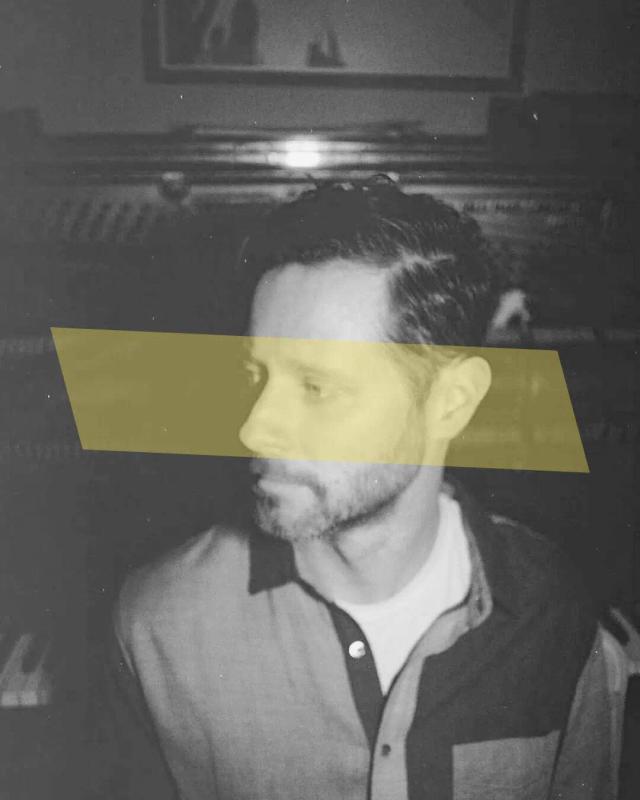
Yes. Dan Mangan (ep1) told me he has played for 35,000 people in shows that were less fulfilling, in a spiritual kind of way, than shows for 200.
His reasoning was practical.
The songs you know are your best aren't always the ones the world picks up, so if you certify your self-worth by the feedback coming back, you end up living with a gap between what you know and what you're told.
He passed along a line he credits to Wes from The Lumineers: keep your own score.
Can you want to be heard without wanting to be famous?
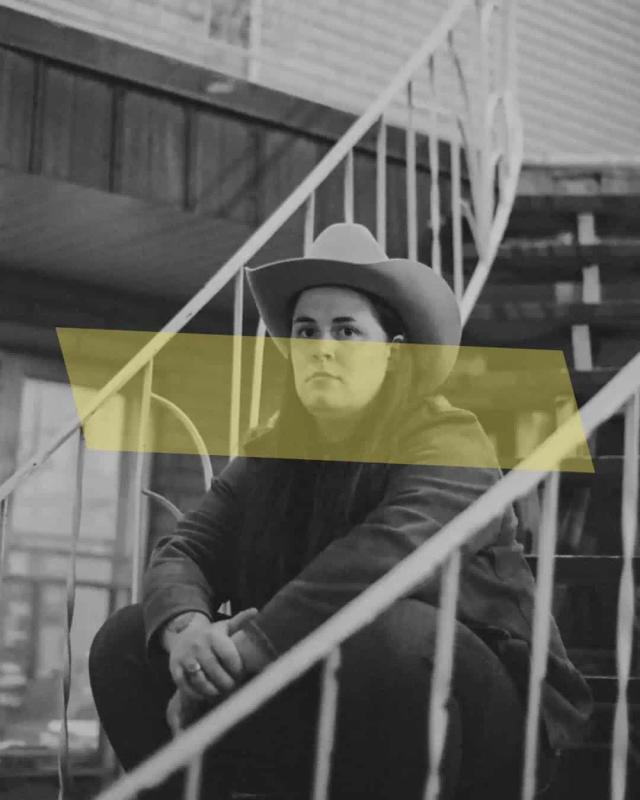
Shaela Miller (ep25) does. The southern Alberta artist has released three albums since 2017, and she told me plainly that she doesn't want to be famous. She wants to be heard.
I'd never heard that one before.
Chasing fame in a bigger city, she said, would mean a poorer quality of life, with no friends and no family nearby. So she stayed in Lethbridge, where her band is from, where she started her own hair salon, where she gardens. Her rule is to play the other cities without moving to them.
The goal, as she puts it, is having music work for you, not just working for it.
What does "famous" look like from the inside?
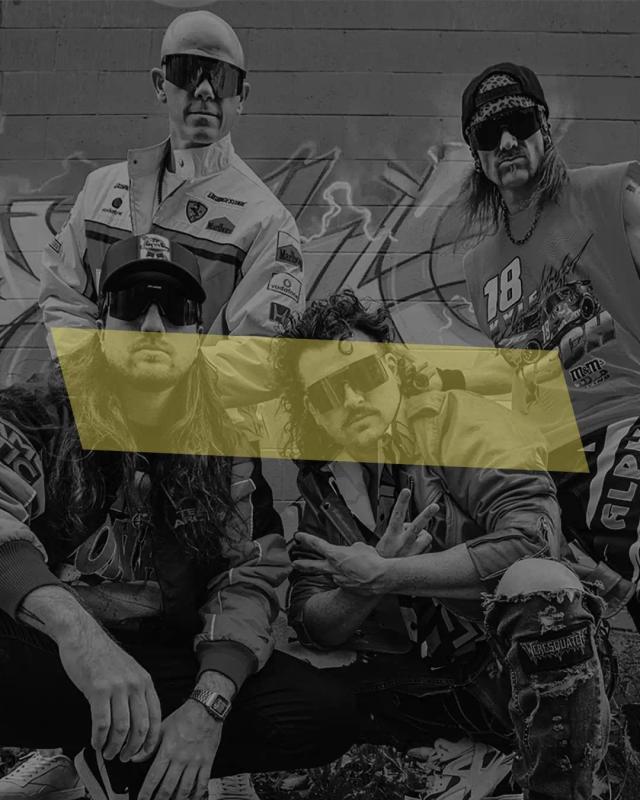
A member of Striker (ep35), a band almost twenty years into it - who won a Juno for Heavy Metal Album of the Year in 2020 - described what happens when a new coworker at his day job learns he's in a band.
"Oh, so you must be famous." His answer: more famous than you, but not by much.
It's funny.
It's also the whole gap in one sentence: what people assume a Juno means, and what a working band's week actually looks like.
What does success look like after the big win?
Mariel Buckley (ep39) had just won a Juno when we talked, and I asked her where success lives now.
Her answer wasn't a chart position.
First, it was being the kind of person other artists see as someone who will stick up for them. Second, it was practical: paying her rent from her music, getting to the point where selling 400 tickets across Canadian markets isn't a stretch, having food in the fridge, having friends over for dinner, and then going on tour.
Underneath both, she said, was people respecting the work and the integrity of who she is. That, to her, is worth pretty much everything.
The one I keep thinking about
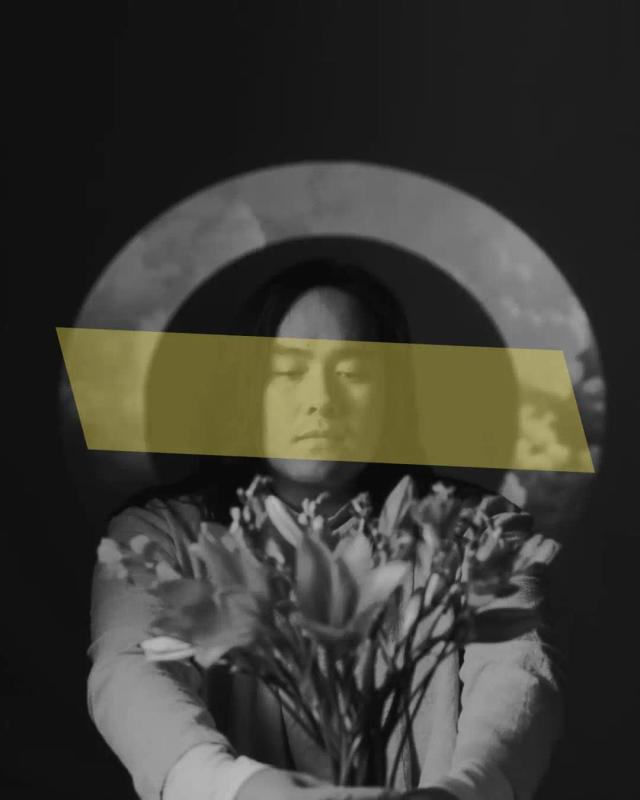
On the episode with Jody Glenham (ep40), I said something I don't say often.
What I've wrestled with my whole life.
All I wanted to do was be a rock star, and I still get left with regrets about not getting where I'd hoped.
I also said I admire the people who've stayed in it, because I can see what it cost them.
The truth is everything is in a rearviewmirror, and regrets are just expressed in a moment of now. I also feel more gratitude than i've ever felt regret. I was part of the fabric of the greater community of music and fall somewhere in its history. It continues to feed me.
I can live with the "we tried" and take it easy on the rest.
If there's a common thread, it's that you can't wait for visibility to tell them whether it's working.
You decide what "working" means.
And you go from there.