published : 04/16/2026
Tracing a path from the vibrant Edmonton music community of the early 2000s to the lush, atmospheric landscapes of Vancouver, Jody Glenham reflects on two decades of artistic survival and growth. This conversation explores the shift from MySpace-era networking to the modern TikTok “context” culture, highlighting how regional scenes like the Prairies foster a unique brand of hospitality and collaboration.
Jody pulls back the curtain on the creation of her EP Still Here, discussing the intentionality behind its “Mood Rock” aesthetic and her transition into the role of self-producer. From touring internationally with Louise Burns to the career milestone of landing “Overtime” on SiriusXM’s The Verge, Jody offers an honest look at the “juggling and struggling” of a working-class artist. We also get a playful “this or that” breakdown of West Coast indie staples, proving that in the Canadian scene, everyone is just one degree of separation away.
Jody Glenham shares her 20-year evolution in the Canadian music industry, from the legendary Sidetrack Cafe door in Edmonton, to the forefront of the Vancouver indie scene. We dive into the making of her new EP, Still Here, her experience producing the “perfect song” in “Overtime,” and the unique “artist grants” she utilized while working at John Fluevog. It’s a deep dive into DIY production, building community across the Prairies, and the gritty reality of being a “lifer” musician.
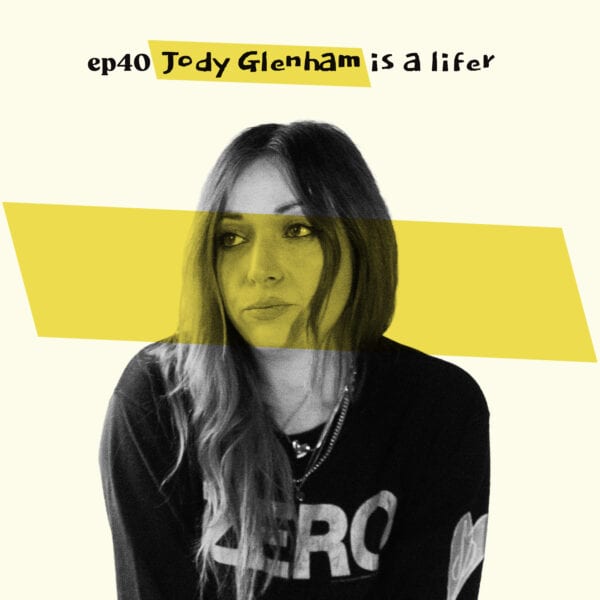
ep40 Jody Glenham is a lifer
released April 16, 2026
1:28:51
Key Highlights:
Keywords:
Side Track Cafe, Mood Rock, Community, Acceptance, Presence, Touring, Collaboration
Key Mentions:
Veda Hille
Chris Winters
James Murdoch
Jack White
Alice Cooper
Geddy Lee
Louise Burns
Jenny Lewis
The Wheat Pool
John Fluvog
Grant Lawrence
https://www.jodyglenham.com/
https://www.instagram.com/summerwitch/
https://www.youtube.com/c/jodyglenham
hosts: Glen Erickson, Alexi Erickson
AFE website: https://www.almostfamousenough.com
AFE instagram: https://www.instagram.com/almostfamousenough
AFE Spotify playlist: https://open.spotify.com/playlist/1o1PRD2X0i3Otmpn8vi2zP?si=1ece497360564480
Almost Famous Enough is a series of conversations centered around the music industry, pulling back the veil on what it really means to “make it”. Our podcast features guests who know the grind, who have lived the dream, or at the very least, chased the dream. Through these conversational biographies, truth and vulnerability provide more than a topical roadmap or compile some career advice; they can appeal to the dreamer in us all, with stories that can teach us, inspire us, and even reconcile us, and make us feel like we made a new friend along the way.
Chapters
00:00:00 – Introduction
00:03:48 – The Canadian music scene as a birthplace of grit and perseverance
00:09:44 – Returning to music during the pandemic: resilience and hope
00:12:47 – The journey from Edmonton to Vancouver: community and opportunity
00:15:52 – The decision to move cities for growth and new opportunities
00:22:02 – Navigating career gaps: side jobs, collaborations, and maintaining inspiration
00:26:42 – Producing her own record: confidence in the creative process
00:36:50 – Pandemic challenges influencing band dynamics and output
00:41:43 – Analyzing the themes of hope and connection in recent work
00:44:23 – Inspirations and references: Jenny Lewis and harmonic choices
00:45:19 – Themes of acceptance, presence, and shared struggles in her music
00:51:33 – Upcoming release details and future plans
00:57:56 – A or B Game with Vancouver’s indie music community
01:04:14 – Post-Fame with Alexi
ep40 Jody Glenham is a lifer
Glen Erickson (00:01)
Bruise Knuckles and Ballet Shoes Bruise Knuckles and Ballet Shoes I’m thinking about two stories, two characters, somehow feeding the same universal concept, despite on the surface being as opposite as imaginable. Rocky Balboa and Billy Elliot. One comes out of a world that values toughness in the most traditional sense, while the other pushes against what his world thinks toughness should look like, but underneath, driven by the same working class engine.
Neither sees himself as extraordinary, neither has handed permission, and both keep showing up to do the work because the dream matters more than pride, comfort, or image. What makes their cinematic stories so strong? Perhaps it’s because we have loved to idolize heroes who reveal that the fibers of greatness always come by remaining embedded in the fabric of regular people, bruised knuckles, and ballet shoes.
Middle class is the backbone of greatness. And if you look closely, you’ll see great all over the middle. I’ve actually wrestled for a long time with using this analogy to introduce Jody Glenham How do you call someone incredible at being in the middle in the pursuit of greatness without it sounding like a huge backhanded compliment? I don’t have an answer. The fact will suggest
Maybe the streaming and touring numbers that make one believe they’re making it or have made it are not there. Air quotes made it as always, but I wouldn’t want you to ever conflate my ideas to suggest I don’t think she’s great. She is great. And she has had a career in music. She is the true middle class. She has sustained her community by working the industry jobs as well as making the music.
playing in others’ bands with fulfillment, not resentment. Doing them all really well, it builds her community. And let’s get really granular here. A majority of the artists who have appeared as my guests have built careers in the exact same wide range of the middle as well. I just never called any of them out to make a point in the intro before. Sorry, Jody. But let’s expedite the compliment half and forget the backhand.
Jody Glenham is an indie rock artist from Vancouver, BC, Canada. And about 10 days after this airs, she will have released her fourth full length album in 20 years, sneaking in an EP and placing songs on multiple Netflix hits in there. Between the goalposts, she has been a regular member of renowned Vancouver artist Louise Burns’ live touring band over the span of eight-ish years, currently playing with another band, Frankie.
Booking talent for local Vancouver venues, among other things. Jody is great at what she does. She has had a successful career in music and reap the benefits of not being part of the majority crowd who call it quits because their equations to fame began looking like false promises. I needed to talk to Jody to affirm for myself and everyone who takes interest in my premises about chasing the dream.
that the strength of the Canadian music scene comes from bruised knuckles and ballet shoes, the grit that rises to the top despite all opposition. My name is Glen Erickson. This is Almost Famous Enough. Thanks for spending your time with us. This is Jody Glenham.
Glen Erickson (03:48)
it’s nice to see you, Jody. ⁓ This has been, ⁓ my goodness. Yeah, I knew where this one would have to start, which would be.
Jody (03:50)
It’s been, ⁓ It’s
Glen Erickson (03:58)
⁓ Maybe painful for listeners, but I don’t care because there’s a little catching up. A little catching up to do. So we knew each other when you were in Edmonton before you moved to Vancouver. That’s how I know it. And I remember still touching bass or interacting somehow while you were in Vancouver and finding what we doing. But it’s all really fuzzy to me.
Jody (04:10)
Yeah.
Glen Erickson (04:22)
Jody, do you remember at all how we would have got to know each other other than the Edmonton music scene and maybe having just leave it at that?
Jody (04:30)
Yeah,
I I moved to Vancouver this summer, it will be 20 years. So time flies. ⁓ But I lived in Edmonton ⁓ from 99 to 2006 and I worked at the Side Track Cafe. That was my first job in Edmonton. So I got ⁓ as a, I moved to Edmonton from Winnipeg.
Glen Erickson (04:37)
Okay.
⁓ that’s gotta be it. That’s gotta be it.
Mm-hmm.
Jody (04:57)
and
got a crash course in all things music community related to Edmonton by working the door at the sidetrack. And then I ended up serving there for a number of years and they Brent Oliver gave me my first real show at the sidetrack opening for ⁓ Veda Hele and for here. ⁓
Glen Erickson (05:18)
Okay. Wow.
Jody (05:21)
Yeah, so that was the start of me and Edmonton and then that would have been kind of how I guess we would have met. think you were planning.
Glen Erickson (05:28)
Oh, for
sure. I, and, and to make it really clear, we’re talking the OG side track, not the second version side track, which was one of the most classic venues in Canada. Well known. Um, yeah. So if you had your foot in the door there and, and the same for me, like I was, you know, that’s, you said you left in 2006, but between probably 2003 and 2006, I was actively.
trying to access getting shows at sidetrack if I could through Brent Oliver as well ⁓ gave me I was trying to I started trying to run my own indie label then I would have showcase nights there and 2005 I started with the Wheat Pool and we played a lot there and
Jody (06:14)
Yeah, was definitely the, I remember
the Wheat Pool and like Chris Winters and James Murdoch produced my first record. And so just kind of like intermingling all of that. Yeah. Yeah.
Glen Erickson (06:19)
Yep.
ours as well, yeah, for so, yeah, yeah.
Well, I mean, that, okay, that makes sense. I was sadly so fuzzy. I’m like, I should know where maybe more exactly we had intersected and then now that makes perfect sense. ⁓ It was a long time ago. Well, a lot happens in that time and especially…
Jody (06:40)
Well, was a long time ago. know, well, not that long, but…
Totally.
Glen Erickson (06:49)
in a scene you see a lot of people, you meet a lot of people. ⁓ So that totally makes sense. Okay, so I’m so glad that we’ve arrived at that part. And then you went to Vancouver and you were, and this part got fuzzy for me too, because I thought I knew.
this, but then now I’m second guessing myself. But you had a job in Edmonton at a shoe store in White Ave, I thought, and then you went to work at like the flagship version of that. And I’ve somehow ascribed that to Doc Martens. And I don’t remember.
Jody (07:22)
So I worked
for FluVlog for 14 years for John FluVlog, but I got that job in Vancouver. So I did not, I didn’t work there when, I think there’s an Edmonton store now maybe, but there wasn’t one at the time. up. Gravity Pope carries John FluVlog. But yeah.
Glen Erickson (07:27)
Flu Vogue, damn it, okay.
Okay.
I conflated the two.
Okay.
Okay, I
conflated those. that, okay, so there was a partial truth in there that I knew that you were working at the fluvog store.
Jody (07:49)
Yeah, so I worked for them for a long time and they were great as a musician. They were great to work for. Like they have in-house artist grants that ⁓ funded a few of my recording projects. And yeah, so there, it was really neat to work there and to just to see kind of how they contributed to ⁓ just supporting musicians. Like they did a collab with Jack White and I met
Glen Erickson (08:02)
Wow, really?
Wow.
Jody (08:17)
Alice Cooper when I worked there and it was just it was really cool. Yeah
Glen Erickson (08:19)
⁓
that’s pretty wild. Like, yeah, that’s like a way that like most people wouldn’t think like, you know, the resourcefulness of like how people keep making their way along. Nobody would think that that could be a way because like even one album grant can go such a long ways for an artist, right? That that will float them for
generating the next two years of work for them, you know, if they can get a record out, so.
Jody (08:46)
Yeah, well, and they, their artist grants
weren’t music specific. It was like, if you worked for them for certain amount of time. So they funded screenwriting, they funded some playwriting, like artist studio for like visual arts, artist studio funding. So there was like a whole gamut of things that they, funded over the years, which is pretty cool.
Glen Erickson (08:51)
I was gonna assume it was… yeah.
Yeah.
Yeah,
that is really cool. Okay, so Jody, I want to get into this with you because I was excited when I started to see these singles pop up on your socials, which I thought was really cool. And I remember that happening back in, I think, as well when you released…
Jody (09:12)
Mmm.
Glen Erickson (09:26)
music and it was getting some attention and I remember thinking, ⁓ Jodie’s still making music. And it’s funny because that sentiment alone right there just says so much about those of us who have existed for quite a while with friends who are musicians, right? That these gaps of time happen in between.
recordings and maybe you don’t see each other all the time, so you make assumptions that maybe things have trailed off as they do for a lot of people, but then they pop back up. And so you’ve popped back up and I thought, this is something I want to talk about with somebody who ⁓ is still making the effort is to, you know.
Jody (10:05)
Yeah, I mean,
just to speak directly to that, like the EP is called Still Here. And I really, the album I put out in 2020 was called Mood Rock. And I really noticed there was like a direct response to the, I don’t know, the immediacy of the name, just like the simplicity of like calling my record like
Glen Erickson (10:11)
Exactly. On point.
Jody (10:31)
the genre of music I think that I make, like mood rock. And so I really went with that directness with the naming this EP as well. And every song has either like a theme about like growth or time passing, or it’s just, ⁓ yeah, it just kind of like made sense to be like, still here as a human, as a musician. ⁓
Glen Erickson (10:33)
Yeah.
I think it makes total
sense and I think that’s also some savvy in your planning of naming.
Jody (11:05)
Well, and what’s cool is
it’s like I’ve seen it kind of pop up like I was watching. I was watching this interview with Geddy Lee from Rush and like the quick sound bite that they took from the interview was him saying like, well, you know what, I’m still here. And I was like, I think it really resonates with people right now. Kind of like this whole, I don’t know, we’ve had so many years past pandemic to
reintegrate into society, but we’re still figuring it out. So yeah.
Glen Erickson (11:33)
Yeah.
And that sentiment just in the artist’s life period of what happened with the pandemic. I mean, everybody gets to make the joke about how they’re kind of like time drunk through that phase. Like nobody can estimate whether it was one year, five years between certain things happening. But that in the life of an artist, I’ve talked about it with a number of people here, right? Was like an absolute…
you know, it’s just a hammer of like, of threats to their very well being, right? Is this idea of like, the loss of attention, the loss of inspiration, the loss of community, all these different aspects, like, yeah, it just really, and coming out of that, yeah, we’ve been watching to see like, who survives, who’s still here, ⁓ who doesn’t. So let me go back.
Jody (12:13)
the loss of connection.
Mm-hmm.
Glen Erickson (12:26)
and sort of draw the line from when I first knew you and you started making music till now. I mean, we’ve sort of done some of the geography, but you sort of put out a first formal record. It’s 20, this is like 20 years, like 2006, right? Is that, I mean, that’s how the internet or Spotify shows your first album, but they’re not always correct. So is that Brave New World record that was like 2006?
Jody (12:47)
Yeah, it was 2006.
Yeah, I put it out, yeah, 2006 and it feels weird to say that because we’re in 2026 and I’m just kind of like tripping myself up a little bit with that. But yeah, and I guess, I mean, I guess I moved to Vancouver short that same year. It doesn’t really feel like it belonged in the same part of my life, but I guess I put out a record and was like, bye Edmonton. Didn’t mean that, but yeah.
Glen Erickson (12:53)
Yeah.
Yeah.
Yeah.
Jody (13:20)
Get to…
Glen Erickson (13:20)
Was that difficult? Was that disruptive? mean, part of getting momentum, especially back in that era as an indie, is so much about like local, like the CD release show was everything to people in that era.
local press like the Street Rags like would have been View Mag and C Magazine back then and and CJSR, CKUA Play in Edmonton like there was a lot of resources to sort of get momentum around a record. So to kind of pull up and leave did you feel that? Did you feel sort of…
Jody (13:39)
Mm-hmm.
Yeah!
think Edmonton was really supportive. ⁓ I remember Vue covering the album and Sandra Sopronis, the Edmonton Journal, did an article. We name checked the sidetrack already, but my release show was booked at what was going to be the new sidetrack. then I think two weeks before the record came out, just things weren’t…
Glen Erickson (14:04)
Mm-hmm.
Jody (14:22)
the opening date wasn’t gonna hit and so I ended up moving the show to Savoy on White Avenue, Martini Bar that I was working at at the time. they were so kindly, even though they didn’t really host live music, we made it work. was very, I think it was like the Prairie hospitality kind of thing came through. But yeah.
Glen Erickson (14:31)
⁓ just, Yep.
Ha ha ha.
Jody (14:47)
I put out that record and kind of like, mean, things always take time, right? And so I don’t remember how long it took to make that, but it would have like, we would have started that a year or two, probably even two years beforehand before it came out. So it was definitely, ⁓ yeah, I feel like it was so long ago now. I can’t really remember the details.
Glen Erickson (14:52)
Yeah.
Yeah.
It was, I mean, I’m not gonna press you on all the details. I
mean, one of my curiosities for you, if you can remember, is the change from Edmonton and Vancouver. I mean, obviously you put out a record a few years later again, and so you’d obviously, like you just said, it takes time to get to that 2009 date. Who knows, it could have been 12 months, it could have been 18 months working on it, but.
Jody (15:22)
Mm-hmm.
Glen Erickson (15:37)
I mean, this is a thing that comes up for artists. don’t think you, I don’t know. I don’t know. I can’t remember if we ever talked if you, the specific reasons you went to Vancouver, if it was just, you needed out of Edmonton or you just wanted a bigger city or if it was specifically the music thing.
Jody (15:52)
Yeah, I mean, I was trying
to decide, I knew I wanted to pursue a career in music and I was trying to decide between Vancouver and Toronto as one does, as a Canadian, the two cities you have to choose from. And at the time I had musician friends that lived in Vancouver. So it was a really easy transition to come out here. And I felt like…
Glen Erickson (16:03)
Mm-hmm.
Hmm.
Jody (16:17)
I really hit the ground running when I got out here too. Like I was like, ⁓ just invited into a music scene that was already happening ⁓ and then just like learned about all the different, I was hungry when I came out to Vancouver too. So I was really like keen to learn and ⁓ Vancouver is like a really interesting town where like ⁓ something is,
Glen Erickson (16:33)
Hmm.
Jody (16:43)
I say this belovedly, but like something is kind of missing in that like socialization of Vancouverites. And I find that like the prairie way of just like saying hi and putting yourself out there really goes a long way with making friends and getting to know people and like supporting other musicians that are playing and be like, hey, I’m gonna come to your show. And then you go to their show. So that, I…
Glen Erickson (17:07)
Yeah.
Jody (17:12)
had a good start here. because I had that community almost immediately, ⁓ just very organically made sense that I ended up making another record kind of in the first few years that I lived here.
Glen Erickson (17:24)
Yeah.
Yeah, I mean, and you came from Winnipeg to Edmonton and Winnipeg renowned for how that music community sort of seems to just grow a lot of like really great artists and has a really great sense of community. ⁓ So going from that to Edmonton to Vancouver and having those connections definitely makes sense that you kind of carried that prairie ethic.
Jody (17:30)
They did,
Mm-hmm.
Glen Erickson (17:54)
right across to Vancouver. ⁓ You kind of answered what I think one of my main questions was going to be, which is, you know, how important having how much work sometimes it can take to build that community for yourself. ⁓ Sorry. Even if like it’s the players, like you’re a solo artist, so you have to develop relationship with players that you trust and that will trust you and be willing to sort of
Jody (17:56)
Mm-hmm.
Glen Erickson (18:21)
go through the discomforts of like playing for somebody else, know, you know, saying yes to when they book shows or rehearsals and learning somebody’s, you know, everything from songs to personality. Like it takes time to develop that. You sort of indicated that already, but you had some of that, like you said, hit the ground running. And from the outside, I do remember my perception was it did seem like you hit the ground running and got in with the community.
Jody (18:34)
Mm-hmm.
Glen Erickson (18:49)
pretty quickly and that’s an era of like, to me Vancouver was like, just like huge for their community and what was coming out of it on that era, right?
Jody (18:59)
Well, Vancouver still
had CBC Radio 3 that was based here. And I think that did a lot to facilitate like a good, healthy, connected community out here. Yeah.
Glen Erickson (19:03)
Yeah.
Yeah. Yeah, my
second guest ever was Grant Lawrence on here. Like I wanted to have my conversation with Grant and what Radio 3 did to create an indie rock scene across the country for so long was unbelievable. But yeah, based in Vancouver. And I think what I always on the outside loved my observation was like the choice, you made the reference to the choice between Toronto or…
Jody (19:24)
Absolutely. Yeah.
Glen Erickson (19:35)
Vancouver, is everybody who’s not in those cities in Canada and gets to a point when like they ask themselves how seriously they’re going to take this and then they’re faced with that question either by themselves or somebody else is asking them. ⁓ That Toronto is where the whole industry was, right? Like the mechanics of it. And Vancouver though, seemed to have less industry but just way more attractive scene, like people, community, players.
Jody (20:01)
They definitely, mean, at the time for me, they seem to have fairly equal ⁓ opportunity. ⁓ I mean, this was like 20 years ago. So it was before it was like social media, like MySpace was really brand new. And ⁓ it was just, yeah, it was interesting how that kind of, that even like helped me make friends here in Vancouver, even before I moved out here. Like I could kind of.
Glen Erickson (20:01)
opportunities.
Hmm.
Jody (20:30)
like keep an eye on what was going on and who was playing where. And like, I reached out to people I didn’t know on MySpace and asked them to play in my band or like asked them to produce my record, know. And social media made that question a little less scary than trying to hunt someone down at a show and be like, hey, I just moved here. Wanna make my record with me? So ⁓ yeah, I do feel like 20 years ago, like the
Glen Erickson (20:44)
What a different world. my god.
Yep, yep.
Jody (21:00)
that there has been a shift and everything is far more Toronto centric when you look at the industry, but also social media has changed the fact that like, I don’t think that question that like Toronto or Vancouver question really like exists anymore because you can have a viable career from like any place if you you have the luck of the algorithm and the music’s good and the art’s good and all of that too. Yeah.
Glen Erickson (21:15)
I agree.
Yeah, yeah.
No, I completely agree. I had completely forgotten, not completely, I frequently forget how predominant Myspace was as the precursor to social media now, particularly in the musician’s life. ⁓
And that, like maybe I think of it as even older, but yeah, 2005, 2006, seven, it was still this determining factor when we were all still worried about people downloading our songs for free off LimeWire or Napster, which now seems so ridiculous and where we’ve seen everything go, but yeah. Yeah. Yeah. And the amount of people I’ve talked to still.
Jody (21:56)
Mm-hmm.
And MySpace was so music centric too.
Glen Erickson (22:08)
both musicians, but even just fans who were connecting with bands. ⁓ MySpace, like in a way that it was social media, but it still felt different than what happens now. I don’t know if you feel the same way. ⁓ Definitely a different way to think about it and look at it. ⁓ So you’ve stuck around in Vancouver. You got a good job, like you were talking about.
Jody (22:21)
Mm-hmm.
Glen Erickson (22:35)
that really sort of gave you probably some flexibility and also endorsed, supported you in very practical ways, which is pretty amazing to have happen. ⁓ But there’s gaps in your making music and putting it out there. And I’m curious to know sort of what were the things that influenced the gaps because
I know what a lot of the common ones are, the ones that I’ve faced and seen others face. I’m curious about yours, because you have a record in 2009, you have an EP in 2014, then we see the record in 2020, which really has a lot of, like, it gets you a lot of attention as far as the credentials on a page, especially too.
and then a whole pandemic and then now you’re putting out a new EP in 2026 so you know some people just quit their jobs go and make music and basically sell the farm and it’s either make it or break it you know versus what appears to me like
just stay in the game by any means possible. And I’m wondering where you can tell me your pursuits have sort of landed and what those gaps came from and sort of how your journeys ended up this way.
Jody (23:54)
Yeah, mean, ⁓ Vancouver’s an expensive city, so I’ve always worked multiple jobs. Like when I was working at FluVogue, I was also bartending. ⁓ I bartended a winery now still, and I DJ, and the DJing is a way in which I get to interact with music where I get to feel like I’m 13 again, and then just with my…
Glen Erickson (24:00)
You
Jody (24:19)
CD player and like, you know, just with my headphones, it is also, it pays me really well, which is great. ⁓ So yeah, definitely it was a bit of the juggling and struggling that you do when you’re living in a more expensive city. But then I also really found joy in ⁓ contributing to other people’s projects. And I was in a part of ⁓ this musician, her name is Louise Burns.
I, in I think it about maybe, oh gosh, I can’t remember when, 2011 maybe she asked me to start playing guitar in her band and then I was playing guitar and keys and so I toured with her in her live band for about eight years and that led to some really cool opportunities. I got to do a tour in India, I got to tour Australia. We did like a Germany tour. So just like kind of these things that would come up that
would, I’d still get to play music, I’d still get to interact with the community and like go and go places. I got to like, you know, it was really cool to go to India and play basically like the Coachella of India, you know, and just like that whole culture, you know, you just get like thrown into all of it, which is so rad. And then you also get like taken around, you have like your tour manager. So it’s like, it’s a, well,
Glen Erickson (25:19)
Mm-hmm.
Jody (25:39)
It’s a well organized thing. ⁓ But yeah, so I did dedicate a lot of time to those sorts of things. And I sang in other people’s bands and I don’t know, I just kind of, guess I’ve always been a bit of like a yes man. And so ⁓ if someone kind of like wants some keys on something, I’ll do that. And then you start to realize you’re like, like I’m still writing songs, but I haven’t actually like.
Glen Erickson (25:41)
Hmm.
Hmm.
Jody (26:06)
chipped away at a recording project of my own in a while. So those wheels kind of start to turn. But it also, that inspiration came to me like when I would ⁓ come across someone that I was really excited to work with. So that in one way with the Dreamer EP, I ended up working with this producer out of LA for a bit, Raymond Richards. And he worked on mood rock for a little bit, a bit of mood rock as well. And so it was just kind of like finding those like
those, I don’t know, bits of excitement or like the spark for the pilot light, you know, just to kind of, to refocus back to myself. I also have ADHD, so I’m just kind of like all over the place all the time. ⁓ Yeah.
Glen Erickson (26:42)
Yeah.
Yeah.
I know all about that, trust me,
100%. ⁓ I mean, okay, so I think what’s really interesting, because I sort of framed this, right? It’s like a lot of people from the outside look at it like either somebody just sort of spreads and strings them out and kind of is staying in the game and playing, you know.
or the person who does the more typical, like I’m jumping off the cliff with this sink or swim, that sort of method. I think what’s interesting, and this is a reason I really was excited to have a conversation with you, Jody, and also because what I’m seeing and what I’m hoping in a conversation to reveal, I think is a side of a music career that doesn’t get any…
it obviously doesn’t get any glamorization or, you know, special storytelling in the, you know, the legacy vaults of like how people have had careers for 20 years in music is that it’s not just about making your own records and building this giant trajectory of your…
You know what mean? Your songs and your records, you know, becoming the fabric of the music industry. It’s people who, like what you’re describing, like love and find joy in participating in something that’s not always just their own. Like for you to give a large chunk of your time to Luis’s career and ⁓ playing, you know, while still…
working through your own things and as a songwriter, I’m sure always developing ideas and developing songs even if they’re not into this kind of cycle of music projects that is the typical career from the outside or even the things you talk about or even on the emails you send me now and if I look at your email signature, you know, a DJ at Fox Cabaret and booking for another venue, you know what I mean? And
Jody (28:48)
Yeah, I booked for two venues
and yeah.
Glen Erickson (28:50)
Yeah, and
so there’s this aspect where we start to blend in the things we learn, give us opportunities ⁓ to work in the business. I’ve done like almost everything I can do in the industry since I played.
in the bands and even while I was playing in the bands like trying to run my own label and then I would start promoting shows and then I was an agent to a guy for a little while and then I tried publicity and I’ve been on boards of all kinds and grant funding and everything so this is kind of what happens commonly. I’m just wondering how
I’m wondering how you’ve personally felt about it. think is really what I’m interested from you, Jody, if it’s okay to ask is like, like, is there that feeling of, for lack of a better term, this is an unfair way to frame it. So I’m hoping you’ll frame it, reframe it for me fairly, which is like, I didn’t do it the right way, or this is like my career went this way, but I didn’t like have a whole bunch of records and do the whole.
sold out thing. I’m wondering how you’ve kind of developed this mindset for yourself to kind of stay in it and find joy in doing all of these kinds of things and staying as a career musician.
Jody (30:02)
Yeah.
Yeah, I mean, I feel like from a young age, music has, I don’t know, it’s always felt like my purpose. I feel like I can describe it as that now, but I don’t know if I would have described it from that, from the get-go. It’s just something I always, ⁓ it came very naturally to me. ⁓ And maybe something about growing up in Winnipeg where like it, there’s all these,
I don’t know, there’s all these exciting stories of, you know, I mean, as a kid, like the crash test dummies, they’re from Winnipeg. Like there were success stories from my hometown. So it just kind of felt like it was something that like you could actually do. And then the doing, I don’t know. I mean, I feel like that’s just what I’ve been trying to figure out for the last 25 years is how to do it. How do you do it? ⁓ Especially as a working class person, like I…
Glen Erickson (30:53)
Yeah. Yeah.
Jody (30:58)
You know, I’m privileged enough to come from a middle-class household, but it, you know, so I had some lessons as a kid and, you know, my parents were able to like buy me a guitar and that sort of thing. But yeah, it, I feel like everything I’ve done has felt right. I guess maybe playing in someone else’s band for eight years.
Glen Erickson (31:06)
Hmm.
Jody (31:22)
led me to put out my records at a lower speed or capacity, but at the same time, they, they were sat, it was a satisfying experience. Like I, I developed a friendship with music, like with Louise Burns, who ended up, she, she does my vocal production now on my records and she knows my voice so well that it is such a, such a great work space.
Glen Erickson (31:34)
Yeah.
Hmm.
Jody (31:51)
to, because especially tracking vocals can be ⁓ such a psychological thing. Your body is your instrument. And so just to be able to work with someone that I like, I absolutely trust and I do not need to get into my head over, was that take good enough? Do I need to do 20 more? Is my voice sounding tired? Like, it’s just that I don’t have to worry about any of that. So like those kind of like deep moments or like, like
Glen Erickson (32:04)
Hmm.
Jody (32:20)
the trust that comes out of those types of relationships, I feel really helped make me or allow me to make better music. ⁓ Yeah, I don’t know. I don’t think that there is a real ⁓ benefit to looking back and being like I could have, should have, if anything, maybe I would have moved to Toronto instead of Vancouver. ⁓
Glen Erickson (32:24)
Yeah.
Jody (32:47)
perhaps if I would have known how Toronto-centric the Canadian music industry was going to go. But that’s also just the industry. That has nothing to say about the, that’s not a reflection of the art that’s coming out of any of these. So.
Glen Erickson (32:59)
That’s exactly true. And Vancouver
as an art producing city has been quite prolific in our country. I think it’s undeniable.
Jody (33:11)
Absolutely. It’s a beautiful, inspiring place to live. It’s hard sometimes, but I also think that like brings people together. has this, somehow it still holds onto this monocore of like no fun city, but I cannot, that is like that not my experience. Yeah, I can’t even participate in all the fun that happens here.
Glen Erickson (33:14)
Yep.
Yeah, yeah, that’s great. Well, mean, it’s…
You might be causing all the fun. ⁓ I mean, it seems really apparent that you’re so comfortable with each of your choices along the way that you’ve done a lot of different things. ⁓
which I think is really comes through and is very cool to see. I know for me, like in the relatable factor, like I had to come to a point because the Wheat Pool became the thing for me, right? That band. And I was the guitar player, you know, but I got into music making songs before I even played guitar, right? Cause they were in my head and that’s what inspired me so much. And I wanted to be part of that.
legacy, right? I wanted to be part of that fabric someday of the people who had made this music. And I know that I had to come to a place of being like, this is the best thing for me. Like I’ve made my own records. I’ve tried to write my own songs and I probably should have spent way more time trying to get better at it and make more records and just produce the volume. And I had my own little demons to fight about that. A hundred percent, you know, about
not feeling good enough or being pulled in multiple directions. But I did come to a point where I became very satisfied with realizing I think the best version of what I do musically is found with this group of four guys. And that my voice was maybe more the guitar.
than it ever was songwriting, even though I always assumed it was gonna be otherwise. That’s not always easy for people to get to, I think, from what I’m realizing and talking to a lot of people. ⁓ Was there a point for you in Vancouver where you just realized like, this is like, while you were with Luis, you were just, when did you get into your most comfortable, like,
This is like how we do things. This is how I’m doing things. This is how it goes.
Jody (35:27)
honestly, I feel like right before the pandemic happened, ⁓ because I had, I had finished Mood Rock. I, it wasn’t out yet. And that making that record was a big learning experience for me. ⁓ I ended up working with two different producers throughout the, throughout the making of it. And, ⁓ by the time I got to the end, like, I was really proud of what I had made.
and ⁓ I had gotten US work visas for my band. I had like a five piece band that was really cohesive and like felt like it was the right band to be like presenting that music. And like it was, I had ⁓ for that summer of 2020, I had already like booked a few US festivals, kind of bigger festivals than I’d ever had played in the past as myself. And… ⁓
Glen Erickson (36:02)
Hmm.
Jody (36:20)
So yeah, was definitely like there was a plug put in ⁓ that momentum. But ⁓ it also just the energy really shifted. Like in some ways I was really grateful to have Mood Rock because I ended up putting it out in August of 2020. ⁓ And I was really grateful to like have a finished record at that time and something that I was able to
Glen Erickson (36:24)
Wow.
Jody (36:47)
like send around to people and like people were home, people listened to things. I ended up having telephone conversations with people who probably would have never been available ⁓ in a regular world. And so it led to a really like a lot of really nice connections, ⁓ connecting with people through the music of that. ⁓ But yeah, and then of course, just trying to learn how to rebuild that in a world that was very different.
Glen Erickson (36:50)
Yeah.
Ha
Hmm.
Jody (37:16)
⁓ where I didn’t have the same energy output. ⁓ We also, during the pandemic, we got ourselves a dog, my partner and I. And he’s a bit of a problematic dog, ⁓ which was a learning curve on its own. ⁓ But as I like to say about him, lemons need love too. So he’s lovely, but just he’s really big and ⁓ hard to manage sometimes. ⁓ So yeah, just kind of like that.
Glen Erickson (37:35)
Ha ha ha ha ha ha.
Jody (37:46)
That ended up coloring the amount of energy that I could put into being a band leader. Like I still knew that I wanted to make a new record and I knew that I wanted to ⁓ continue being Jodie Glenham. But it ⁓ just the amount of, yeah, so anyways, I ended up like shrinking my band down to like a trio and like it was like just the three of us that worked on that record. I ended up producing the record myself, which was like,
really cool. ⁓ It did lean, it led to it being a bit, it took a little bit longer. But as I’ve learned from my music career, I think it just takes me a long time to do things.
Glen Erickson (38:15)
Hmm.
Yeah,
and that’s totally fair, right? Like, again, this is us accepting the things and not continuing to buy into narratives, I think, about how things are supposed to be or what should happen. ⁓ Is there…
Jody (38:40)
Mm-hmm.
Glen Erickson (38:42)
Is there a thing or have there been things specific like instances that you can look back and feel like these are the things that kept you going? Like a lot of people quit, Jodie, I think is what I’m saying. And a lot of people don’t like keep going with a sense of like hopefulness or a sense of like, I still have some things to do and it might take me longer and that’s okay. A lot of people don’t, they just don’t last from either
unfair outside pressures or I think most of the time people implode, it’s their internal narratives. How have you?
Jody (39:15)
Well, think I’ve
always known I was a lifer. I’m a lifer. Like, I’m going to be doing some sort of this. I don’t know if it’s going to be exactly this, but these are my interests. Like, my friends are all musicians, you know? It’s the life I’ve built around myself. And then I know I had a second point I was going to say, but now it has eluded me. I need to start writing stuff down.
Glen Erickson (39:19)
Okay.
Hmm.
Yeah.
it’s okay. ADHD. This is my problem on the podcast. I’ll like, someone will start talking and I’ll think of three different things at once. And I’m so afraid I’m going to lose them as soon as I start talking about one of them. So I totally get, I totally get what you’re saying.
Jody (39:40)
I
Mm-hmm.
Mm-hmm.
But, ⁓ yeah, sorry, I lost my train of-
Glen Erickson (39:56)
No, that’s okay.
⁓ I think that’s a great sentiment about being a lifer. ⁓ Okay, okay. Okay, cool.
Jody (40:03)
and I think, sorry, I know what I was gonna say actually.
⁓ And I think it’s really interesting that you used the word hopefulness. Because that is ⁓ something that I get, I have people tell me that’s what they get from my music. So you’re getting that from ⁓ my outlook on life. But I feel like that is also what is being translated through the music too. Like there’s just kind of,
Glen Erickson (40:20)
Hmm.
Hmm.
Jody (40:31)
⁓ I’ve been told that my music gives people permission to feel things without falling into despair and that sort of thing. I’m like, well, that’s hope. I think all you can really… Yeah. Yeah. So I know there’s a lot going on in the world and ⁓ we can’t fix everything and music for me fixes the…
Glen Erickson (40:43)
Yeah, that’s a very specific sentiment.
Jody (41:01)
my immediate state of being. And I think that’s like what I am. I don’t know. That’s the sound I’m chasing. I’m trying to connect with people so that I can feel better about existing. And then it’s really nice to hear that that is being felt on the receiving end too, I guess. Yeah.
Glen Erickson (41:09)
Yeah.
Yeah.
Okay, then let’s jump into talking about your new record coming out a little bit because ⁓ I’ve been listening to the songs as they’ve been coming out and there’s a few things that are so noticeable.
to me. I like the way that you just framed it about people saying that they feel hope and that ⁓ or a hopefulness or even I guess that resonates to me with thinking that it’s a hopeful version of
challenging themes, right? That like there was being an option where a song can just like in order to make you feel something can take you right down where it is versus the ability to connect with you without pulling you all the way down to where maybe the roots of a song is coming from. The first thing I noticed, by the way, is a couple of the songs and this is more so than like on your Mood Rock album. You’re like vocal choices and style.
to when you sort of let the vibrato part of your voice kind of like take over, if that makes sense. It was bugging me for like three days. Like I’m like, this makes me think of something, not bugging me in a bad way. It makes bugging me that I’m like, who does this make me think of? I was dying and then it was literally an hour before talking to today.
Jody (42:38)
You were trying to put your finger on the one.
Glen Erickson (42:48)
It’s Jenny Lewis’s Rabbit Fur Coat era with the Watson twins. ⁓ When I listen to, ⁓ which song is it of yours? The ⁓ Good Fruit song. ⁓ Feels so Rabbit Fur Coat era with the Watson twins, especially when your harmonies come in on that song. I don’t know if you’ve ever gotten that before. Maybe you get that all the time, but it felt like that and it took me forever to nail what I was thinking.
Jody (43:15)
I mean,
that is the highest compliment. I am a big Jenny Lewis, Rilo Kiley, Die Hard fan, and I really love ⁓ what Jenny Lewis has done with her career. I love her music. ⁓ I feel like we’d be friends if we lived in the same, I feel like if we lived in the same city, I would probably play in her band ⁓ at some point. ⁓ But there’s just like a lot of, a lot of,
Glen Erickson (43:37)
That’s awesome.
Jody (43:42)
things that I really respect about her that, I mean, I don’t know her, but that comes through what she gives us as her personality, as the artist. I love that she is a part of postal service. So she plays in other people’s bands. ⁓ I love that she’s written songs for movies. I love her sense of humor. There’s just a lot of, ⁓ and I think she’s a phenomenal lyricist. ⁓ It’s just, yeah.
Glen Erickson (43:49)
Yeah.
Jody (44:11)
⁓ That is a very high compliment, so thank you so much. We actually, in some of the, in the local, in some of the vocals, we ⁓ used like some Jenny Lewis backups as a vocal reference ⁓ when in the mixing aspect. like EQing things so that they, like, yeah. So there’s some intentional inspiration there, absolutely. So yeah, yeah. You figured it out.
Glen Erickson (44:24)
Okay.
I love it. I love it. ⁓ I did. Like, that’s
great. I love it. ⁓ It doesn’t always go in my favor, so I’m really happy that it did. ⁓ Okay, so I do this thing where I run, I use AI a lot, all different tools, and I use one for research. ⁓
Jody (44:42)
Hahaha!
Glen Erickson (44:57)
which just sort of pulls in every little article that would still have you in it, probably online and compile things. But I used it specifically about exploring the songs that you have out right now. And so it gave me this set of interconnected themes that it’s calling it. So I wanted to run them by you and see if they’re authentic and whether it’s, if they got it right. So the first one is,
Jody (45:20)
See if they got it right. these computers.
Glen Erickson (45:25)
The theme of acceptance and presence. Does that make sense? It says like comparing to your previous vibe on the mood rock, it’s more about patience and being present. Is that accurate? Yeah.
Jody (45:39)
For the songs on Still Here?
Yeah, I would say so. Yeah, I think that’s also, I really like words that can be interpreted in different ways. And that’s also why I liked the words Still Here is because there is the other meaning of it being ⁓ like, like ⁓ associated with patience and like, just like you are being still here. Like almost more of a verb, a verb of doing nothing, but or just being present. ⁓
Glen Erickson (45:50)
Hmm.
Yep.
Hmm.
Jody (46:08)
But yeah, definitely I would say that that is the theme, 100%.
Glen Erickson (46:13)
What about community and shared struggles?
Jody (46:16)
I’d say like that is a big thing about what I write about in general. Absolutely. ⁓ I really like when a songwriter, obviously songs are very personal, but then when there’s a moment in which you are done recording and you put out a song, I truly feel like that song doesn’t belong to you anymore and that story might be your story, but that doesn’t mean that that’s going to be the reason why someone sees themself.
Glen Erickson (46:38)
Hmm.
Jody (46:45)
in your songs, so like the universitality of that. don’t know, I think I just made up a word, but. Universalness of that.
Glen Erickson (46:50)
Hmm. Yeah. Yeah,
that’s cool. ⁓ I thought I saw it written that you said overtime is your favorite of the batch. ⁓ I don’t know if that’s true or not. Yes, no.
Jody (47:10)
Yes, I would say that Overtime is, ⁓ to me, and I know it’s funny because it’s my song and I produced it, but to me, Overtime is a perfect song in the way where I think that it articulates what I want to sound like ⁓ in the most truthful way, in the closest I’ve ever gotten to how I feel like my music should sound. ⁓
Glen Erickson (47:38)
Hmm.
Jody (47:38)
One reason why I ended up producing this record myself is because I have a real spirit of collaboration that sometimes leads me down the wrong path. And sometimes I’m willing to ⁓ see through someone else’s idea more so than speaking up for what I, or voicing my contribution.
Glen Erickson (48:06)
Hmm.
Jody (48:06)
So
sometimes in recording studios, I’ve found, especially expensive recording studios when time is so ⁓ important ⁓ in the sake of moving forward with a project. Sometimes I just won’t be like, maybe we should try it this way, or this isn’t really feeling right, or whatever those thoughts are. Whereas with being able to produce this record myself, ⁓
it was all on me, meant that the deadlines were all on me, but then also keeping the ⁓ sonic influences on point to how I heard them in my head and getting the ⁓ musicians who worked me to figure out what I was trying to say. And thankfully, I have been working with the same musicians for a long time. And so we speak very
like our musical English is, they can really like read through the lines sometimes with some things when I’m trying to get there. yeah, so it is, it’s just, I’m really, really proud of how overtime sounds. And ⁓ I think it’s really cool that it’s like, I was able to get that on, like it’s on Sirius Radio, Sirius XM, The Verge.
Glen Erickson (49:05)
Hmm.
Jody (49:30)
right now and that feels like a real career milestone for me as an independent artist ⁓ to have a programmer resonate so much with a song that I produced. It’s, ⁓ yeah.
Glen Erickson (49:41)
Yeah, that’s pretty great. Yeah, I like just the way you express that, by the way. Like I know, like probably the thing I regret in the way I’ve tried to produce some of my own efforts or things like that have been that I…
frequently got caught saying this is good enough either because of like you’re right because time pressures or money pressures or often I was leaning on favors from people which is sometimes the worst way to make a record because again you you become conscious of how much you’ve used them ⁓ and it’s another reason to skip past rather than allow yourself the full ability to arrive at where you know
your creative concept is going to be fulfilled and it’s going to feel fulfilling and right all the way through, right? And that rightness, you can’t help but say, even if it’s your own song, this is a perfect song because you knew when it was going to be perfectly aligned, right? And you had to get there.
Jody (50:29)
Mmm.
And also as a producer, I knew when it was done, which like doesn’t always happen. ⁓ I think that like records are called recordings because it is just a moment in time. And so like it is okay to look back on an old recording and be like, I would have like changed this or I would have added this part. I hear this part in my head now. And I really wish that ⁓ this section had this like lift or something like that. But like maybe this will happen with over time, over time, but like.
Glen Erickson (50:44)
Yeah.
Yeah.
Jody (51:09)
As like looking at it now, like when I listen to it, I’m like every arrangement aspect of it, I feel services the song. So as a producer, that’s why to me it’s like, to me it’s a perfect song.
Glen Erickson (51:22)
Yeah. that’s great. ⁓
The whole EP is like slated for a release date in April. Was it April 22nd if I got the number right? Fourth. Okay. April 24th. That’s still here. EP. Is there more songs that we haven’t heard yet? You’ve released a four.
Jody (51:34)
April 24th.
So there is one more song that’s
gonna be like a focus track when the EP drops. So the EP has five songs. But I will say that Still Here Might Not Be Done. It’s coming out, but there’s, I have a little something up my sleeve that, yeah. So ⁓ I have been working as a DJ ⁓ for the last five years. And so I kind of,
Glen Erickson (51:47)
Okay.
Ha ha ha ha.
good for you.
Jody (52:10)
It’s in the baby steps of the project, but there’s gonna be some different interpretations coming out. Not by me, but yeah, there’ll be some interesting, yeah.
Glen Erickson (52:19)
Yeah, no, that sounds really cool.
Getting to this point, like 20 years later, seeing a lot of things come and go in Vancouver, seeing the business change, as we talked about what the pandemic did for a reset for people.
you choosing to produce this yourself, the business part of getting attention, like you said, you got it’s got on Sirius, which is pretty awesome. You’ve had success in the past with like some really great music placements on that last record. That’s really hard as an independent. So how, how has it changed for you now? You know, to be at this point and to think, okay, I’ve got to get, I got to keep
finding new connections or fostering new connections and get this out. Like where are you at with that, you know, as you face getting your music out there again.
Jody (53:07)
I I think the thing that people don’t realize about the music industry, even as a musician, is like it is so heavily email based. You send so many emails in a day. But it just, guess I would really love to have some of these songs find music placements as well. There’s no guarantee. So all I can do is really like,
Glen Erickson (53:16)
You
Jody (53:34)
send it to folks who have expressed interest in hearing in the past or have supported me in the past and you just kind of like really cross your fingers, hope for the best, follow up in a few weeks. ⁓ But that’s the nature of the game. is just like everyone knows that’s kind of what you got to do. you know, I’m also…
Glen Erickson (53:46)
Mm-hmm
Jody (53:59)
Really trying to do this whole social media thing too. ⁓ It’s interesting. I lost my light there, but it’s interesting. ⁓ I’m trying to do TikTok. I still don’t really know what my voice is on TikTok, but like sometimes the things that I’ve posted the most randomest, they are the ones that do the best. try not to like give it too much brain space other than just like view it as an extension of stage. It’s just an extension of
Glen Erickson (54:07)
That’s all right.
Jody (54:28)
Just con- So everyone uses the word content. I like to use the word context. It’s just giving context to like the music that you’re making. ⁓ it gives people like, I’m a Jenny Lewis fan because I like her music, but I’m a real fan because of just like how she seems to present herself. I remember during the pandemic, there was a moment when everyone was doing Instagram lives and her and her hairstylist, like she-
Glen Erickson (54:36)
Yeah.
Jody (54:54)
cut her bangs, but like through the, like gave her tips on, it was just like a cute thing, but it was just inviting you into everyone, into your world, right? Yeah.
Glen Erickson (54:59)
Yeah.
I love her socials. I think you’re completely
right. Like she does it really, really well, right? Like her, ⁓ I don’t know how she got the modello thing going that everybody wants to tag her with their modello photos. They just tagged Jenny Lewis and yeah.
Jody (55:09)
Mm-hmm. Yeah.
I
It must have been just like a band joke or
like a French friend circle joke that just blew up and like you just you can’t plan those things but it’s like it’s it’s a cute moment, right? So Yeah, it’s fun
Glen Erickson (55:26)
Ha ha ha ha ha.
Very much so, very much so. Yeah,
I think that’s like, I like that you said, like you’ve been working with the same people. That was a question answered for me. Again, with the passage of time, you might find yourself as a solo artist having to continue to reinvent the people you play with too, right? That that can come and go. So having some longevity with people you collaborate with and play with has got to be a real strength. ⁓
I’m wondering what the plan is. I’m not asking you to have a plan pass the record necessarily, but it’s again, it’s a different world about playing shows and getting out there. And I know you said you had so many big things lined up before the pandemic took the wind out of those sails. What sort of what’s the approach this time around?
Jody (56:17)
⁓ I would like to, I’d like to play some BC festivals. For some reason that’s been a bit of a hard nut to crack. And maybe it’s been because of the time lapse in between my records where like there’s momentum and then I’m off touring with somebody else for two years. But, yeah, so I’d really like to play some festivals in, in BC and
Glen Erickson (56:35)
Mm-hmm.
Jody (56:45)
I don’t know, right now my focus is like quite Canada centric, just financially, you know, who knows, maybe there’ll be some really cool opportunity down the line. I’m definitely trying to figure out, I’m trying to like get away from that aspect of like just applying for everything I come across and like trying to do it more intentionally, but yeah.
Glen Erickson (56:53)
Yeah.
Yeah.
Well, Rifflandia’s right there and it feels like such a good fit. I don’t know how they don’t figure it out. They should figure it out. Maybe this is it. Maybe this is it. Okay, ⁓ I really appreciate your time. I got one more fun game to play and I’m hoping you’ll don’t mind playing along with me that it won’t feel like you’re… ⁓
Jody (57:11)
Whoever invites me out. Someone invite me out.
Maybe this is the year. Maybe this is the year. Yeah.
Glen Erickson (57:34)
choosing favorites over potential friends. But we were joking, I was, when I was putting all this together and just realizing like, we talked about this a little earlier about you being in Vancouver in a couple of eras of a lot of kind of the indie band life of sort of different genres inside that have just exploded and been out there. And I’m sure you’ve crossed paths with a lot of these people, but.
⁓ you know how they do like the thing on like a tick tock where they’ll be like, they’ll just start naming celebrities to another celebrity person and they have to be like who they would be like Leo, you know, Leo or somebody else. And then they’d be like, I picked Leo or the, you know, anyhow. Yeah. Yeah. Yeah.
Jody (58:12)
You just choose between the two and it’s just…
Who do you like more?
Glen Erickson (58:16)
So I’m hoping you’d play along and have fun, because it gives us a chance to name a whole bunch of interesting acts that have come out of Vancouver too. And then I’m just curious how you feel. Okay, so I’m to go way back and start with Said the Whale or Hey Ocean.
Jody (58:29)
I’m gonna say, Said the Whale, only because they once asked me to play keyboards for them and I really, really appreciate that they reached out to me. I had just finished a solo record. So I said no, I could have had a Juno, but I do love them both. I’ve actually worked with people in both bands. that’s hard, start with a hard one. ⁓
Glen Erickson (58:39)
that’s cool.
That’s fantastic. Yeah. I know that’s a hard one. I figured
some of these are gonna be a little closer home. Okay, Hey Ocean, or sorry, you said Set the Whale. Set the Whale are Japan droids.
Jody (58:59)
Japanroids, those are my guys. Yeah. Yeah, my partner plays in a band with the drummer of Japanroids right now, so yeah.
Glen Erickson (59:00)
I love Japan droids. Those are your guys. Okay, so this will be fun how it stacks up.
Okay,
awesome. Okay, I’ll put you up against a heavy hitter then. Japanroids or the new pornographers?
Jody (59:15)
Japan droids. ⁓
Glen Erickson (59:17)
⁓ I love it. Okay,
Japan droids are Yukon blonde.
Jody (59:20)
Why? These are hard. These are all my friends.
Glen Erickson (59:23)
This is how
good the Vancouver scene has been. This is my point.
Yeah.
Jody (59:27)
Okay, at this point,
I’m gonna say you come blonde only because there’s more of them.
Glen Erickson (59:31)
That’s true, the numbers, japan noise, is a duo only, so yeah. That’s fair, that’s a fair way to lose. Okay, Yukon Blonde or Destroyer?
Jody (59:33)
The numbers wet.
Hmm.
I’m gonna go with you, come on.
Glen Erickson (59:44)
Okay, you call him Blonde or Dan Mengen?
Jody (59:47)
You come blonde.
Glen Erickson (59:48)
Okay, or Dear Rouge.
Jody (59:49)
You gone blonde.
Glen Erickson (59:51)
Sweet, Yukon Blonde or the Zolas.
Jody (59:53)
I’ve toured with the Zolas before. They’re very nice guys. And so I’m gonna say UConn Blonde. I like their groovy tunes.
Glen Erickson (59:58)
I love it.
I love it. Okay, let’s go a little off of that then. Or Jasper’s slow and yip.
Jody (1:00:06)
Literally you’re naming all of my friends. ⁓
Glen Erickson (1:00:08)
I know, I figured I would be. This is why it would be
fun.
Jody (1:00:11)
⁓ Yukon Blonde is like really rising to the top here.
Glen Erickson (1:00:16)
Hey, there’s nothing wrong with like loving who you love, right? Okay, how about Peach Pit? You call him Blond or Peach Pit?
Jody (1:00:20)
Yeah.
Do you know
that I played ⁓ with Peach Pit for their very first show at a venue in Vancouver called Sweet Pup. It was like an art studio and Peach Pit were so sweet. like brought their, they brought a PA cause the ⁓ studio didn’t have a PA. So they brought PA monitors, soundboard, all the stuff and like three people showed up. But they were so sweet. They brought everything. ⁓
Glen Erickson (1:00:30)
Really?
Ha ha ha.
That’s part of
the story for everybody. That’s fun.
Jody (1:00:54)
I’m gonna say… Yukon blonde.
Glen Erickson (1:00:58)
love it. Okay just two more I should have sprinkled these two in because they’re kind of this very similar band and more current but Yukon Blonde or Fake Shark.
Jody (1:01:06)
You come on. Let’s see if it’s in the winners.
Glen Erickson (1:01:08)
The last one is Yukon Blonde
or Hotel Mira.
Jody (1:01:11)
Yukon Blonde. We should have had more fans with women in them.
Glen Erickson (1:01:12)
Sweet, we have a winner. You know what I should have done? I should have made you pick between Fake Shark and Hotel Mira.
Well, you’re completely correct. I should have thrown in like, I didn’t even throw in Louise Burns, who’s like clearly popular in there. well, are they, does Vancouver claim them? Cause Calgary is pretty ferocious in claiming Teagan and Sarah.
Jody (1:01:26)
Chicken and
West Coast Cleansum.
They live here. So yeah.
Glen Erickson (1:01:39)
That’s interesting. Yeah, that’s right.
Well, then I could say Nickelback too and Hannah Alberto would get mad at us for throwing Nickelback in there, but that’s where Chad Kroger’s, well, Chad’s lived out there forever, I think. But at least he used to be famous for driving his Hummer around. Who?
Jody (1:01:47)
Does Nickelback live on the list? Okay. The organ. The organ
101 over everybody. The organ. Yeah.
Glen Erickson (1:01:57)
Really? ⁓ that’s cool. ⁓
I mean, I didn’t even crack, I could have just cracked open that light organ records or six or four and so many people are on those too. But thanks for the kick in the ass that I didn’t like think that I didn’t have enough female representation. That’s a good call. I’ll do better.
Jody (1:02:09)
Mm-hmm.
Hahaha! ⁓
Glen Erickson (1:02:19)
I should have thrown like,
they’re all in another band, like New Pornographers or Hey Ocean or Said the Whale. I could have thrown O.C. Eliot in there too, but ⁓ that was fun. I love that you know so many of these people. That’s kind of what I was hoping. And I figured it would make it not like you were pitting people against each other, but just struggling over liking people so much, which is very charming by the way. So, ⁓
Jody (1:02:42)
You had to see someone have a personal. They’re like…
Glen Erickson (1:02:46)
Yeah,
without knowing a personality, I could have sent somebody into a meltdown of having to make that choice. But yeah, this has been a lot of fun. I really appreciate the time to do this, Jody, and to catch up with you and also just be able to talk about your career and your new record coming out. And I love the fact that you remain hopeful all the time and that it comes through in the stuff that you’re doing and making.
Jody (1:02:50)
I’m having a meltdown. Yeah, I’m like, who’s gonna get mad at me now?
Glen Erickson (1:03:14)
and I’m glad that you’re a lifer and so that I can look forward to still seeing you come up with new things. I also think overtime is my favorite on the track so far. So I’ve been enjoying it.
Jody (1:03:28)
It’s a banger. It just,
I feel like it has the right, like, cathartic release.
Glen Erickson (1:03:33)
I love it when a song feels like it’s still just getting going at the end, like you did a thing with it at the end and it feels like it gets better towards the end even and you usually expect some sort of a rise and a fall. So I think that was really well done. So I’m really happy that we got a chance to talk. Thanks for taking the time and sharing all this and I wish you all the best with the release coming up.
and and yeah.
Jody (1:03:59)
Awesome, thank you. Thank you for ⁓
challenging my
friendships. Nice to chat with you, Glen
Glen Erickson (1:04:04)
Yeah, it
was really great. Appreciate you. Thanks.
Glen Erickson (1:04:14)
Welcome back to… You don’t have to say welcome back. It doesn’t have to be like a welcome back like… my bad. Welcome to… Remember in podcast world, like technically every episode stands alone. People may just come and listen to one thing ever. Welcome to Post Fame with Alexi. And if you’re not new here, welcome back to Post Fame with Alexi. And if it’s your first time, just welcome to… Okay, now it sounds like we’re like…
at like laser tag and they’re like, you got the whole group of kids and they’re like, doing that whole thing or not laser tag. What’s the fun place we went to the new, the new laser tag, that games place where it was all puzzly things. What was that called? It was like, you start with an art, didn’t it? No. Yeah, I think it did. Oh my goodness. It’s going to drive me crazy. Look at the Google maps. If people are listening, I’m curious if they have in.
other cities the same sort of thing. So it’s like a bunch of rooms and you have wristbands that like automatically keep track of your scores and one room may all be like different like lighting up puzzles on the wall that you have to play as a team. And another one may be different like basketball throwing challenges. Another one I remember was like laser games.
It was in South common. Yeah, that’s where I am. It’s like where there used to be that funky store by the dollar Rama and the. The marshals are. What are you doing now? Why did you leave the map? It’s okay. Oh, I just can’t believe we’re doing this in real time. This isn’t great podcast material. Lulu. Activate. Oh, it’s not an R activate you in. And you know, I’m just wondering if people have that in their town too, because it was like really cool. People should Google activate in Edmonton.
tell me whether they’ve ever been to anything like it before, because I was surprised, except that I had that bad foot from an injury and it really hampered my… That’s the voice they use though. That’s like all my customer service friends, we talk about our server voice versus like not. And it’s like so different and I’m like, you would never want me to use my server voice on here. It’s like having a radio voice. Yeah, 100%. I used to always joke about trying to put on a radio voice or a preacher voice.
Any of those yeah, you know the whole point of that is here we are at ⁓ So 40 million 40 no And I just gave a great big ⁓ right before the the number and I’m mad about that like I’m still working on that 40 episodes in and there’s ums you wouldn’t believe how many ums I still take out of all the episodes ⁓
Like the um actually people. You’re just one of them now. Um. Um. kidding. I don’t do the actually part. Okay. This is for Jody Glenham. Yes. Another I guess technically old friend which I’ve covered a lot of bases of that through the three seasons so far. This one felt a little bit unique and had been on my mind for a while. Yeah I was gonna say I remember hearing about
I think maybe like you asking her, her saying yes, like quite a while ago. Well, it wasn’t that long ago, but I probably brought up, because we talk once a while about what my ideas are. ⁓ And I probably brought her up in that way. Just, yeah, I think there is just people from my life that sort of represent different aspects of the music industry, the way I want to represent them on the podcast.
And I hope that they’ll say yes and tell their story and their story may have changed even a bit from the way I perceived it, which I’m completely open to having happen. think that’s fun and exciting too. But yeah, that’s just a thing that I was looking forward to and probably had slipped my mind a little. then, you know, just good old social media scrolling, just realized that she had new music coming out.
and I was like, well, this is perfect timing. So yeah. I like that. OK, well, I have two things. OK. That’s my um for the night. That’s your things. Well, no. The first one. You have multiple ums, by the way. I’m the editor. It’s OK. I know it. But it’s like awesome and cool and nice when I do it. And it’s just annoying when you do it. Oh. I’ve decided, by the way. My first one. Yes? If you.
Okay, we talked about this episode a little bit off camera earlier. So you can’t just use the same thing. Like you have to be original. if you had to describe this episode in one to two words, what would they be? We didn’t discuss this before. but you were describing some of it. I was just like, because like, you know, when you make the titles and you do your intro, like you think of things to like, you know,
Use as an alignment statement. I see. And I was describing how I kind of went about that this time. but I’m like, don’t just use the same thing you already told me. Oh. Be unique. OK, can you repeat that really quick? Use just One to two words to describe the entire episode. If you really need three because you have a really good one, you’re allowed it. This is like, do you think that this was even going to be possible? Did you just come up with this right now? No. Are you sure? I’m sure.
because it feels a little unfair. One to two, if I’m desperate three to describe the entire episode. I would have to say.
I’m going to give you three. Okay. I can be okay with that. Good reality check.
That’s my stamp of approval, the way. Okay, that sound. That’s what that was. Yeah. That was me thinking about it you get my stamp of approval. That’s a good, you know what? And I thought maybe we’re going to give like a very cliche answer, like about like, you know, go down the feminist route and be like, you know, feminist working class or like- Oh, that probably would have been in the AI notes that I got generated for you. Yeah. But I was like, don’t go down that route. Did it? I can’t even remember. I just copied and pasted it second thing is the notes again.
Did the notes that I gave you get all over the front? didn’t. Okay. So for anyone who didn’t listen to the last episode, my dad started using AI to profile me unfairly by the way. then use it to profile you. You profile me to help be helpful in generating some talking points for you. He makes talking points.
When you’re busy with exams and stuff, I’m trying to help you. I just had to use your profile to help. I appreciate it much. I get profiled. OK, we all are. That’s the only way AI is going to understand us. And the ones last week were crazy and this week almost tops it. Here’s the thing. There’s four. OK, how is the gap between crazy and unhinged when you say the word crazy? Well, I mean, wild. First of all, I’m trying to correct my language lately, but.
I would say more unhinged is probably better maybe. Okay, that is bit silly. Okay, go ahead. Okay, so there’s four. The bottom three are honestly, you know what? I like them. I’ll give it to you this time. I like them. Okay. Because ⁓ the bottom three are all about like, Alexi might want to highlight the importance of female-led production spaces and you know, ⁓ Alexi might want to talk about, you know, just
the savvy social justice feminist angle on reclaiming agency. And I’m like, you know what? I would say when I get on my soapbox, usually it’s about some angle of feminism. So I can, you know what? I can be okay with that. The first one, however, the first one, it’s the flu-vog connection and corporate responsibility. really? Okay. And this is how it starts it off. Usually because it like describes and it’s like, Alexi might do this. No, it starts off by saying, Alexi loves boutique shops. sentence.
Like, I was like, okay. And then it says, she’d be interested in how a cult favorite brand like John Fluvog offered artist grants for screenwriting and studio space. It’s a great example of how businesses can authentically support local subcultures and female creators. All of that is so true. It’s so true. But I was like, what did you feed it? I fed it literally that. You like vintage clothes shopping and boutique cafes and shops. Oh, this thing is so funny. top of mainstream…
Am I raging? Okay, well yeah. Cultured brands. No, I agree. Unless they’re like Mountain Equipment co-op Patagonia type brands. Yeah. you sell yourself out in a heartbeat. Don’t say that. That was all completely accurate. And that’s exactly what’s so cool about the thing with the connection with John Fluvog. Okay. I’m not saying it was inaccurate. was just saying that’s a wild one. I don’t know how that comes close to unhinged, but. I think it’s just like unhinged in a silly way.
But I have a follow up question regarding it is like she provided a really, really good example of like, you know, a company and like a corporate like space providing that for artists. Yes. And I think like one thing people say about like Edmonton and it’s like arts scene is that like, that’s one thing that Edmonton does really well. And I was thinking like, do you off the top of your head have another example or just like one of your favorite examples of
like a similar thing, like a company that you think did it really, really well, or like, you know, a space or company or person or like something in Edmonton that you think really like hit the home run in terms of like, you know, providing that space for artists or like doing something that like, you know, had your own stamp of approval, like that you can take No, that’s a good point. So here’s the thing is like,
While it’s really, really great, there is not great support financially, like just straight financial dollars from a privatized private company entity that hardly exists anywhere, which is why, and again, she made it really clear that this wasn’t just music related. It was arts in general, which I think is on point with John Fluvog and
and probably how you would see it, like because…
Let me put it this way. Like everybody knows, like there’s massive donorship in the arts community. Like if you try to go to the big theaters or opera or you know what mean? Any of these places you’ll see plaques all along where the families with a whole lot of money that loved going to these things made very large donations. Sometimes the entire wing or the reception is named after them or whatever to match their donation level. And I’m not taking it away.
I’m not, you know, from the rich, whatever. Like private people are supporting the arts. In fact, as much as we hear about the crutch on the arts from government, the truth is like a lot of the arts organizations and things out there heavily rely and are wonderfully supported by the private sector. Music, however, I feel struggles.
in that area, unless it’s traditional music, you know what I mean? Like traditional venues, traditional like forms, presentation, youth orchestra, whatever these things might be. So this whole world of like the struggling individual artist, a big part, I know I’m going a bit of a rabbit hole here, but what is relevant to me is
that we’re talking and living in an ecosystem, like everything mostly that I talk about on the show with some exceptions and everything I grew up in and strive to be inside of that silo was full of solo entrepreneurs, not people trying to community entities and businesses. If I can put it that way, like every artist ends up being in a solo entrepreneurship.
So much so that I was the chair of the board for one organization for a really long time in Edmonton that had a whole bunch of money to give away, but it was created on this premise like 25 years ago of not grants, like loans, because that made sense to a lot of these other organizations about how things worked. And when I tried to explain how these kinds of things would never work,
in the music scene that I come out of in the music business, I said, because we’re all essentially like solo entrepreneurs and you know, we just can’t operate in $50,000 loans for this kind of stuff. Anyhow, ⁓ also all that to say when your question is like, how is there an example in Edmonton? I struggle to find one that’s equal to the John Fluvog off the top of my head.
Now quickly, I’ll say what I have seen a lot of is where it’s not like the cash grant. Like we’re just going to invest in you. It’s often like forming some version of a partnership. Like everybody’s sort of getting something back. And, but the ones that do it the best over the number of years have been a lot of these like up and coming craft breweries. ⁓ yeah. You know what I mean? So.
⁓ there’s been a number of these and there’s one that I want to say right off the bat that is not Edmonton based. It’s Alberta based. And I should remember. And I’m mad that I don’t cause they’ve had their name on things for years. Like I’m talking 15 years. big rock, maybe it’s big rock. ⁓ has done an amazing job in Edmonton, like lately, like see change and all that’s that group.
I mean, they’re mostly made up of people who have been musicians and had careers locally. But they’ve done a really great job of partnering and providing places and opportunity and getting behind things. they do a really great job all the time. And I think ⁓ now they’re even starting to with the pop-up of all these breweries wanting to have sort of front-facing stores and little like…
gathering spaces, eating and drinking. They’re turning those into like live music venues. That’s where I want to see Eamon McGrath at the end of season two. There’s a new one that’s really like coming up in a mitten called Frank’s. Yeah, I heard about it. And they’re having the newer open stages. That’s up 99th, right? Like just before that. They have so much like Eric went, they had a jazz night. They have tons of like, not even like open mic, because it’s like scheduled people and it’s like they have their own sets and shows and stuff. But they…
have become like almost like a third space in that sense where it’s like, yeah, you can like eat and drink there, but then they have these nights where it’s like, can come and it’s like designated. Yeah. I think what people would need to understand is like, they’re not, most of the time, I mean, I’ve seen some really bad examples of artists being taken advantage of, but most of the time these places are not getting a big benefit and kickback by having artists come in and play. They’re usually losing money.
on the nights, do you know what mean? Like there’s a sacrifice to be involved and partner with something that they believe in, which is why I really admire that so often these are the places that are keeping sort of that culture alive. And yeah, I really appreciate that about them. So that’s a long-winded way to get around to what I’ve seen going on, but just to give a larger context to my answer. Anyhow. I like that.
I want to say then I had one bit that I wanted to say. Even though we’ve been going for a little while, I wanted to make this shorter, but that’s okay. I just wanted to like say, like, cause I told you a little bit about my intro. Yes. And you know, I made a point of saying in my intro that what’s mostly, if you want to call it this way, unfair to Jodi is that
A large majority of people I’ve had on the podcast probably have lived what we would call the middle-class music industry. artist number one was Dan Mangan, who’s had all kinds of success, right? And he’s kind of called himself the middle-class as well for a long time too. Like the size, the range of middle-class is huge. And everyone has their own.
obviously versions of what we would call success or air quote making it and all that kind of stuff. But I was aware that the analogy I wanted to make could come off as a backhanded compliment, ⁓ which isn’t necessarily fair to use Jodi’s episode to pull that out, except that she to me has this perfect example of somebody who is really good at what they do, has built their community around them, doesn’t have all the numbers that people may jump at to say like,
what they would call like super successful or whatever they want to use for that reason, like most of the artists. And yet like so much value that she’s provided, like so much like great things she’s done in her life and with her career and helped other people’s careers that is so noteworthy. I guess I thought like if I was going to run a risk on somebody else like that,
with that much kind of truth or vulnerability. should be willing to sort of provide my own too and not like hide from it. So I think what I wanted to say was…
What I wanted to say was that I recognize what it takes for everybody I’m talking to to have made the choices that they did. Like I was even talking, I even had an interview just recently, right, with somebody who very respected has had like quite a bit of quote unquote success, you know, over a pretty decent time career now and still
danced around some of the vulnerable questions about how they define that for themselves. Because it’s so much perception based, you know, that everybody has the reasons that they do or don’t make the choices that they make that we don’t always see. We just sort of line them all up against each other. I guess for me to be really clear that like I’m in this camp every time I’m talking to somebody.
where I get left, sometimes I don’t get left with it. Sometimes I’m in the middle of it during the conversation of going right back to wrestling with what I’ve wrestled with my entire life, which is all I wanted to do was be a rock star. And since the time I was in high school and I got a lot of years of chasing that dream that were like really like it was like I could taste it on my tongue type idea.
without being quote unquote fulfilled, but it was great. And I loved every opportunity that I had. And I also made choices that sort of pulled me back and out from that for reasons that everybody would tell me were super, super valid. And I could at different times, just kind of ride that. Do you know what mean? When I’m in conversations with people.
I hate sometimes this is where I’m trying to be more vulnerable and say, I hate being the guy on the other side of the conversation talking to them because I wish that I was more their equal peer. Yeah. You wish you were in that seat. Like I’m having a conversation with a lot of people. Like I’m their peer. If I’m being really honest, like I always still have imposter syndrome. I still always wrestle with that vulnerability of
admitting like I didn’t get where I wanted to. And it’s not just for all the reasons that were good reasons everybody would tell me that I chose to pull back when I did. ⁓ You know, family, career, all this kind of stuff. ⁓ A lot of it still stemmed from just a lack of self-belief, which everybody I talked to who sticks in it.
will always talk about how you have to just keep believing in yourself and all this kind of stuff. And so I’m going to, I’m going to like, I get left with regrets, right? And that’s normal in life. I think I don’t talk about it a lot because I would rather look like I was in control of the ship all the way through. I know everything that I was doing and every choice was calculated and great and curated. And my life is wonderful. my life is wonderful.
But I shouldn’t, like, I don’t want to be deceptive about the fact that I have the imposter syndrome and I wish that I had had more belief in myself at a time that it felt maybe more crucial. And I admire every single one of these people for what they do and how much they’ve sacrificed to stick with it. And I called the episode that Jody Glenham is a lifer. I super admire Jody.
for having just stuck with it and being able to say so like enthusiastically that she was a lifer, you know? that she’s really happy with everything. And I just want to make that, I think, really clear because I felt a little… I felt it was important for me to honestly introduce the episode the way I did. I also think it’s important ⁓ that I just like…
If we’re just going to line everybody up based on perception sometime against each other, I should put myself in the line too and be truthful about where I stand. Yeah. If that makes sense, guess is my question, but yeah. Yeah. That’s And you’re valid. You say that about everything. So I don’t know whether it really means anything anymore. That’s like your new catchword. No, catchphrase. But anyhow, ⁓ so I
I appreciated ⁓ Jody’s honesty and vulnerability as well throughout. And honestly, like all the guests who come on and are willing to just kind of spill and talk and all that. Yeah. Yeah. I need that. Yeah. Okay. Okay. Good luck with exams. I need it. We’ll be back again next week. Same channel.
Or another episode of… Unless you’re gonna be a first timer. No, unless you’re a first timer and then hope you’re back. Okay. Okay, bye. Bye.